Crypto Tech vs Hype
Introduction to Cryptocurrencies
What Is Cryptocurrency?
Cryptocurrency is a type of digital or virtual money. Unlike the dollars or euros in your bank account, it doesn't exist in any physical form. It's secured by cryptography, which makes it nearly impossible to counterfeit or double-spend.
Many cryptocurrencies are decentralized networks based on blockchain technology—a distributed ledger enforced by a network of computers. This means they aren't issued or controlled by any central authority, like a government or bank. Think of it like a shared, digital notebook that everyone in a network can see and trust, rather than a private ledger kept hidden away in a bank's vault.

A Brief History
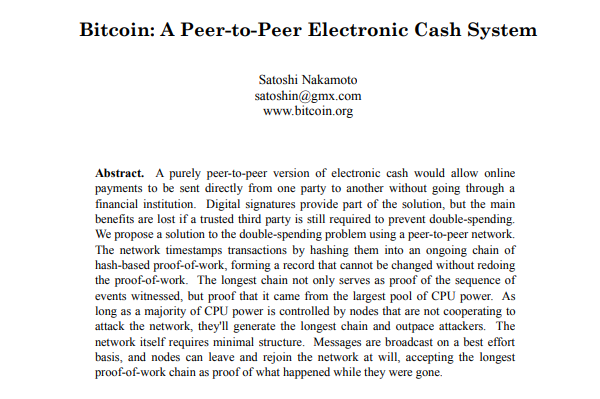
The idea of digital cash has been around for a while, but it became a reality in 2009 with the creation of Bitcoin. An anonymous person or group known as Satoshi Nakamoto released a white paper and the corresponding software. Bitcoin's key innovation was solving the "double-spending problem" without needing a trusted third party.
The double-spending problem is the risk that a digital currency can be spent twice. Since digital information can be easily copied, preventing this is a major challenge for any digital cash system.
Nakamoto's solution was a peer-to-peer network using a technology called the blockchain. This created the first decentralized digital currency, sparking a revolution that has since led to thousands of different cryptocurrencies.
How It All Works: Blockchain
Blockchain is the technology that makes most cryptocurrencies possible. At its core, a blockchain is a growing list of records, called blocks, that are linked together using cryptography.
Each block contains a cryptographic hash of the previous block, a timestamp, and transaction data. This design makes it incredibly resistant to modification. Once a block is added to the chain, changing its data would require altering all subsequent blocks, which is computationally impractical and requires the consensus of the network majority.
This public ledger of transactions is distributed across many computers, meaning no single person or entity has control. This decentralization is what makes the system transparent and secure. Transactions are added in new blocks by "miners," who use powerful computers to solve complex mathematical problems. As a reward for their work, they receive new cryptocurrency.
The Crypto Family
While Bitcoin was the first, it's far from the only cryptocurrency. Thousands of others have been created, each with different features and purposes. They generally fall into a few main categories.
| Type | Description | Examples |
|---|---|---|
| Bitcoin | The original cryptocurrency, often seen as a store of value like digital gold. | Bitcoin (BTC) |
| Altcoins | Any cryptocurrency other than Bitcoin. Many offer different features, like smart contracts. | Ethereum (ETH), Ripple (XRP) |
| Stablecoins | Cryptocurrencies designed to have a stable value by being pegged to a real-world asset. | Tether (USDT), USD Coin (USDC) |
Altcoins, short for "alternative coins," encompass a wide range of projects. Ethereum, for example, introduced the concept of smart contracts—self-executing contracts with the terms of the agreement directly written into code. This opened the door for decentralized applications (dApps) and the field of decentralized finance (DeFi).
Stablecoins were created to address the price volatility common in the crypto market. By tying their value to something stable like the U.S. dollar, they provide a more reliable medium of exchange and store of value within the crypto ecosystem.
What's It Used For?
Beyond being a speculative investment, cryptocurrencies have several real-world applications. Some people use them for fast, low-cost international payments, bypassing traditional banking systems. Others use dApps built on platforms like Ethereum for everything from gaming to lending and borrowing money without a middleman.
Projects are also exploring uses in supply chain management for tracking goods, in voting systems for secure elections, and in creating non-fungible tokens (NFTs) to represent ownership of digital art and collectibles. While the technology is still young, its potential applications are vast and continue to expand.
Ready to check your understanding?
What is the core technology that enables the decentralized nature of most cryptocurrencies?
Who is the anonymous person or group credited with creating Bitcoin?
That's a quick tour of the world of cryptocurrency. You now have a foundational understanding of what it is, where it came from, and how the underlying blockchain technology works.