Crypto Tech vs Hype
Introduction to Cryptocurrencies
A New Kind of Money
Before Bitcoin, the idea of digital money was mostly science fiction. There were attempts, of course. For decades, computer scientists and cryptographers tried to create a purely digital cash system. But they all ran into the same roadblock: the “double-spending problem.” How could you stop someone from spending the same digital dollar twice? Without a central authority like a bank to verify transactions, it seemed impossible.
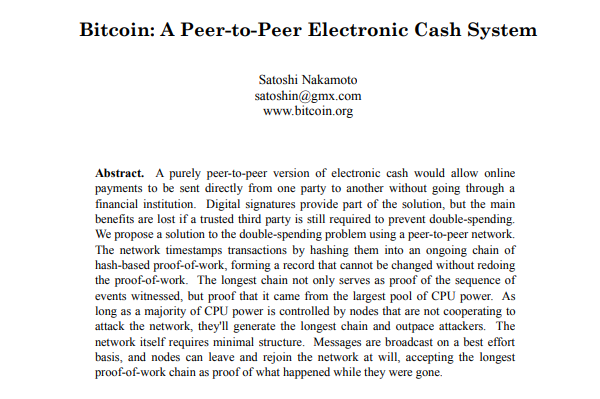
Then, in 2008, a person or group using the name Satoshi Nakamoto published a paper online. It was titled “Bitcoin: A Peer-to-Peer Electronic Cash System.” This paper solved the double-spending problem without needing a bank or any middleman. It proposed a new kind of currency, a cryptocurrency, that was secured by clever mathematics and a shared public record.
Bitcoin was the first successful cryptocurrency, launching in 2009. It wasn’t just a new technology; it was a new way of thinking about money. For the first time, people could send value directly to one another anywhere in the world, securely and without permission from any authority. This idea sparked a revolution, leading to the thousands of different cryptocurrencies we see today.
The Idea of Decentralization
Most systems we use daily are centralized. Think about your bank. A single company controls the servers, holds the ledger of all transactions, and has the final say on whether your payment goes through. They are the central authority. If their servers go down, you can't access your money. If they decide to freeze your account, you're stuck.
Decentralization
noun
The transfer of control and decision-making from a centralized entity (individual, organization, or group thereof) to a distributed network.
Cryptocurrencies work differently. They are built on decentralized networks. Instead of one company's computer holding the ledger, a copy of the ledger is shared and maintained by thousands of computers all over the world. There is no central point of control or failure.
This structure is powerful. It means no single person or group can control the currency, change the rules, or stop transactions. The power is distributed among the users. It's a system based on consensus, not authority.
The Blockchain Explained
So how does a decentralized network keep track of everything without a boss? The answer is the technology that underpins most cryptocurrencies: blockchain.
Blockchain is the foundational technology on which most cryptocurrencies are built.
Imagine a shared digital notebook that anyone on the network can see. When someone makes a transaction, it's written down on a new page in this notebook. After a certain number of transactions fill up the page, that page is added to the notebook and linked to the previous page using a special cryptographic seal. This page is called a block, and the notebook is the chain.
This creates a chain of blocks, each one cryptographically secured to the one before it, all the way back to the very first transaction. This is a blockchain. It’s a permanent, unchangeable record of every transaction that has ever occurred.
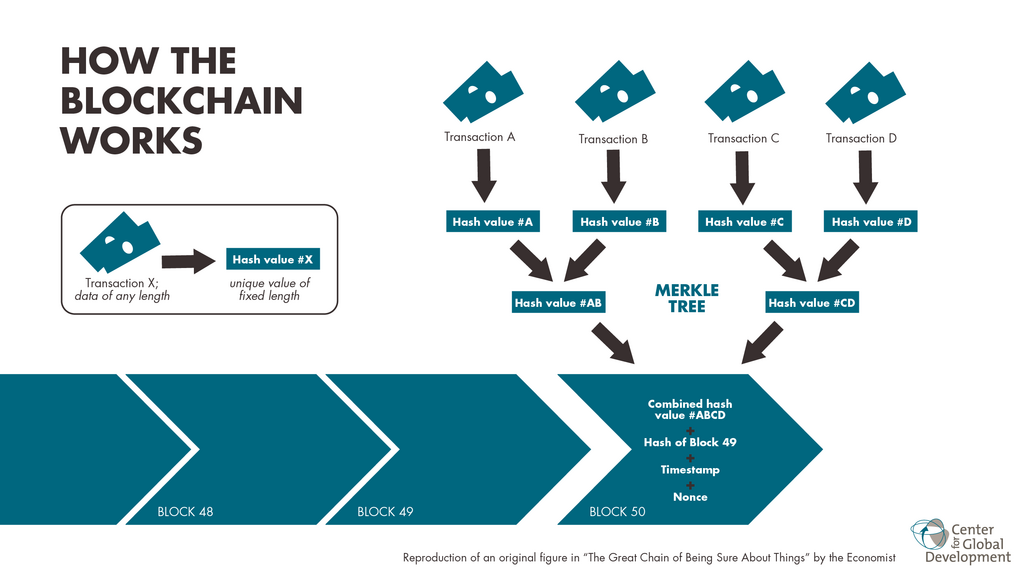
Because this digital notebook is copied and shared across thousands of computers, it's incredibly secure. To alter a past transaction, a hacker would need to change that block and every single block that came after it on thousands of computers simultaneously. It's practically impossible, which is what makes the blockchain so trustworthy without needing a bank to vouch for it.
Purpose and Use Cases
Beyond just being a new form of money, cryptocurrencies and the blockchain technology they're built on have many potential uses. The most basic is sending money. International transfers that might take days and cost high fees with a traditional bank can be done in minutes for a fraction of the cost with some cryptocurrencies.
This also opens up financial services to people who don't have access to traditional banks. All you need is a smartphone and an internet connection to participate in this global financial system. But the applications go even further, from creating digital contracts that execute automatically to building new, decentralized versions of applications and social networks.
Cryptocurrencies aim to create a financial system that is more open, global, and accessible to everyone.
These are the core ideas that started it all: a new type of digital money, secured by cryptography, run by a decentralized network of users, and recorded on a transparent, unchangeable blockchain.
Let's check your understanding of these foundational concepts.
What is the "double-spending problem" that early digital cash systems struggled to solve?
Which of the following is a key characteristic of a decentralized network as described in the context of cryptocurrencies?
Understanding these basics is the first step. With this foundation, you can begin to explore the vast and evolving world of cryptocurrency.