Crypto Tech vs. Hype
Introduction to Cryptocurrencies
What is Cryptocurrency?
Cryptocurrency is a type of digital or virtual money. Unlike the dollars or euros in your bank account, it doesn't exist in any physical form and isn't issued by a central authority like a government or bank. This decentralization is a core feature.
cryptocurrency
noun
A digital currency in which transactions are verified and records maintained by a decentralized system using cryptography, rather than by a centralized authority.
Instead of a bank keeping the ledger, a network of computers around the world maintains the record of all transactions. This shared ledger is known as a blockchain. Security is handled by cryptography, the science of encoding and decoding information, which makes the network extremely difficult to defraud. Transactions are typically public, so anyone can view them, but the identities of the participants are pseudonymous.

A Brief History
The story of cryptocurrency starts in 2008. An anonymous person or group using the name Satoshi Nakamoto published a paper online called "Bitcoin: A Peer-to-Peer Electronic Cash System." In early 2009, the software was released, and the Bitcoin network came into existence.
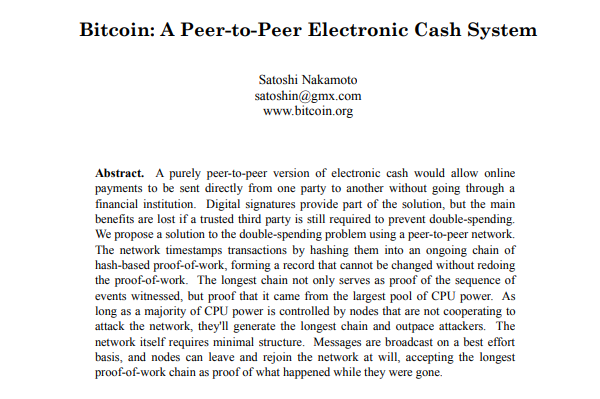
Bitcoin was the first successful decentralized digital currency. It solved a complex computer science problem called the "double-spending problem" without needing a trusted third party. For years, Bitcoin was the only player in town.
Then came the altcoins. Inspired by Bitcoin, other developers began creating their own cryptocurrencies. A major milestone was the launch of Ethereum in 2015. Ethereum introduced the concept of "smart contracts," which are self-executing contracts with the terms of the agreement directly written into code. This innovation opened the door for applications beyond simple currency, like decentralized finance (DeFi) and non-fungible tokens (NFTs). Today, thousands of different cryptocurrencies exist, each with unique features and goals.
The Technology Behind It
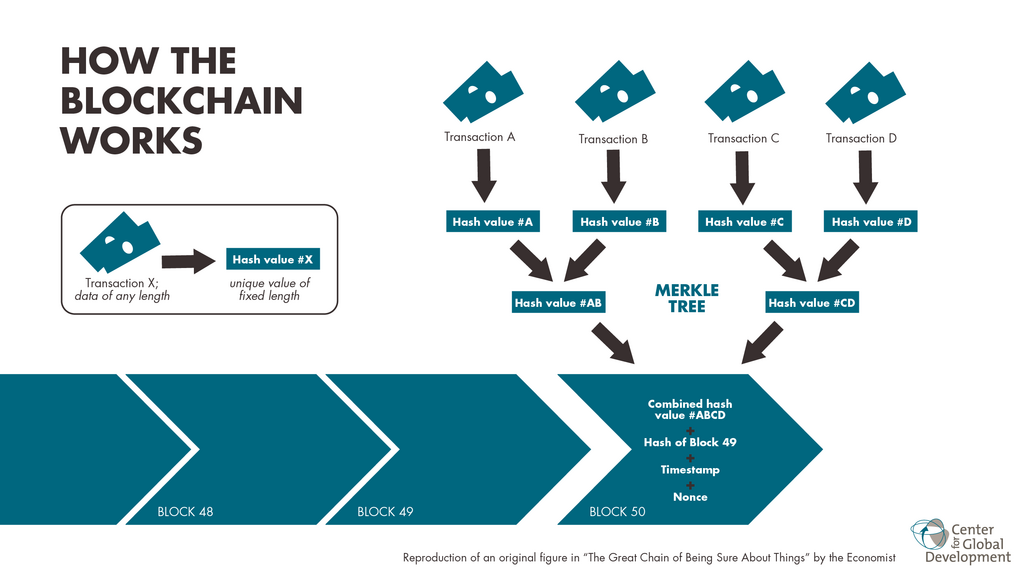
The foundational technology for most cryptocurrencies is the blockchain. Think of it as a special kind of digital notebook that is shared among many computers. When a transaction happens, it's recorded in a "block." Each new block is cryptographically linked to the one before it, forming a chronological chain.
Once a block is added to the blockchain, it's incredibly difficult to alter. This immutability is one of blockchain's key security features.
This chain isn't stored in one central place. Instead, a copy is distributed across a vast network of computers. This decentralization means no single person or group can control it, change the rules, or shut it down. For a new block to be added, the computers on the network must agree that its transactions are valid.
How The Network Agrees
With no central authority to approve transactions, how does a decentralized network prevent fraud? It uses a "consensus mechanism" to ensure all participants agree on the state of the ledger.
The two most common mechanisms are Proof of Work and Proof of Stake.
| Mechanism | How it Works | Analogy | Used By |
|---|---|---|---|
| Proof of Work (PoW) | Participants (miners) use powerful computers to solve complex mathematical puzzles. The first to solve it gets to add the next block and earns a reward. | A global race to solve a difficult math problem. | Bitcoin, Dogecoin |
| Proof of Stake (PoS) | Participants (validators) lock up or "stake" their own coins as collateral. The network chooses a validator to create the next block, often based on the size of their stake. | A lottery where your chances of winning are based on how many tickets you own. | Ethereum, Cardano |
Proof of Work is known for its robust security but is criticized for its high energy consumption. Proof of Stake was developed as a more energy-efficient alternative, as it doesn't require vast amounts of computational power. Both systems are designed to make it expensive and difficult for anyone to act dishonestly.
Meet the Major Players
While thousands of cryptocurrencies exist, a few dominate the landscape.
Bitcoin (BTC): The original cryptocurrency. Its main use case is as a decentralized store of value, often called "digital gold," and as a censorship-resistant medium of exchange.
Ethereum (ETH): The second-largest cryptocurrency. It's more than just a currency; it's a platform for running smart contracts and decentralized applications (dApps). It powers much of the DeFi and NFT space.
Ripple (XRP): A digital payment protocol designed for fast and low-cost international payments. It partners with financial institutions to improve cross-border transactions.
These are just a few examples. The world of cryptocurrency is vast and constantly evolving, with new projects emerging to tackle different problems.

Now that you understand the basics of what cryptocurrencies are and how they work, let's test your knowledge.
What is a core feature of most cryptocurrencies, distinguishing them from traditional currencies like the US Dollar?
Which cryptocurrency is credited with introducing the concept of "smart contracts," enabling applications like decentralized finance (DeFi) and NFTs?