Crypto Tech vs. Hype
Introduction to Cryptocurrencies
What is Cryptocurrency?
Cryptocurrency is a type of digital money. Unlike the dollars or euros in your bank account, it doesn't exist in a physical form like paper bills or metal coins. It's entirely virtual.
The "crypto" part comes from cryptography, which is the practice of secure communication. Every cryptocurrency transaction is secured using complex math problems, making them extremely difficult to forge or tamper with. This security is a core feature of how they work.
Another key difference is that most cryptocurrencies are decentralized. Traditional currencies, often called fiat currencies, are issued and controlled by a central authority like a government or a central bank. Cryptocurrencies, on the other hand, are typically managed by a distributed network of computers spread across the globe. No single person or group is in charge.
At its most basic level, a blockchain is a digital ledger maintained by a decentralized network of computers.
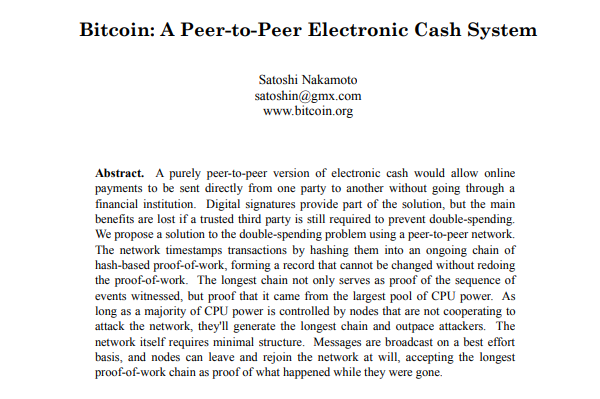
The idea of digital cash has been around for decades, but it wasn't until 2008 that it truly took shape. A person or group using the pseudonym Satoshi Nakamoto published a paper called "Bitcoin: A Peer-to-Peer Electronic Cash System." This paper laid out the framework for Bitcoin, the first decentralized cryptocurrency, which launched in 2009.
The Technology Behind It All
Cryptocurrencies are built on a technology called blockchain. Think of a blockchain as a digital record book, or ledger, that is shared among many computers. This ledger is made up of a growing list of records, called "blocks."
Each block contains a batch of recent transactions. Once a block is filled with transactions, it's linked to the previous block, forming a chain. This is where the name "blockchain" comes from. Each new block contains a cryptographic reference to the one before it, which ensures the chain is secure and cannot be altered.
This structure gives blockchain some powerful properties:
- Decentralization: The ledger is copied and spread across a network of computers. There's no single point of failure or control.
- Transparency: While user identities can be pseudonymous, the transactions themselves are often public. Anyone can view the ledger to see that a transaction has occurred.
- Immutability: Once a transaction is added to the blockchain, it's incredibly difficult to change or remove. This creates a permanent and trustworthy record.
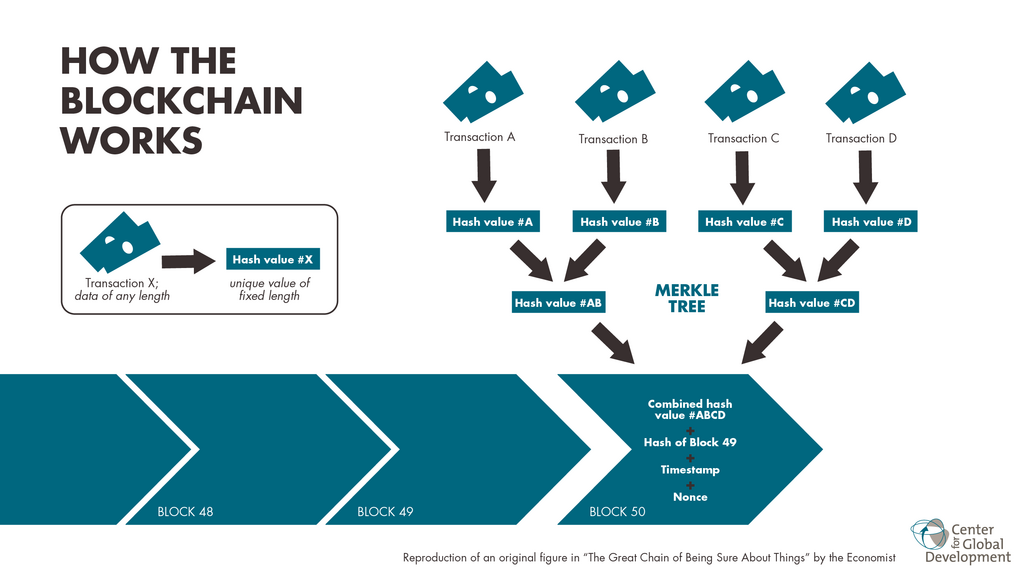
When you want to send cryptocurrency to someone, you use a digital wallet to create and sign a transaction with your unique private key. This transaction is then broadcast to the entire network. Special computers on the network, sometimes called "miners" or "validators," gather up recent transactions and compete to add them as a new block to the chain. The first one to solve a complex mathematical puzzle gets to add the block and is often rewarded with a small amount of new cryptocurrency. This process confirms the transaction and makes it a permanent part of the ledger.
Different Kinds of Crypto
While Bitcoin was the first, thousands of other cryptocurrencies have been created since. They can generally be grouped into a few categories.
Bitcoin
noun
The first and most well-known cryptocurrency. It was created as a decentralized, peer-to-peer electronic cash system.
Altcoins: This is short for "alternative coins," and it refers to any cryptocurrency other than Bitcoin. Some altcoins are slight variations of Bitcoin, while others are built from scratch with different goals. Ethereum (ETH) is a famous altcoin that introduced the concept of "smart contracts," which are self-executing contracts with the terms of the agreement directly written into code.
Stablecoins: Most cryptocurrencies are volatile, meaning their prices can swing wildly. Stablecoins are designed to solve this problem. Their value is pegged to a more stable asset, like the U.S. dollar or gold. This makes them more suitable for everyday transactions, as their value remains relatively constant.
| Category | Primary Goal | Example |
|---|---|---|
| Bitcoin | Peer-to-peer digital cash | Bitcoin (BTC) |
| Altcoins | Varies; often improves on Bitcoin or offers new features | Ethereum (ETH), Litecoin (LTC) |
| Stablecoins | Maintain a stable value by pegging to another asset | Tether (USDT), USD Coin (USDC) |

Crypto's Role in Finance
Cryptocurrencies are still a relatively new technology, but they've already begun to change the financial world. They offer a way to transfer value directly between two people anywhere in the world, without needing a bank or financial institution to act as a middleman. This can make transactions faster and cheaper, especially across borders.
They also open up financial services to people who may not have access to traditional banking. This emerging field, known as Decentralized Finance (DeFi), aims to build a new, open financial system using blockchain technology.
However, it's also a world with unique challenges. The value of many cryptocurrencies can change dramatically in a short time, making them risky as investments. The decentralized and often anonymous nature of crypto also attracts misuse, and scams are a real concern.
Ensure to orient them on certain limitations of cryptocurrency, which include high volatility, crypto scams, and other crypto-related risks.
As the technology evolves, governments and financial institutions around the world are still figuring out how to approach cryptocurrencies, from regulation to integration. Their role in the global economy is a story that's still being written.
Let's review the key concepts we've covered.
What is the primary characteristic that distinguishes most cryptocurrencies from traditional fiat currencies like the U.S. Dollar?
The underlying technology that records and verifies transactions for cryptocurrencies like Bitcoin is called a ________.