Crypto Tech vs Hype
Introduction to Cryptocurrencies
What Is Cryptocurrency?
Cryptocurrency is a form of digital money. Unlike the dollars in your bank account, it doesn't exist in a physical form. It's secured using cryptography, which makes it extremely difficult to counterfeit or spend the same digital coin twice.
Cryptography
noun
The art of writing or solving codes. In cryptocurrency, it's used to secure transactions and control the creation of new units.
The key feature of most cryptocurrencies is decentralization. They aren't controlled by any single entity, like a government or a bank. Instead, they operate on a network of computers spread across the globe. This structure gives them a unique kind of independence.

A Brief History
The idea of a digital currency has been around since the early days of the internet. But it wasn't until 2009 that the world saw the first successful cryptocurrency: Bitcoin.
It was introduced by a person or group using the pseudonym Satoshi Nakamoto. Nakamoto published a document, often called a white paper, that outlined a system for a "peer-to-peer electronic cash system." The goal was to create a way to send money directly between people online, without needing a bank or financial institution as a middleman.
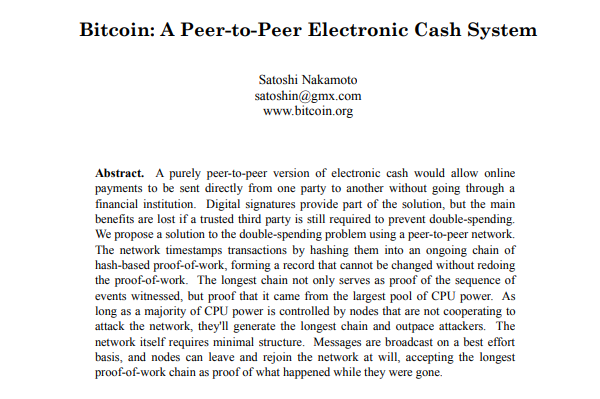
Bitcoin solved a major challenge for digital money called the "double-spending problem." Before Bitcoin, it was hard to ensure that someone couldn't spend the same digital coin more than once. Nakamoto's invention made this possible in a decentralized way for the first time.
The Magic of Blockchain
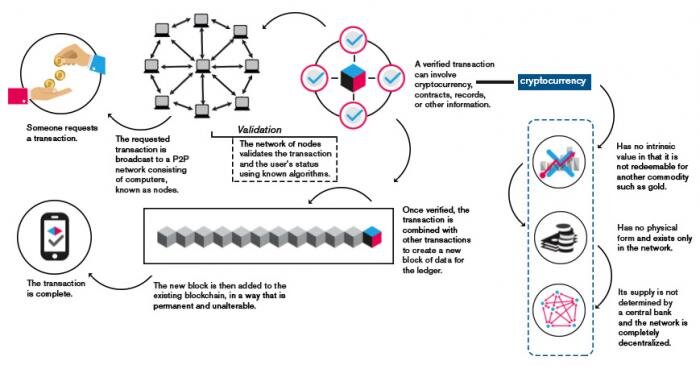
The technology that makes cryptocurrencies like Bitcoin work is called blockchain. You can think of it as a shared, public digital ledger or a record book that everyone on the network can see. It's like a long receipt of every transaction ever made.
Blockchain is the foundational technology on which most cryptocurrencies are built.
Transactions are grouped together into "blocks." Once a block is filled, it's cryptographically linked to the previous one, forming a "chain." This creates a chronological and unchangeable record.
This structure gives blockchain three important properties:
- Decentralization: The ledger is copied and spread across many computers, so no single person or group controls it.
- Transparency: Anyone can view the transactions on the blockchain, though the identities of the participants are typically pseudonymous.
- Immutability: Once a transaction is added to the blockchain, it's incredibly difficult to alter or remove it.
Beyond Bitcoin
Bitcoin was the pioneer, but it opened the floodgates for thousands of other cryptocurrencies. These are often categorized into a few main types.
| Type | Description |
|---|---|
| Bitcoin | The original cryptocurrency, often seen as a store of value, similar to digital gold. |
| Altcoins | Short for "alternative coins," these are cryptocurrencies other than Bitcoin. Examples include Litecoin, which aimed for faster transactions, and Ripple (XRP), which focuses on bank settlements. |
| Tokens | These are digital assets built on top of an existing blockchain, most commonly Ethereum. They don't have their own blockchain but represent a utility or an asset within a specific project or application. |
One of the most significant altcoins is Ethereum. It introduced the concept of "smart contracts," which are self-executing contracts with the terms of the agreement written directly into code. This innovation opened up a world of new possibilities, allowing developers to build decentralized applications (dApps) for everything from finance to gaming on the blockchain.

Cryptocurrencies have a wide range of applications. They can be used for fast, low-cost international payments, enabling financial services for people without access to traditional banks, and creating new kinds of digital economies within online games and virtual worlds. The technology is still young, and new uses are being explored every day.
Now, let's test your understanding of these core concepts.
What is the key feature that distinguishes most cryptocurrencies from traditional, government-issued currencies?
The technology that underpins cryptocurrencies like Bitcoin is called the blockchain. What are its three core properties?