Crypto Tech vs Hype
Introduction to Cryptocurrencies
What Is Cryptocurrency?
At its heart, a cryptocurrency is digital money. Think of it like the dollars or euros you use every day, but instead of existing as paper bills or metal coins, it exists only as data on a computer network. Unlike traditional money, which is controlled by banks and governments, cryptocurrencies are decentralized. This means no single person or group is in charge.
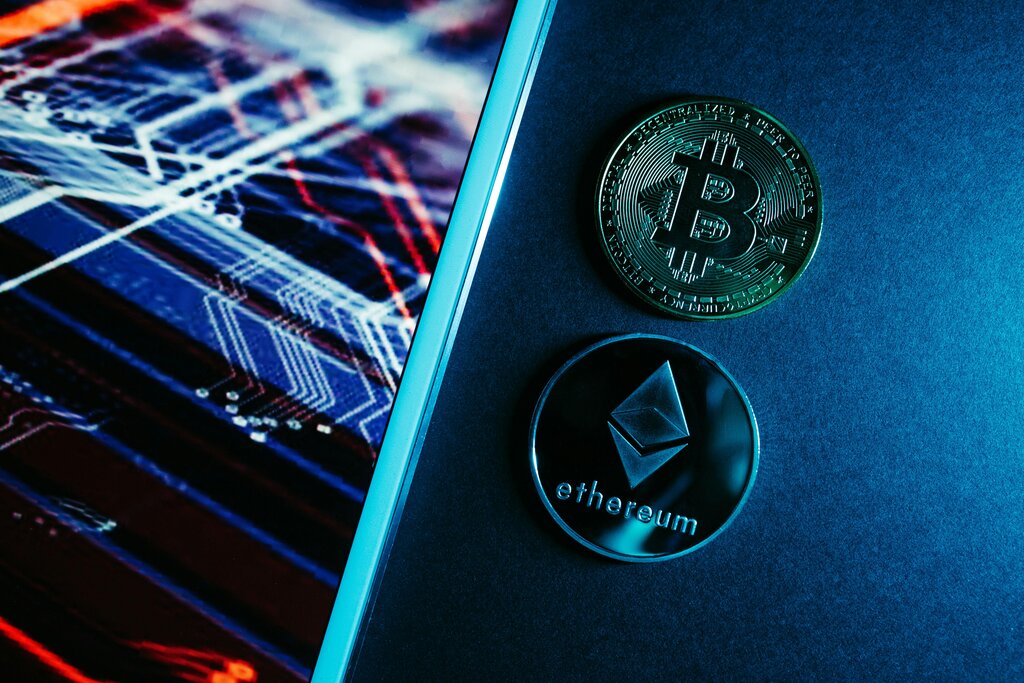
This new form of money is made possible by a technology called the blockchain. Every transaction is recorded on a shared public ledger, much like a giant, collective checkbook that everyone can see but no one can alter.
How Blockchain Works
Imagine a digital notebook that is shared among many people. Every time someone makes a transaction, a new entry is added to the notebook. This entry is a "block."
Each new block is cryptographically linked to the one before it, forming a "chain." This chain is distributed across thousands of computers worldwide, making it incredibly secure. To change a single block, you would have to alter every block that came after it on thousands of computers simultaneously, which is practically impossible. This structure is what makes the blockchain so transparent and tamper-proof.
This decentralized and transparent nature gives cryptocurrencies some unique characteristics:
- Decentralization: They operate without a central authority like a bank. This puts you in control of your own money.
- Transparency: Most cryptocurrency transactions are recorded on a public ledger, the blockchain, so they can be viewed by anyone.
- Security: Cryptography secures the network and the transactions, making it difficult to counterfeit or double-spend.
A Brief History
The idea of digital cash isn't new, but previous attempts failed because they couldn't solve the "double-spending problem"—how to stop someone from spending the same digital coin twice without a central bank to verify transactions.
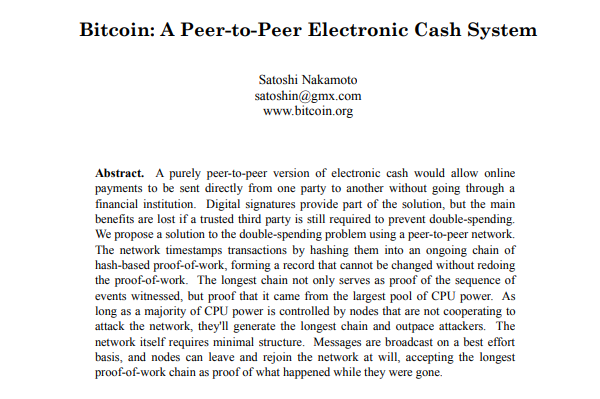
Everything changed in 2008 when a person or group using the name Satoshi Nakamoto published a paper titled "Bitcoin: A Peer-to-Peer Electronic Cash System." This paper outlined a new system that used a distributed ledger (the blockchain) to solve the double-spending problem.
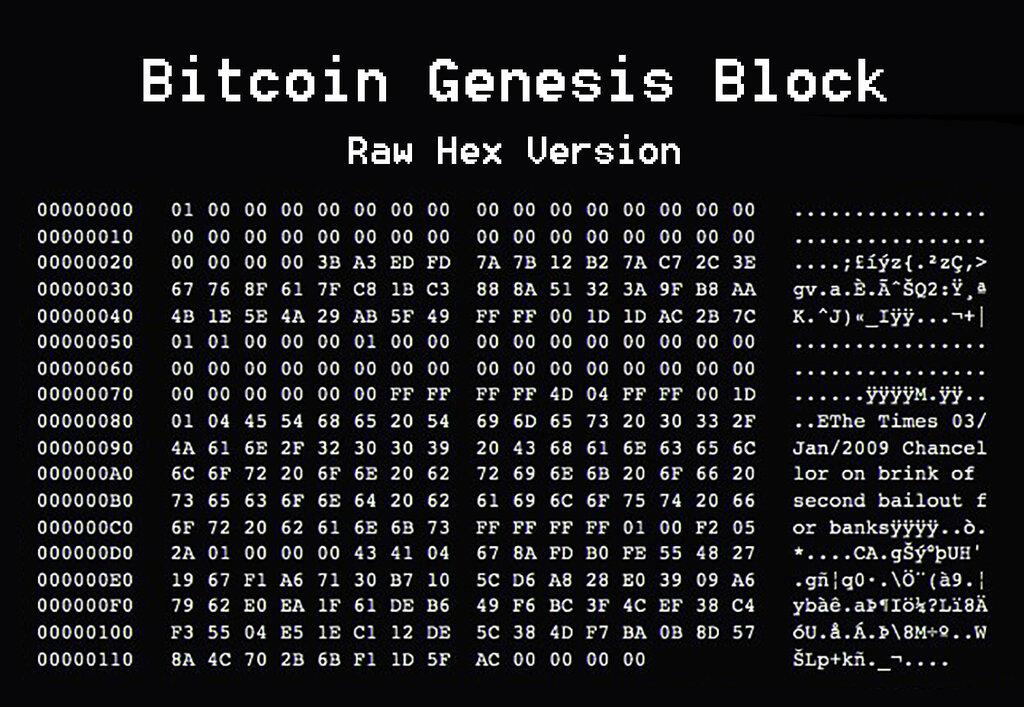
In January 2009, the Bitcoin network came into existence with the mining of the first block, known as the "genesis block." Embedded in this block was a headline from The Times newspaper: "The Times 03/Jan/2009 Chancellor on brink of second bailout for banks." This was seen as a comment on the instability of the traditional financial system that Bitcoin was designed to improve upon.
Meet the Big Players
While thousands of cryptocurrencies exist today, two stand out.
Bitcoin (BTC): The first and most well-known cryptocurrency. It was created to be a peer-to-peer electronic cash system, allowing online payments to be sent directly from one party to another without going through a financial institution.
Ethereum (ETH): Launched in 2015, Ethereum is more than just a digital currency. It's a decentralized platform that runs "smart contracts": applications that run exactly as programmed without any possibility of downtime, censorship, fraud, or third-party interference. This has enabled a whole new world of decentralized applications (dApps), from financial services to games.
Think of it this way: Bitcoin is like digital gold—a store of value and a medium of exchange. Ethereum is more like a global computer that anyone can build on.
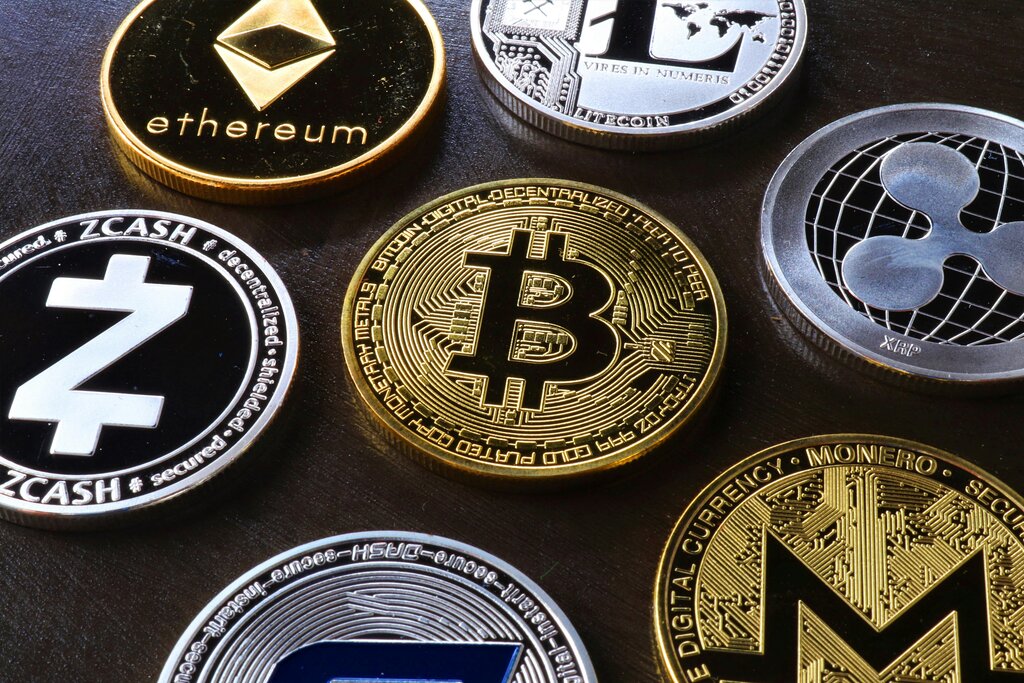
These two giants paved the way for thousands of other cryptocurrencies, often called "altcoins." Each one tries to improve upon the original concept or serve a specific niche, but they all share the core principles of decentralization and cryptographic security.
Now, let's check your understanding of these core concepts.
What is the core technology that underpins most cryptocurrencies, functioning as a distributed public ledger?
What major problem, which plagued earlier forms of digital cash, did the blockchain solve?
Understanding these fundamentals is the first step into the world of digital currencies. You now have a solid foundation for exploring how these technologies are changing the way we think about money and finance.