Crypto Tech vs Hype
Introduction to Cryptocurrencies
What Is Cryptocurrency?
At its core, a cryptocurrency is a form of digital or virtual money. What makes it unique is the 'crypto' part. Cryptocurrencies use cryptography—a way of protecting information using complex math problems—to secure transactions. This makes them incredibly difficult to counterfeit.
Unlike the money in your bank account, which is managed by a central bank or government, most cryptocurrencies are decentralized. This means they aren't controlled by any single entity. Instead, transactions are recorded and verified by a network of computers spread across the globe.
cryptocurrency
noun
A digital or virtual currency that uses cryptography for security, making it difficult to counterfeit.

A Brief History
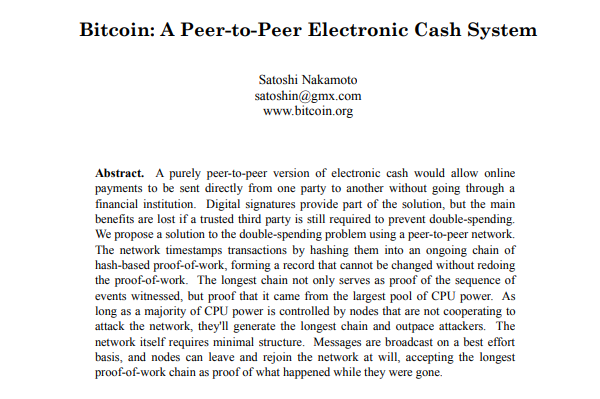
The idea of a digital currency isn't new, but it wasn't until 2008 that a real solution emerged. A person or group using the name Satoshi Nakamoto published a whitepaper called "Bitcoin: A Peer-to-Peer Electronic Cash System." This paper solved a major problem for digital money: the double-spending problem. Without a central authority like a bank to check, how do you stop someone from spending the same digital dollar twice?
Nakamoto's solution was a technology that would change everything: the blockchain.
On January 3, 2009, the Bitcoin network came into existence with the mining of the very first block, known as the Genesis Block. Embedded in this block's data was a headline from The Times newspaper: "Chancellor on brink of second bailout for banks." This was seen by many as a comment on the instability of the traditional financial system that Bitcoin was designed to be an alternative to.
The Magic Behind It: Blockchain
Blockchain is the technology that makes most cryptocurrencies possible. You can think of it like a special kind of digital notebook that is shared among many computers. Each page in the notebook is called a 'block', and it contains a list of transactions.
Blockchain is the foundational technology on which most cryptocurrencies are built.
Once a block is filled with transactions, it's 'chained' to the previous block, creating a timeline of all transactions. This chain is secured with cryptography. Because the notebook is distributed across a vast network, it's incredibly difficult for anyone to tamper with the records. To change one block, a hacker would have to change every single block that came after it on thousands of computers simultaneously. This is what makes a blockchain so secure and transparent.
More Than Just Bitcoin
Bitcoin paved the way, but thousands of other cryptocurrencies have been created since. These are often called 'altcoins,' short for alternative coins.
Some altcoins are just variations of Bitcoin, designed to be faster or more private. Others are completely different. The most well-known altcoin is Ethereum. It introduced a groundbreaking concept called smart contracts. These are programs stored on a blockchain that run when predetermined conditions are met, automating agreements without needing a middleman.
Beyond coins, there are also tokens. While a coin like Bitcoin or Ethereum runs on its own blockchain, a token is built on top of an existing blockchain, most commonly Ethereum. Tokens can represent anything from a stake in a project to a digital collectible.
| Feature | Coin (e.g., Bitcoin, Ethereum) | Token (e.g., UNI, LINK) |
|---|---|---|
| Blockchain | Operates on its own native blockchain. | Built on top of an existing blockchain. |
| Purpose | Primarily acts as money or a store of value. | Can represent assets, utility, or governance. |
| Creation | Created through mining or staking on its own network. | Issued through a smart contract on a platform like Ethereum. |
Crypto's Role in Finance
Cryptocurrencies are playing an increasingly interesting role in the global financial system. For some, they represent the future of money—a faster, cheaper, and more inclusive way to send payments across borders without relying on banks.
This has led to the rise of Decentralized Finance, or DeFi. DeFi aims to rebuild traditional financial services like lending, borrowing, and trading on the blockchain, making them open to anyone with an internet connection.
Others see cryptocurrencies, particularly Bitcoin, as a 'store of value' similar to digital gold—an asset that can protect wealth from inflation or economic instability. Of course, the space is still new and faces challenges like price volatility and an evolving regulatory landscape. Understanding these basics is the first step to navigating this new financial frontier.