Crypto Tech vs. Hype
Introduction to Cryptocurrencies
What Is Cryptocurrency?
At its core, a cryptocurrency is digital money. Unlike the dollars or euros in your bank account, it doesn't exist in a physical form. It's purely virtual, secured by a powerful type of coding called cryptography.
cryptography
noun
The art of writing or solving codes. In cryptocurrency, it's used to secure transactions and control the creation of new units.
The most important feature of most cryptocurrencies is that they are decentralized. No single bank, company, or government controls them. Instead, they run on a global network of computers, making them open and accessible to anyone with an internet connection. This structure means you can send funds directly to another person without an intermediary like a bank.
Think of it like sending a digital IOU that is copied and verified by thousands of people at once, making it nearly impossible to fake or spend twice.
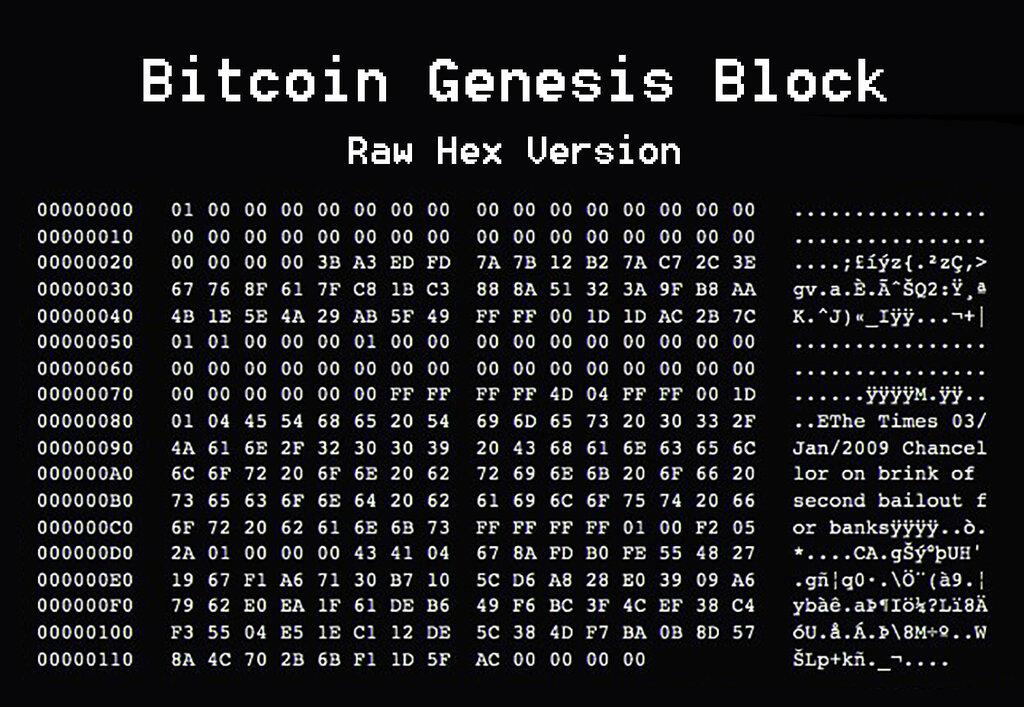
The story of cryptocurrency begins in 2009 with the launch of Bitcoin. Created by a mysterious person or group known as Satoshi Nakamoto, Bitcoin was the first decentralized digital currency. It introduced a new way of thinking about money and technology, paving the way for the thousands of cryptocurrencies that have followed.
The Technology Behind the Coins
So how does it all work without a bank to keep track of everything? The answer is a technology called blockchain.
Blockchain is the foundational technology on which most cryptocurrencies are built.
Imagine a shared digital notebook that is distributed across countless computers worldwide. Every time someone makes a transaction, it's recorded as a new entry in the notebook. These transactions are grouped together into 'blocks'. Each new block is then mathematically linked to the previous one, forming a 'chain'.
This linking process uses a unique digital fingerprint, or 'hash', for each block. A block's hash is created from the transaction data inside it, plus the hash of the block that came before it. This structure makes the blockchain incredibly secure. If someone tried to alter a transaction in an old block, its hash would change, which would break the link to all subsequent blocks. The discrepancy would be immediately obvious to everyone else on the network.
Because this digital notebook is public and shared by everyone, it's transparent. And because it's not stored in one place, there is no single point of failure, making it very resilient.
More Than Just Bitcoin
While Bitcoin started it all, the crypto world has expanded dramatically. Today, there are thousands of different cryptocurrencies, which can be broadly categorized.
| Category | Description | Examples |
|---|---|---|
| Bitcoin | The first and most well-known cryptocurrency. Often seen as a store of value, like digital gold. | Bitcoin (BTC) |
| Altcoins | Stands for 'alternative coins'. This includes any cryptocurrency other than Bitcoin. | Ethereum (ETH), Ripple (XRP), Solana (SOL) |
| Stablecoins | Designed to have a stable value by being pegged to another asset, like the US dollar. | Tether (USDT), USD Coin (USDC) |
Altcoins often aim to improve upon Bitcoin's design or serve different purposes. Ethereum, for example, introduced 'smart contracts', which are self-executing contracts with the terms of the agreement directly written into code. This opened the door for applications beyond simple currency.
Stablecoins were created to solve the problem of price volatility. Because their value is tied to a real-world asset, they offer the benefits of crypto—fast, global transactions—without the dramatic price swings common to Bitcoin and many altcoins.

What Is Crypto Used For?
Cryptocurrencies have a growing number of uses. The most basic one is as a means of exchange, allowing for fast, low-cost international payments without needing a bank to process the transaction. This is especially useful in countries with unstable traditional currencies.
Many people also use crypto as an investment, hoping its value will increase over time. This is similar to investing in stocks or commodities, but it comes with a high degree of risk due to market volatility.
Beyond finance, the underlying blockchain technology is being explored for many other applications. These include supply chain management to track goods from origin to destination, secure voting systems, and creating unique digital assets called Non-Fungible Tokens (NFTs).
From sending money across borders to building new kinds of applications, the use cases for cryptocurrencies and blockchain are constantly evolving.
Now that you understand the basics, let's test your knowledge.
What is the primary characteristic that distinguishes most cryptocurrencies from traditional government-issued currencies?
How does blockchain technology maintain a secure and tamper-resistant ledger?
This introduction covers the foundational concepts of what cryptocurrencies are and how they work. Understanding these building blocks is the first step to navigating this new digital landscape.