Crypto Tech vs Hype
Introduction to Cryptocurrencies
What Is Cryptocurrency?
Think of cryptocurrency as digital money. It doesn't exist in a physical form like coins or bills. Instead, it's a type of currency that exists only in the digital world. The 'crypto' part comes from cryptography, the practice of secure communication, which is used to protect transactions and control the creation of new units.
Unlike the money in your bank account, which is managed by a financial institution, cryptocurrencies are designed to be independent of any central authority.
The main purpose of many cryptocurrencies, starting with Bitcoin in 2009, was to create a peer-to-peer electronic cash system. This would allow people to send money directly to each other online without needing a bank or payment processor. Over time, the uses have expanded, and now they function as investments, a way to power applications, and more.

The Blockchain Backbone
Blockchain is the foundational technology on which most cryptocurrencies are built.
Imagine a shared digital notebook that's duplicated and spread across thousands of computers. This notebook is called a blockchain. Each page in the notebook is a 'block,' and it contains a list of transactions. When a block is full, it's added to the end of the notebook, creating a 'chain' of blocks.
Once a transaction is recorded on a block and that block is added to the chain, it's extremely difficult to alter. Each new block reinforces the security of the previous ones. This permanent and unchangeable record is what makes the blockchain so secure.
No One In Charge
A key feature of most cryptocurrencies is decentralization. In a traditional financial system, a central authority like a bank or government controls your money. They maintain the ledger, verify transactions, and can freeze your account.
Cryptocurrencies operate on a decentralized network. This means there's no single person or entity in control. Instead, the power is distributed among all the users on the network. Everyone has a copy of the blockchain ledger, and they work together to verify and add new transactions.
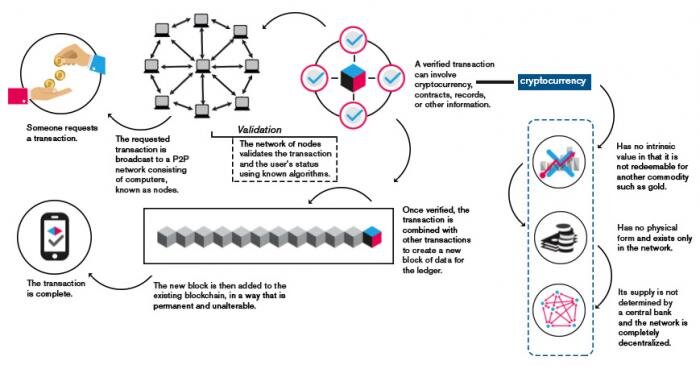
This structure makes the system more resilient. There's no central point of failure that can be attacked or shut down. It also makes transactions censorship-resistant, meaning no single entity can block or reverse a transaction they don't like.
Crypto's Role in the Financial System
Cryptocurrencies are often seen as a new type of digital asset. Like stocks or gold, their value can fluctuate, and people buy them hoping their value will increase. However, their role is broader than just speculation.
They offer an alternative to traditional financial services. For people in countries with unstable currencies, cryptocurrencies can be a store of value. For others, they provide a way to send money across borders quickly and with potentially lower fees than traditional methods. They are also paving the way for new financial applications and services, from lending platforms to new forms of digital ownership.
Now, let's test your understanding of these fundamental concepts.
The "crypto" in cryptocurrency refers to the use of what to secure transactions?
What is the primary function of a blockchain in cryptocurrency?
Understanding these basics is the first step. You now have a foundation for exploring the purpose and technology behind different cryptocurrency projects.