Crypto Tech vs. Hype
Introduction to Cryptocurrencies
What Is Cryptocurrency?
At its heart, a cryptocurrency is digital money. It exists only in computers and on the internet. Unlike the dollars or euros in your bank account, there’s no central authority like a bank or government controlling it.
Instead, cryptocurrencies use cryptography to secure transactions. This makes them incredibly difficult to counterfeit. This core feature is what puts the “crypto” in cryptocurrency.
Cryptography
noun
The art of writing or solving codes. In cryptocurrency, it's used to secure transactions and control the creation of new units.
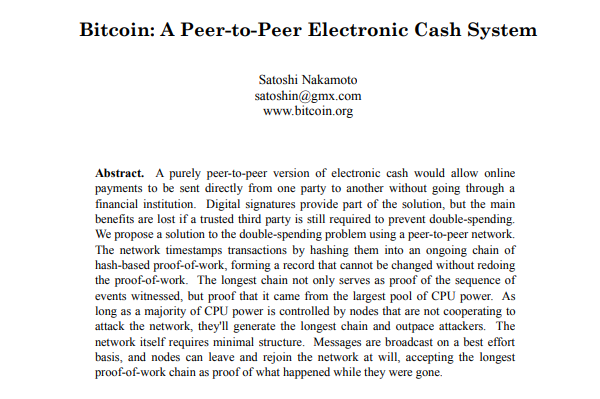
The idea of digital cash has been around for a while, but it became a reality in 2009 with the creation of Bitcoin. It was introduced by a person or group known as Satoshi Nakamoto, whose true identity remains a mystery. Bitcoin was launched in the wake of the 2008 financial crisis, offering a way to exchange value peer-to-peer, without needing a trusted third party like a bank.
The Technology Behind It
Cryptocurrencies are powered by a technology called blockchain. You can think of a blockchain as a shared digital ledger or a notebook that is duplicated and spread across an entire network of computers. When a transaction happens, it's recorded in a “block.”
Each new block is then chained to the previous one, creating a chronological chain of transactions. This chain is what gives it the name “blockchain.”
Because this ledger is distributed across many computers, it’s decentralized. No single person or entity owns it, and everyone on the network has a copy. This makes it transparent and very difficult to alter.
To change a transaction, a hacker would need to alter the block the transaction is in, as well as all the blocks that came after it, across a majority of the computers in the network, all at the same time. It's a nearly impossible task.
Types of Crypto
While Bitcoin was the first, thousands of other cryptocurrencies have been created. They generally fall into a few categories.
| Category | Description | Example(s) |
|---|---|---|
| Bitcoin | The original cryptocurrency. It's the most well-known and often seen as a digital store of value, similar to gold. | BTC |
| Altcoins | Short for 'alternative coins,' this category includes any cryptocurrency that isn't Bitcoin. Many aim to improve on Bitcoin's design. | Ethereum (ETH), Litecoin (LTC) |
| Stablecoins | These are cryptocurrencies designed to have a stable value by pegging them to an external asset, like the U.S. dollar or gold. | Tether (USDT), USD Coin (USDC) |
Altcoins often serve different purposes. Ethereum, for example, introduced the idea of “smart contracts,” which are self-executing contracts with the terms of the agreement written directly into code. This opened the door for applications beyond simple transactions.
What Is It Used For?
The applications for cryptocurrencies are constantly evolving. At their most basic, they can be used to send money to anyone in the world without going through a bank.
But the technology has enabled much more:
- Decentralized Finance (DeFi): Financial services built on blockchains that operate without traditional intermediaries. Think lending, borrowing, and trading, all done peer-to-peer.
- Non-Fungible Tokens (NFTs): Unique digital assets that represent ownership of items like art, music, or collectibles. They are verified using blockchain technology.
- Store of Value: Some people buy and hold cryptocurrencies like Bitcoin as an investment, hoping their value will increase over time.
Understanding these fundamentals is the first step. It provides the base knowledge needed to explore how different projects work and what problems they aim to solve.