Crypto Tech vs Hype
Introduction to Cryptocurrencies
What Is Cryptocurrency?
Cryptocurrency is a type of digital or virtual money. Think of it like the dollars, euros, or yen in your bank account, but with a few key differences. First, it only exists in digital form. There are no crypto bills or physical coins you can carry in your pocket, though you might see pictures of them.
Second, it's secured by cryptography, which is a way of protecting information using complex codes. This makes transactions incredibly difficult to fake or alter. Finally, most cryptocurrencies are decentralized. This means they aren't controlled by any single entity, like a government or a bank. Instead, they run on a network of computers spread all over the world.

This decentralized nature is what makes crypto unique. Transactions are recorded on a shared public ledger that anyone can view. It offers a way to send value directly from one person to another, anywhere in the world, without needing a middleman.
A Quick History
The idea of digital cash isn't new. It was explored for decades, but early attempts always ran into a critical problem: double-spending. How do you stop someone from spending the same digital dollar twice without a central authority like a bank to verify everything?
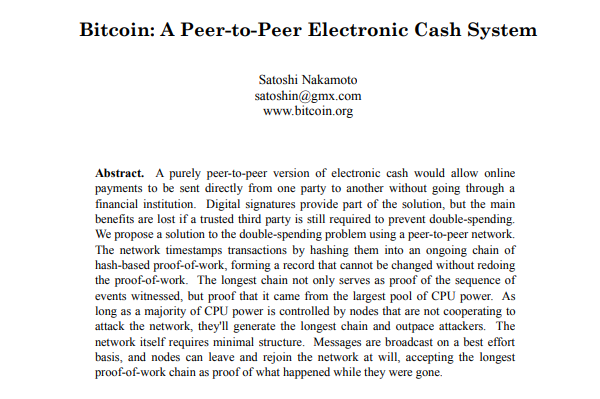
This changed in 2008. A person or group using the name Satoshi Nakamoto published a paper titled "Bitcoin: A Peer-to-Peer Electronic Cash System." It proposed a revolutionary solution to the double-spending problem using a technology called blockchain.
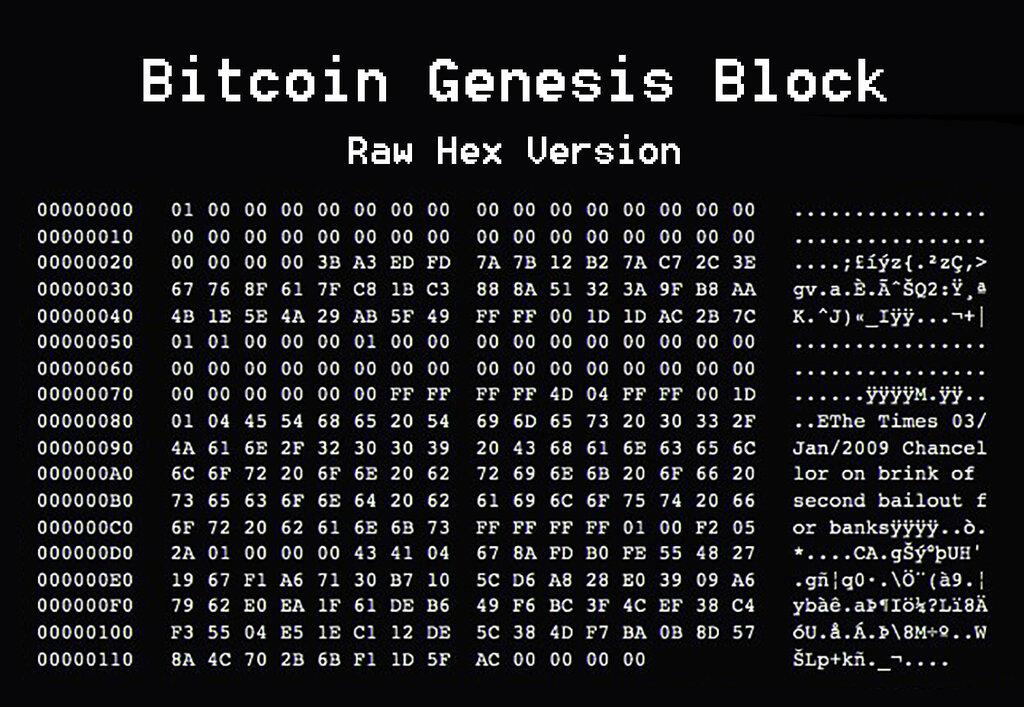
In January 2009, the Bitcoin network came to life. The first block of transactions, known as the "Genesis Block," was created. Nakamoto embedded a headline from The Times newspaper into this block: "The Times 03/Jan/2009 Chancellor on brink of second bailout for banks." This was seen as a commentary on the instability of the traditional financial system.
For a few years, Bitcoin was a niche interest for cryptographers and tech enthusiasts. But as more people recognized its potential, other cryptocurrencies, often called "altcoins," began to appear. Ethereum, launched in 2015, was a major milestone. It introduced the idea of "smart contracts," which are self-executing contracts with the terms of the agreement directly written into code. This opened up a whole new world of possibilities beyond just digital money.
How It Works: Blockchain
The technology that makes cryptocurrency possible is the blockchain. At its core, a blockchain is a digital ledger, like a notebook for recording transactions. But instead of being held by one person or company, this notebook is distributed across thousands of computers worldwide.
This ledger is made up of a growing list of records, called "blocks." Each block contains a batch of recent transactions. Once a block is filled with transactions, it's added to the chain.
A blockchain is a chain of blocks, and each block is a collection of transactions.
Here’s what makes it so secure. Each new block is cryptographically linked to the one before it. It contains a unique code, called a hash, which acts like a digital fingerprint. This hash is generated based on the data inside the block. Crucially, each new block also includes the hash of the previous block. This creates a strong, unbreakable chain.
If a hacker tried to alter a transaction in an old block, the hash of that block would change completely. Because the next block contains the original hash, this change would instantly break the chain. All subsequent blocks would become invalid.
To make a fraudulent change stick, a hacker would need to redo all the complex calculations for that block and every single block that came after it, across thousands of computers on the network, all at the same time. This is practically impossible, which is why blockchain ledgers are considered immutable, or unchangeable.
Ready to check your understanding? Let's see what you've learned.
What is the primary characteristic that distinguishes most cryptocurrencies from traditional government-issued currencies?
The critical "double-spending" problem that early digital cash systems faced was solved by a technology called _______.
That covers the fundamentals of what cryptocurrencies are and the blockchain technology that powers them. It's a system built on cryptography and decentralization to create a secure, peer-to-peer way of exchanging value.