Crypto Tech vs Hype
Introduction to Cryptocurrencies
What Is Cryptocurrency?
At its heart, a cryptocurrency is digital money. It’s a form of currency that exists only in the digital world, with no physical coins or bills. What makes it special is the use of cryptography to secure transactions, making them incredibly difficult to fake or alter.
Cryptocurrency is a digital or virtual form of money that relies on cryptographic technology to secure transactions, control the creation of new units, and verify transfers.
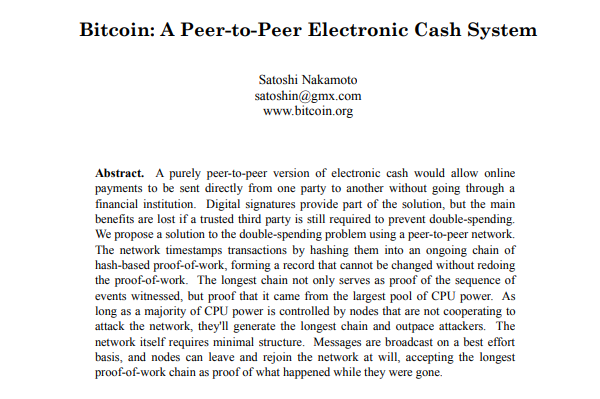
The story begins in 2008 when a person or group using the name Satoshi Nakamoto published a paper called "Bitcoin: A Peer-to-Peer Electronic Cash System." This paper laid out the blueprint for a new kind of money that didn't need banks or governments to work. In early 2009, Bitcoin, the first cryptocurrency, was born.
The key idea was decentralization. Instead of a central authority like a bank keeping track of all the money, a network of computers around the world would maintain the records. This means no single entity can control it, freeze your account, or block a payment. It's a system run by its users, for its users.
The Blockchain Backbone
So how does a decentralized system keep track of everything without getting messy? The answer is a clever technology called blockchain. Think of it as a public digital notebook that anyone can see but no one can change once a page is written.
This notebook is made up of a series of "blocks," and each block contains a list of transactions. When a block is full, it's added to the end of the previous one, forming a "chain." This is where the name blockchain comes from.
Each new block is cryptographically linked to the one before it, creating a permanent, unchangeable record. To add a new block, computers on the network compete to solve a complex math problem. The winner gets to add the block and is rewarded with some new cryptocurrency. This process is often called "mining."
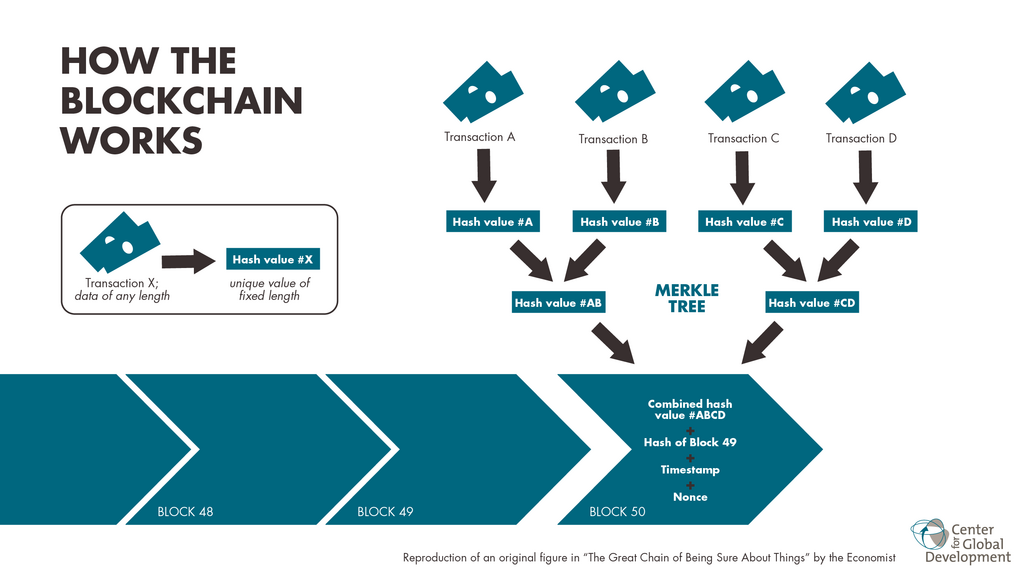
Because this digital notebook is copied and spread across thousands of computers worldwide, it's incredibly secure. To alter a transaction, a hacker would need to change that block and all the blocks that came after it on more than half of the computers in the network at the same time. It's practically impossible.
A Zoo of Digital Coins
While Bitcoin was the first, it's far from the only cryptocurrency. Today, there are thousands of different digital currencies, each with its own features and goals. We can group them into a few main categories.
Bitcoin
noun
The original cryptocurrency, created in 2009. It's often referred to as digital gold and is primarily used as a store of value and a means of exchange.
First, there are altcoins, which is short for "alternative coins." These are any cryptocurrencies that aren't Bitcoin. Some altcoins, like Litecoin, were created to be slightly improved versions of Bitcoin, perhaps with faster transaction times. Others, like Ethereum, introduced new capabilities. Ethereum, for example, allows developers to build applications and run "smart contracts" on its blockchain, opening up a world of possibilities beyond simple payments.
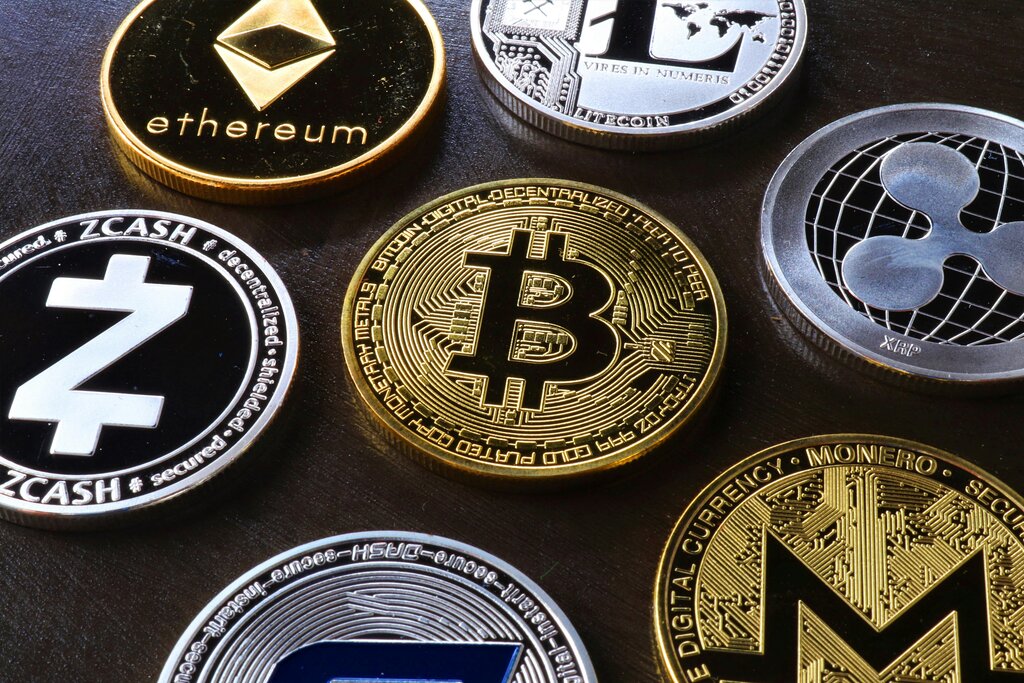
Then there are tokens. Unlike coins (like Bitcoin or Ethereum) that have their own blockchains, tokens are built on top of an existing blockchain, most commonly Ethereum's. They represent a specific asset or utility. For example, a company could create a token to represent shares in a project, grant access to a service, or even act as a concert ticket or a piece of digital art (like an NFT).
Crypto's Place in Finance
Cryptocurrencies are changing the way we think about money and finance. They offer an alternative to the traditional system controlled by banks and governments. For one, they allow for peer-to-peer transactions. You can send money directly to someone anywhere in the world without needing a bank to process the transfer. This can be faster and cheaper, especially for international payments that often involve high fees and long waits.
For people in countries with unstable economies or currencies, some cryptocurrencies can serve as a more reliable store of value. Because their supply isn't controlled by a central bank, they can't be devalued by a government printing more money.
Of course, cryptocurrencies also play a significant role as a new asset class. Many people buy and hold them as speculative investments, hoping their value will increase over time. This has created a vibrant, though often volatile, market that operates 24/7 around the globe.
Time to check what you've learned about the basics of cryptocurrency.
What is the core technology that underpins most cryptocurrencies, creating a secure and transparent public ledger of transactions?
The key innovation introduced by Satoshi Nakamoto's 2008 whitepaper was the idea of a decentralized currency, meaning it operates without a central authority like a bank.
This foundation gives you the essential concepts to understand what cryptocurrencies are and how they work. It's a new and evolving field, but it all starts with these core ideas of digital, decentralized money.