Crypto Tech vs Hype
Introduction to Cryptocurrencies
What Is Cryptocurrency?
At its heart, a cryptocurrency is a form of digital or virtual money. Think of it like an online version of cash. You can use it to buy goods and services, or trade it for other currencies. The key difference is that no central authority, like a government or bank, issues or manages it.

The main purpose of cryptocurrencies is to allow for secure, direct online payments between two people without needing a financial institution to act as a middleman. This opens up the possibility of faster, cheaper, and more accessible global transactions.
The Tech Behind the Scenes
So, how does it all work without a bank keeping track of everything? The magic ingredient is a technology called blockchain.
Blockchain is the foundational technology on which most cryptocurrencies are built.
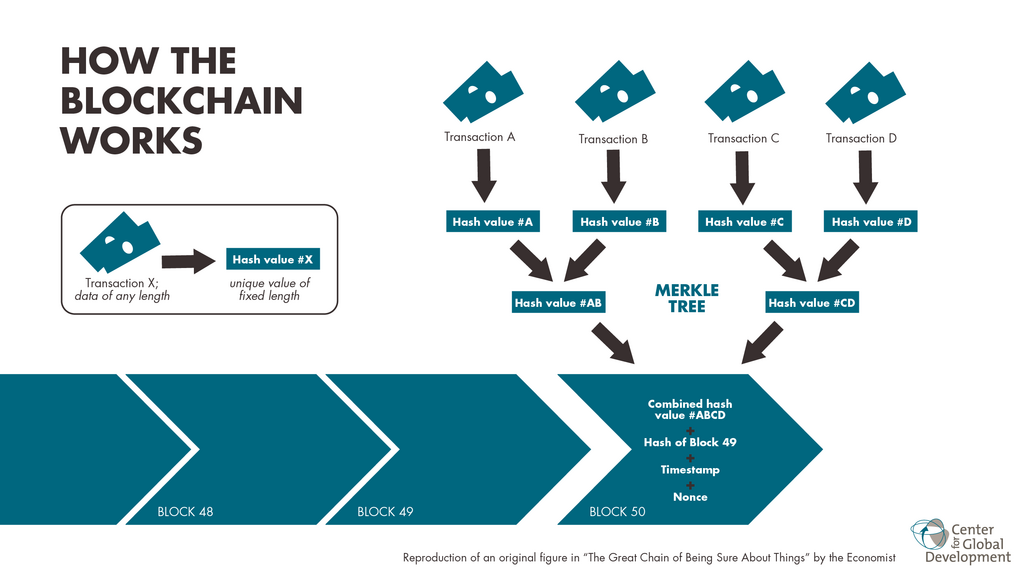
Imagine a digital notebook that is shared among a huge network of computers. Every time someone makes a transaction, it's recorded as a 'block' of data. This new block is then linked to the previous block, forming a 'chain'.
Each block contains the transaction details, a timestamp, and a unique code that connects it to the block before it. This structure makes the blockchain incredibly secure. Changing the information in an old block would require changing all the blocks that come after it, which is nearly impossible to do without being noticed by everyone else on the network.
No One's in Charge
This leads to one of the most important concepts in cryptocurrency: decentralization. In the traditional financial system, a central bank (like the Federal Reserve) controls the money supply, and commercial banks handle your transactions. This is a centralized system.
Cryptocurrencies, on the other hand, are decentralized. The blockchain ledger isn't stored in one central place. Instead, a copy is distributed across thousands of computers worldwide. This network of computers works together to verify and approve transactions.
Decentralization means there's no single point of control or failure. Power is distributed among all the users on the network.
This design has several benefits. It makes the system very resilient, as there's no central server to hack. It also makes it censorship-resistant, meaning no single entity can block or reverse transactions they don't like.
More Than Just Coins
While many people think of cryptocurrencies as just digital money, the ecosystem is much broader. The term 'token' is often used, and it's helpful to understand the difference between a crypto coin and a token.
A coin, like Bitcoin or Ether, operates on its own native blockchain. It's the primary currency of that network, used to pay for transaction fees and reward participants. A token, however, is built on top of an existing blockchain, like Ethereum. Creating a token is much simpler than creating a whole new blockchain from scratch.
| Type | Description | Example |
|---|---|---|
| Coin | Operates on its own native blockchain. | Bitcoin (BTC) |
| Token | Built on top of an existing blockchain platform. | Chainlink (LINK) on Ethereum |
Tokens can serve many different purposes. Some represent a stake or voting right in a project. Others grant access to a specific service or application. There are even 'non-fungible tokens' (NFTs) that represent ownership of a unique digital item, like a piece of art. This flexibility is what makes blockchain technology so powerful beyond just creating digital money.
Now that you've got the basics down, let's see what you've learned.