Crypto Tech vs. Hype
Introduction to Cryptocurrencies
What Is Cryptocurrency?
Cryptocurrency is a type of digital or virtual money. Unlike the dollars or euros in your bank account, it doesn't exist in any physical form. It's secured by cryptography, which makes it nearly impossible to counterfeit or double-spend.
Most traditional currencies are issued by a central authority like a government or bank. They control the supply and verify transactions. Cryptocurrencies, on the other hand, are typically decentralized. They operate on a distributed network of computers, meaning no single entity is in charge.

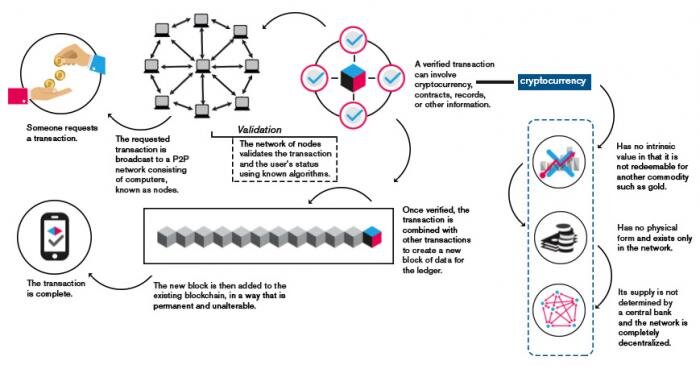
This decentralized nature is one of its most defining features. Instead of a bank confirming that you sent money to a friend, a network of participants validates the transaction. This system is built on a technology called the blockchain.
A Brief History
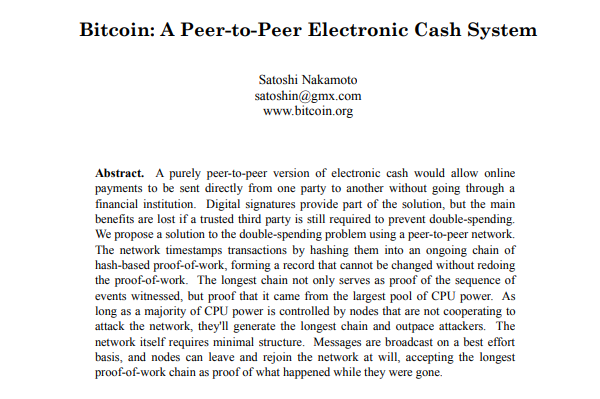
The idea of a secure digital cash system isn't new, but it became a reality in 2008. An anonymous person or group known as Satoshi Nakamoto published a paper called "Bitcoin: A Peer-to-Peer Electronic Cash System."
In January 2009, Nakamoto created the first-ever block in the Bitcoin network, known as the "Genesis Block." This launched the world's first cryptocurrency. For a few years, Bitcoin was mostly a niche interest for cryptographers and tech enthusiasts.
Soon, other cryptocurrencies, often called "altcoins," began to appear. One of the most significant was Ethereum, launched in 2015. Ethereum introduced a groundbreaking idea: smart contracts. These are self-executing contracts with the terms of the agreement written directly into code. This innovation opened the door for applications beyond simple currency, like decentralized finance (DeFi) and non-fungible tokens (NFTs).

How It All Works
Blockchain is the foundational technology on which most cryptocurrencies are built.
A blockchain is essentially a digital ledger of transactions. Imagine a shared notebook that's duplicated and spread across an entire network of computers. When a new transaction occurs, it's recorded in a "block." That block is then added to the end of the "chain," creating a chronological record.
Once a block is added to the chain, it becomes very difficult to alter. Each block contains its own cryptographic hash, along with the hash of the previous block. This creates a secure and unbreakable link. If a hacker tried to change the data in one block, its hash would change, breaking the entire chain that follows.
This system is maintained by participants called miners or validators. They use powerful computers to solve complex math problems. The first one to solve the problem gets to add the next block to the blockchain and is rewarded with a certain amount of cryptocurrency. This process, known as mining, is how new coins are created and transactions are confirmed.
Now that you understand the basic concepts, let's test your knowledge.
What is the primary method used to secure cryptocurrency transactions and prevent counterfeiting?
What is a key difference between most cryptocurrencies and traditional currencies like the US Dollar?
Understanding these fundamentals is the first step in navigating the world of digital assets.