Crypto Tech vs Hype
Introduction to Cryptocurrencies
What Is Cryptocurrency?
Cryptocurrency is a form of digital money. Unlike the dollars or euros in your bank account, it doesn't exist in any physical form. It's purely virtual. The main purpose of most cryptocurrencies is to act as a secure way to exchange value online, without needing a traditional bank or payment processor to act as a middleman.
Cryptography
noun
The art of writing or solving codes. In cryptocurrency, it's used to secure transactions and control the creation of new units.
Think of it as a digital alternative to the cash issued by governments. This new form of currency isn't managed by a single entity, which is one of its most defining features.
The Technology Behind It
Cryptocurrencies are built on a technology called blockchain. A blockchain is a type of database, but a very special one. It’s a public ledger that records all transactions. Imagine a shared digital notebook that everyone on a network can see. When a new transaction happens, a new entry is added to the notebook.
This digital notebook is made up of "blocks." Each block contains a list of recent transactions. Once a block is filled, it's chained to the previous block, creating a timeline of all transactions. This is where the name "blockchain" comes from.
What makes this system so secure is that each block is cryptographically linked to the one before it. Changing a past transaction would mean changing every single block that came after it, which is practically impossible. This makes the ledger permanent and unchangeable.
Decentralization Is Key
Traditional finance is centralized. A bank or a company like Visa sits in the middle of transactions, verifying and recording them. They have ultimate control. If they decide to block a payment or freeze an account, they can.
Cryptocurrencies are different. They are decentralized. There's no single company, bank, or government in charge. Instead, the blockchain is maintained by a network of computers all over the world. Anyone can participate. This distribution of power means that no single person or group can control the currency or alter the transaction history.
This structure provides a high level of security and transparency, as everyone on the network has a copy of the same ledger.
Peer-to-Peer Transactions
Because they are decentralized, cryptocurrencies allow for direct, peer-to-peer (P2P) transactions. This means you can send funds to another person without going through a bank. It’s like handing someone cash, but done digitally and across any distance.
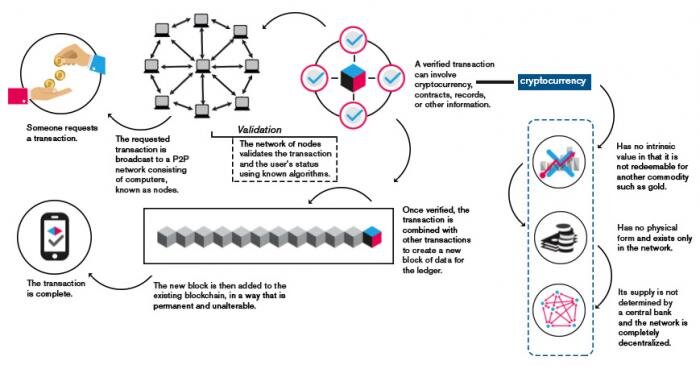
When you want to send cryptocurrency, you broadcast the transaction to the network. Special participants on the network, sometimes called "miners" or "validators," group your transaction with others into a new block. They then work to confirm that all the transactions are legitimate before adding the new block to the chain. Once added, the transaction is final.
Blockchain is a digital ledger for cryptocurrency transactions across peer-to-peer networks.
This setup is the foundation of how cryptocurrencies operate. By understanding these core ideas—digital currency, blockchain, decentralization, and P2P transfers—you have the essential knowledge to begin exploring this space.
What is the primary characteristic that distinguishes cryptocurrencies from traditional financial systems like banks?
The technology that most cryptocurrencies use to record transactions on a public, unchangeable ledger is called a...