Crypto Tech vs Hype
Introduction to Cryptocurrencies
What Is Cryptocurrency?
Cryptocurrency is a type of digital money. Unlike the dollars or euros in your bank account, it doesn't exist in a physical form like paper bills or metal coins. Instead, it's entirely virtual.
The 'crypto' part comes from cryptography, the practice of secure communication. This is what keeps transactions safe and prevents people from spending money they don't have.
cryptography
noun
The art of writing or solving codes, used here to secure transactions and control the creation of new currency units.
The main purpose of most cryptocurrencies is to allow people to send money directly to each other without going through a middleman, like a bank or a credit card company. This is known as a peer-to-peer system. By cutting out the intermediary, transactions can sometimes be faster and cheaper.

The Tech Behind the Scenes
So how does it all work without a bank keeping track of everything? The answer is a technology called blockchain.
Think of a blockchain as a digital public ledger, like a giant, shared notebook that's open for anyone to see. Every time someone sends cryptocurrency, the transaction is recorded in this notebook. The key difference is that this notebook is copied and spread across thousands of computers around the world.
Blockchain is the foundational technology on which most cryptocurrencies are built.
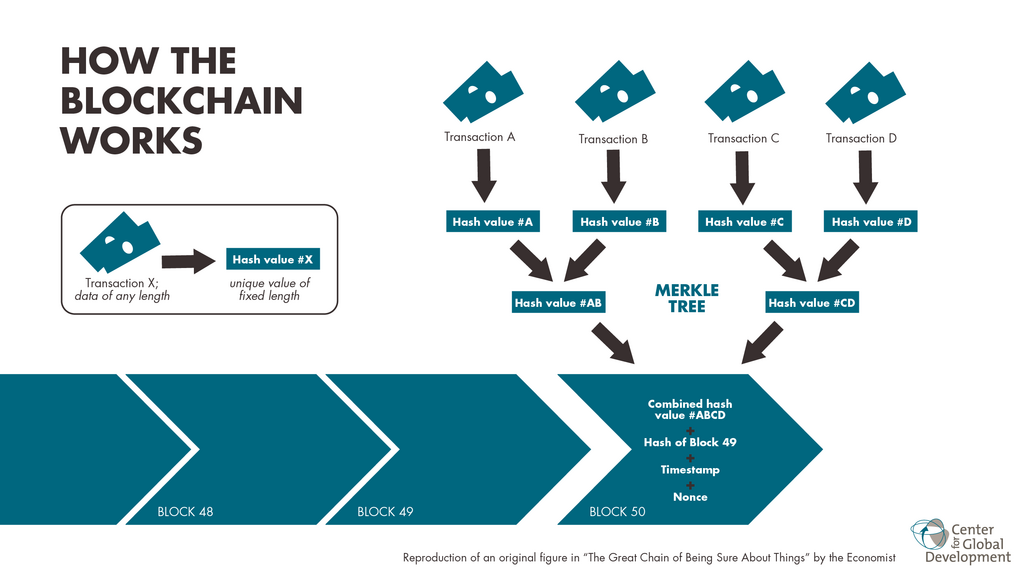
Transactions are bundled together into 'blocks.' Once a block is full, it's added to the end of the 'chain.' Each new block is cryptographically linked to the one before it, creating a secure and unchangeable record. Once a transaction is on the blockchain, it's nearly impossible to alter or remove it. This creates a permanent and transparent history of every transaction ever made.
No One in Charge
Traditional finance is centralized. A bank or government controls the system, verifies transactions, and can freeze accounts. Cryptocurrencies operate differently.
They are built on decentralized networks. This means there's no single person, company, or server in control. Instead, the power and responsibility are distributed among all the participants in the network.
In a decentralized system, control is spread out among all the users. No single person or company owns the network.
This structure makes the system incredibly resilient. Since the ledger is stored on countless computers, there's no single point of failure. If one computer goes offline, the network continues to run without interruption. It also makes the network resistant to censorship, as no central authority can block or reverse transactions they don't approve of.
The Big Players
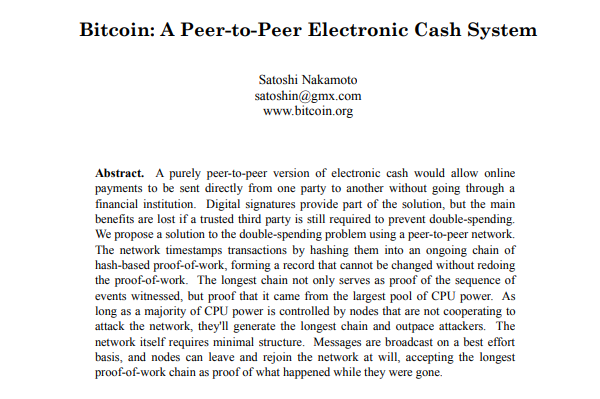
You've likely heard of a few cryptocurrencies. The first and most famous is Bitcoin, which was introduced in 2009 by an anonymous person or group known as Satoshi Nakamoto. It was created to be a 'peer-to-peer electronic cash system.'
Another major player is Ethereum. While it also has its own cryptocurrency, Ether (ETH), the Ethereum network is different from Bitcoin. It was designed to be more than just digital money. It allows developers to build decentralized applications (or 'dApps') on its blockchain, using a feature called smart contracts. These are programs that automatically execute when certain conditions are met, opening up a world of possibilities beyond simple transactions.
What is the primary role of blockchain technology in a cryptocurrency system?
The defining characteristic of a decentralized network is that it is controlled by a single company or government.