Crypto Tech vs Hype
Introduction to Cryptocurrencies
What Is Cryptocurrency?
At its heart, a cryptocurrency is digital money. It exists only in computers and is designed to work as a medium of exchange, just like dollars or euros. You can use it to buy things, or you can hold onto it as an investment.
Cryptocurrency
noun
A digital or virtual currency that is secured by cryptography, making it nearly impossible to counterfeit or double-spend.
Unlike the money in your bank account, which is managed by a bank and a government, cryptocurrencies are typically decentralized. No single person or organization is in charge. This is a key feature we'll explore more later.
The "crypto" part comes from cryptography, the practice of secure communication. Every transaction is scrambled using complex math, making the network secure and verifying the transfer of assets.

A Brief History
The idea of digital cash isn't new. In the 1990s, pioneers tried to create it, but they always ran into a major obstacle: the double-spending problem. How do you stop someone from spending the same digital dollar twice without a central authority like a bank to check every transaction? These early systems required a trusted third party, which defeated the purpose of a truly digital cash system.
Then, in 2008, a person or group using the pseudonym Satoshi Nakamoto published a paper called "Bitcoin: A Peer-to-Peer Electronic Cash System." It proposed a radical solution that didn't need a bank or any middleman.
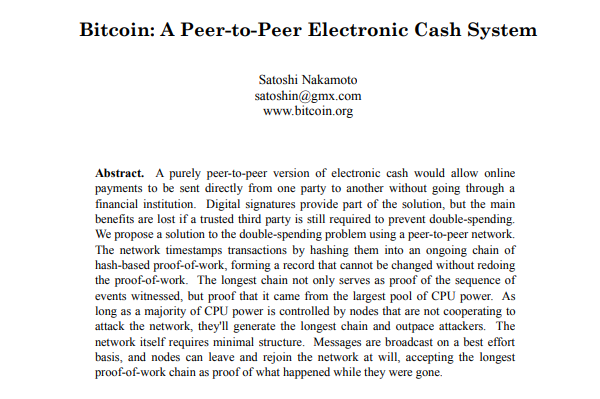
In January 2009, the Bitcoin network came online, marking the birth of the first successful cryptocurrency. Nakamoto's creation solved the double-spending problem using a distributed public ledger called a blockchain. This innovation paved the way for the thousands of cryptocurrencies that exist today.
The Magic of Blockchain
Blockchain is the foundational technology on which most cryptocurrencies are built.
So what is a blockchain? Imagine a digital notebook that is shared among a huge network of computers. Every time someone makes a transaction, it's recorded as an entry in this notebook. These entries, or transactions, are bundled together into "blocks."
Each new block is then chained to the previous one in chronological order, creating a chain of blocks, or a blockchain. This creates a permanent, unchangeable record of every transaction ever made.
The crucial part is the "chain." Each block contains a cryptographic hash of the previous block. A hash is like a unique digital fingerprint. If anyone tried to alter a transaction in an old block, its hash would change. This would break the chain, and the entire network would immediately reject the fraudulent block. This makes a blockchain incredibly secure.
Why Decentralization Matters
A fundamental feature of cryptocurrencies is their decentralized nature.
Traditional financial systems are centralized. A bank or government controls your money, can freeze your account, or can censor transactions. If the central entity fails or is attacked, the entire system is at risk.
Cryptocurrencies, on the other hand, are decentralized. The blockchain ledger isn't stored in one place; it's distributed across thousands of computers worldwide. This means:
- No single point of failure: The network can continue to operate even if some computers go offline.
- Censorship resistance: No single entity can block or reverse transactions they don't like.
- Transparency: Most cryptocurrency blockchains are public, meaning anyone can view the transactions, even though the participants' identities are pseudonymous.
This structure creates a more open and resilient financial system, controlled by its users rather than a central authority.
Now that you understand the basic concepts, let's test your knowledge.
What is the primary function of a blockchain in a cryptocurrency like Bitcoin?
What fundamental problem in early digital cash systems did Satoshi Nakamoto's Bitcoin solve?
Understanding these fundamentals is the first step in navigating the world of digital currencies.