Crypto Tech vs Hype
Introduction to Cryptocurrencies
What Is Cryptocurrency?
At its core, a cryptocurrency is a digital or virtual currency. Unlike the dollars or euros in your bank account, it doesn't exist in any physical form. The “crypto” part comes from cryptography, the art of secure communication, which is used to protect transactions.
cryptocurrency
noun
A digital or virtual currency that uses cryptography for security, making it difficult to counterfeit.
Traditional currencies, like the U.S. dollar, are known as fiat currencies because they are issued and backed by a government. Cryptocurrencies, on the other hand, are typically decentralized. No single government or bank controls them. The idea of digital cash had been explored for decades, but it wasn't until 2009 that the first successful cryptocurrency, Bitcoin, was created by an anonymous person or group known as Satoshi Nakamoto. This invention solved a key problem: how to prevent people from spending the same digital money twice without a central authority like a bank to verify transactions.

The Technology Behind It
Most cryptocurrencies run on a technology called blockchain. Think of a blockchain as a special kind of digital notebook that is shared among many computers around the world. Every time someone makes a transaction, it's recorded in this notebook as a new entry. This notebook is public, so anyone can see it, but it's also incredibly difficult to alter.
Blockchain is the foundational technology on which most cryptocurrencies are built.
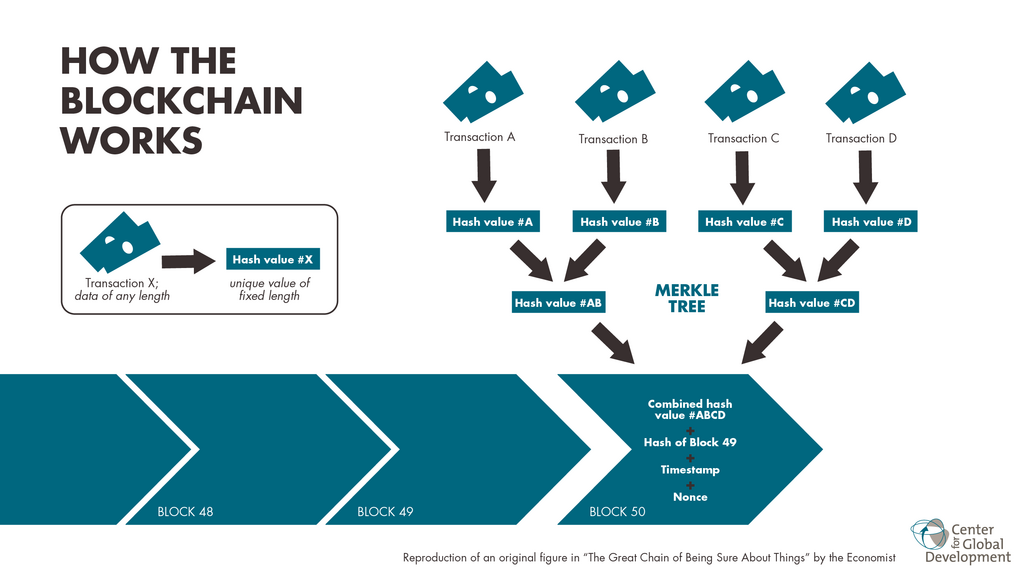
Transactions are bundled together into "blocks." Once a block is full, it's added to the end of the chain, creating a chronological and unchangeable record. Each new block is cryptographically linked to the one before it, forming a chain of blocks, or a blockchain. Because this digital ledger is copied and spread across a network of computers, it's decentralized. There's no single point of failure; if one computer goes offline, the network keeps running.
Keeping It Secure and Honest
So, if no one is in charge, how does the network stay secure and agree on what's true? This is where two key concepts come into play: cryptographic security and consensus mechanisms.
Cryptographic Security ensures that all transactions are secure and the ledger is tamper-proof. Each block contains a unique code, called a hash. This hash is generated from the data inside the block. If even a single character of the data changes, the hash changes completely. Since each block's hash is included in the next block, it creates a secure chain. Altering an old block would break the entire chain that follows it, making any tampering immediately obvious to the rest of the network.
Consensus mechanisms are the rules the network follows to agree on new transactions. Because there's no central boss, the computers on the network must reach an agreement, or consensus, before a new block can be added. The two most common methods are:
| Mechanism | How It Works |
|---|---|
| Proof of Work (PoW) | Computers, known as miners, compete to solve a complex mathematical puzzle. The first one to solve it gets to add the next block and earns a reward in cryptocurrency. This requires significant computing power, which makes it very secure but also energy-intensive. Bitcoin uses this method. |
| Proof of Stake (PoS) | Instead of mining, participants lock up or "stake" their own cryptocurrency to get a chance to validate transactions and create new blocks. It's more energy-efficient than PoW and is used by cryptocurrencies like Ethereum. |
These mechanisms ensure that all participants are honest. It's more profitable for them to follow the rules and earn rewards than to try and cheat the system.
Why Does It Matter?
Cryptocurrencies are more than just a new form of money; they represent a potential shift in how we think about finance. Because they are borderless, you can send money to someone on the other side of the world almost instantly and with potentially lower fees than traditional banking.
The decentralized nature of crypto also offers an alternative to the traditional financial system. In theory, it gives individuals more control over their own assets, without needing to rely on banks or governments. This has sparked innovation in areas like decentralized finance (DeFi), where financial services like lending and borrowing are built on blockchain technology, open to anyone with an internet connection.
However, the space is still young and comes with risks, including price volatility and evolving regulations. Understanding the foundational concepts is the first step to navigating this new financial landscape.
Ready to check your understanding of these core concepts?
What is the core technology that most cryptocurrencies, like Bitcoin, are built upon?
What does it mean for a cryptocurrency to be 'decentralized'?