Crypto Tech vs Hype
Introduction to Cryptocurrencies
What Is Cryptocurrency?
Cryptocurrency is a type of digital or virtual money. Unlike the dollars or euros in your bank account, it isn't issued by a central authority like a government or bank. Instead, it uses cryptography to secure transactions, making it a decentralized and secure way to exchange value online.
Cryptography
noun
The art of writing or solving codes. In cryptocurrency, it's used to secure transactions and control the creation of new units.
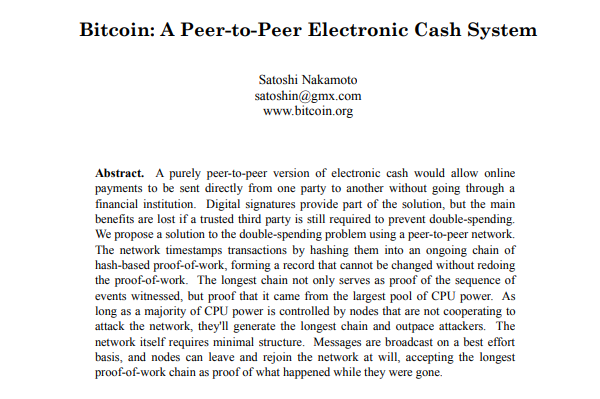
The story begins in 2009 with the creation of Bitcoin. An anonymous person or group known as Satoshi Nakamoto released a paper outlining a new "peer-to-peer electronic cash system." This system allowed people to send money directly to each other without needing a bank or financial institution as a middleman. This was the birth of the first cryptocurrency.
The Magic of Blockchain
So, how does this all work without a bank keeping track of everything? The answer is a technology called blockchain.
At its most basic level, a blockchain is a digital ledger maintained by a decentralized network of computers.
Imagine a shared digital notebook that everyone in a network can see. When someone makes a transaction, it's recorded as a "block" in the notebook. This new block is then linked to the previous block, forming a chain. Each block contains a timestamp, transaction data, and a cryptographic link to the previous block.
This structure makes the blockchain incredibly secure. To alter a transaction in one block, you would have to change every single block that comes after it, which is practically impossible. Because the ledger is distributed across many computers, there's no single point of failure and no single entity in control. This is the core idea of decentralization.
The Big Players
While Bitcoin was the first, thousands of other cryptocurrencies have been created since. Here are a couple of the most significant ones.

Bitcoin (BTC) As the original cryptocurrency, Bitcoin is the most well-known. Its main purpose is to be a store of value and a medium of exchange, similar to digital gold. Its supply is limited to 21 million coins, which makes it scarce by design.
Ethereum (ETH) Launched in 2015, Ethereum is more than just a digital currency. It's a decentralized platform that allows developers to build and run applications on its blockchain. These are often called "dApps" (decentralized applications).
Ethereum introduced the concept of "smart contracts." These are self-executing contracts where the terms of the agreement are written directly into code. They automatically carry out the contract's rules when certain conditions are met, all without needing an intermediary. Ether (ETH) is the cryptocurrency used to power the Ethereum network and pay for transactions.
Think of Bitcoin as digital money and Ethereum as a decentralized global computer that anyone can use to build applications.
Beyond Bitcoin and Ethereum, there are thousands of other cryptocurrencies, often called "altcoins." Each aims to improve on the original concept or serve a specific purpose, from faster transactions to greater privacy. Understanding the basics of how they work is the first step in navigating this new digital landscape.
What is the key characteristic that distinguishes cryptocurrency from traditional currencies like the US Dollar?
What is the name of the shared, distributed ledger technology that underpins most cryptocurrencies, including Bitcoin?