Crypto Tech vs Hype
Introduction to Cryptocurrencies
What Is Cryptocurrency?
Cryptocurrency is a type of digital money. Unlike the dollars or euros in your bank account, it isn't issued by a central authority like a government or a bank. Instead, it's created and managed using cryptography, a method of protecting information through complex codes.
Think of it as digital cash you can send directly to another person without a middleman. This system is designed to be secure and, in many cases, anonymous. The main goal is to create a financial system that is open, borderless, and not controlled by any single entity.
At its core, cryptocurrency is a secure form of digital currency built on a technology that allows people to transact directly with each other.
The Technology Behind the Coins
Most cryptocurrencies run on a technology called blockchain. Imagine a shared digital notebook that is duplicated and spread across a massive network of computers. This notebook is the blockchain.
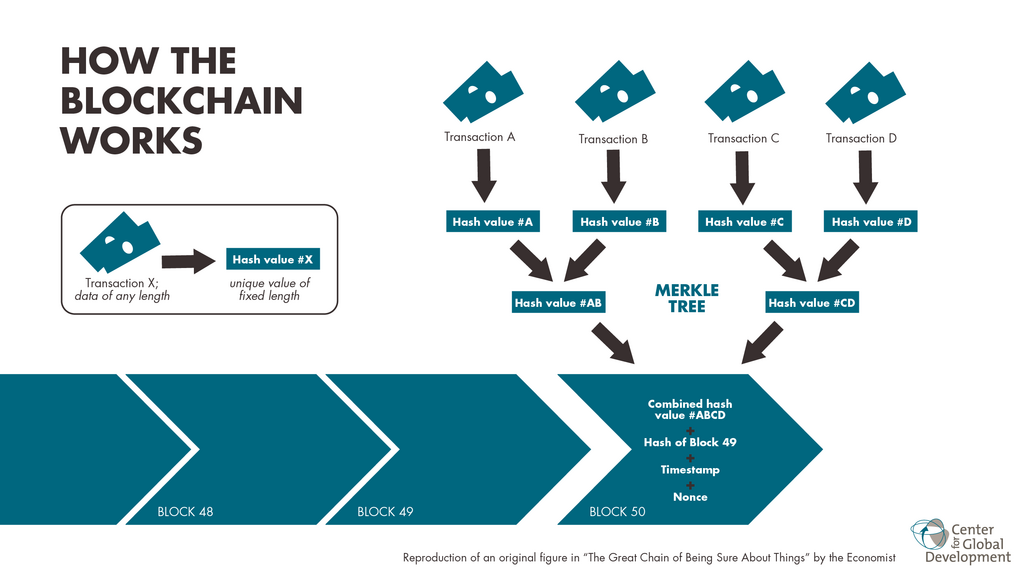
Whenever a transaction happens, like someone sending Bitcoin to a friend, it gets recorded as a "block" of data. This new block is then added to the end of the notebook, creating a "chain." Every participant on the network has a copy of this notebook, so they can all see the transaction and verify that it's legitimate.
Once a block is added to the chain, it's incredibly difficult to change. To alter a transaction, a person would have to change the block on a majority of the computers in the network simultaneously, which is practically impossible. This makes the blockchain very secure and transparent.
Blockchain is the foundational technology on which most cryptocurrencies are built.
No One in Charge
A key feature of cryptocurrency is decentralization. Traditional financial systems are centralized. A bank, for example, sits in the middle of transactions, controls your money, and keeps the official records.
Cryptocurrencies do away with this central authority. The network is maintained by its users, spread all over the world. No single person, company, or government controls it. This structure is meant to make the system fairer and more resistant to censorship or manipulation.
decentralization
noun
The transfer of control and decision-making from a centralized entity (individual, organization, or group thereof) to a distributed network.
This lack of a central authority is what allows for peer-to-peer transactions. When you send crypto to someone, the network of users validates the transaction directly, without needing a bank's approval.
Coins and Tokens
While the terms are often used interchangeably, there's a difference between a coin and a token.
Coins, like Bitcoin or Ethereum, operate on their own native blockchain. They are typically used as a store of value or a means of exchange, much like traditional money.
Tokens, on the other hand, are built on top of an existing blockchain, such as Ethereum. They represent an asset or a utility. A token can represent a share in a project, a vote in a system, or access to a specific service. For example, a project might issue tokens to raise funds for a new application, and holders of that token might get special features within the app.
Think of it this way: Coins are the native currency of a blockchain, while tokens are assets that live on that blockchain.
Ready to test your knowledge?
What is the primary characteristic of a cryptocurrency that distinguishes it from a traditional currency like the US Dollar?
How does blockchain technology secure transactions?