Crypto Tech Versus Hype
Introduction to Cryptocurrencies
What Is Cryptocurrency?
At its heart, a cryptocurrency is digital money. It's a type of currency that exists only in digital form and uses cryptography to secure transactions. Think of it as cash for the internet, but with some key differences.
Cryptography
noun
The art of writing or solving codes. In cryptocurrency, it's used to secure transactions and control the creation of new units.
Unlike traditional money issued by governments (like the US dollar or the Euro), most cryptocurrencies are decentralized. This means they aren’t controlled by any single entity, like a bank or a government. Instead, transactions are verified and records are maintained by a network of computers spread across the globe.
Imagine a shared notebook that everyone in a group can see and write in, but no one can erase what's already been written. That's the basic idea behind the technology that powers cryptocurrencies.
A Quick History Lesson
The idea of digital cash has been around since the 1980s, but early attempts struggled with a key problem: double-spending. How do you stop someone from spending the same digital coin twice without a central authority like a bank to verify everything?
In 2008, a person or group using the name Satoshi Nakamoto published a paper titled "Bitcoin: A Peer-to-Peer Electronic Cash System." It proposed a solution.
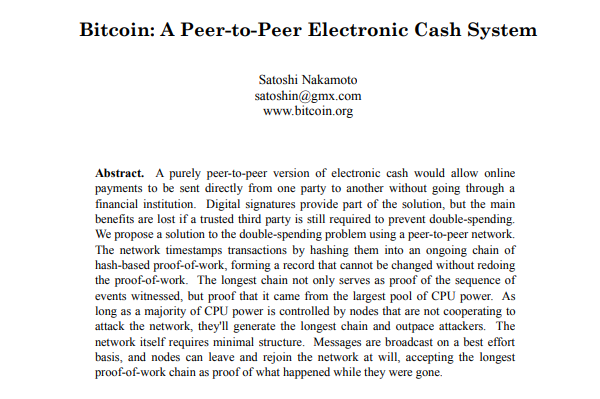
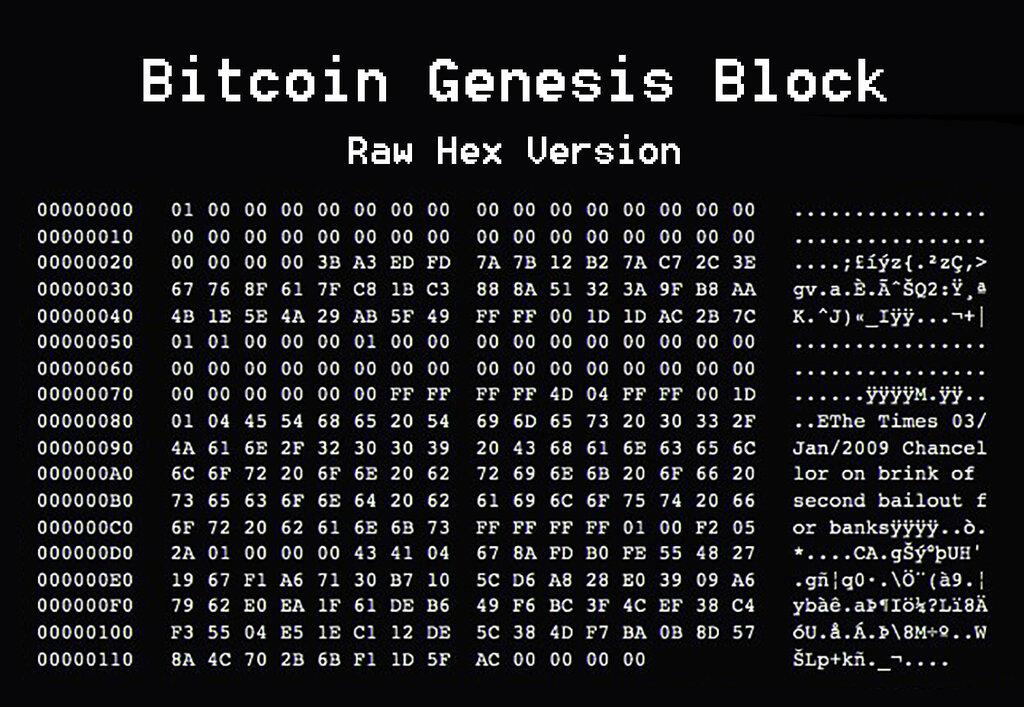
Nakamoto's system, Bitcoin, launched in 2009. It was the first successful decentralized cryptocurrency. The very first block of transactions, known as the "Genesis Block," contained a hidden message referencing a newspaper headline, a commentary on the instability of the traditional banking system at the time.
The Magic of Blockchain
The technology that solved the double-spending problem and makes cryptocurrencies like Bitcoin possible is called blockchain.
Blockchain is the foundational technology on which most cryptocurrencies are built.
A blockchain is a digital ledger of transactions that is duplicated and distributed across a whole network of computers. It's like a chain of digital records, called blocks. Each block contains a list of transactions. When a block is completed, it's added to the chain, creating a growing, continuous line of blocks.
Each block is cryptographically linked to the one before it. This chain-like structure makes the ledger incredibly secure. To alter a transaction in an old block, a bad actor would have to redo that block and all the blocks that came after it, which is nearly impossible to do on a large, decentralized network.
This makes the blockchain transparent and immutable. All transactions are public, and once a record is added to the chain, it's permanent.
Bitcoin and Beyond
Bitcoin was the pioneer, and it's still the most well-known cryptocurrency. Its main purpose is to be a peer-to-peer electronic cash system, a digital alternative to traditional money.
But Bitcoin's success inspired thousands of other cryptocurrencies. The second most famous is Ethereum, which launched in 2015.

Ethereum took the blockchain concept a step further. While Bitcoin's blockchain mostly just records transactions, Ethereum's is more flexible. It allows developers to build and run decentralized applications (or "dapps") and smart contracts on its blockchain. A smart contract is a self-executing contract with the terms of the agreement directly written into code. It's less a currency and more a platform for building new things with blockchain technology.
Bitcoin and Ethereum are just two examples. There are thousands of other cryptocurrencies, each with different features and goals. Some aim to be faster than Bitcoin, while others focus on privacy or specific applications.
That covers the basics of what cryptocurrencies are and the technology that makes them work. Now, let's review these core concepts.
Ready to test your knowledge?
What is the primary characteristic that distinguishes most cryptocurrencies from traditional government-issued currencies?
The core technological problem that early digital cash systems struggled with, and which Bitcoin's invention solved, is known as the __________ problem.
This foundation gives you the essential knowledge to understand how the world of digital assets operates. It all starts with the simple but powerful idea of a decentralized, secure digital ledger.