Crypto Tech Versus Hype
Introduction to Cryptocurrencies
What Is Cryptocurrency?
At its core, a cryptocurrency is digital or virtual money. Think of it like an email, but for sending value. Instead of relying on a bank or credit card company to process a transaction, you can send funds directly to another person. This is called a peer-to-peer system.
The main idea is decentralization. Traditional currencies, like the US dollar or the Euro, are controlled by central banks. Cryptocurrencies aren't. They operate on a global network of computers, meaning no single person, company, or government is in charge.
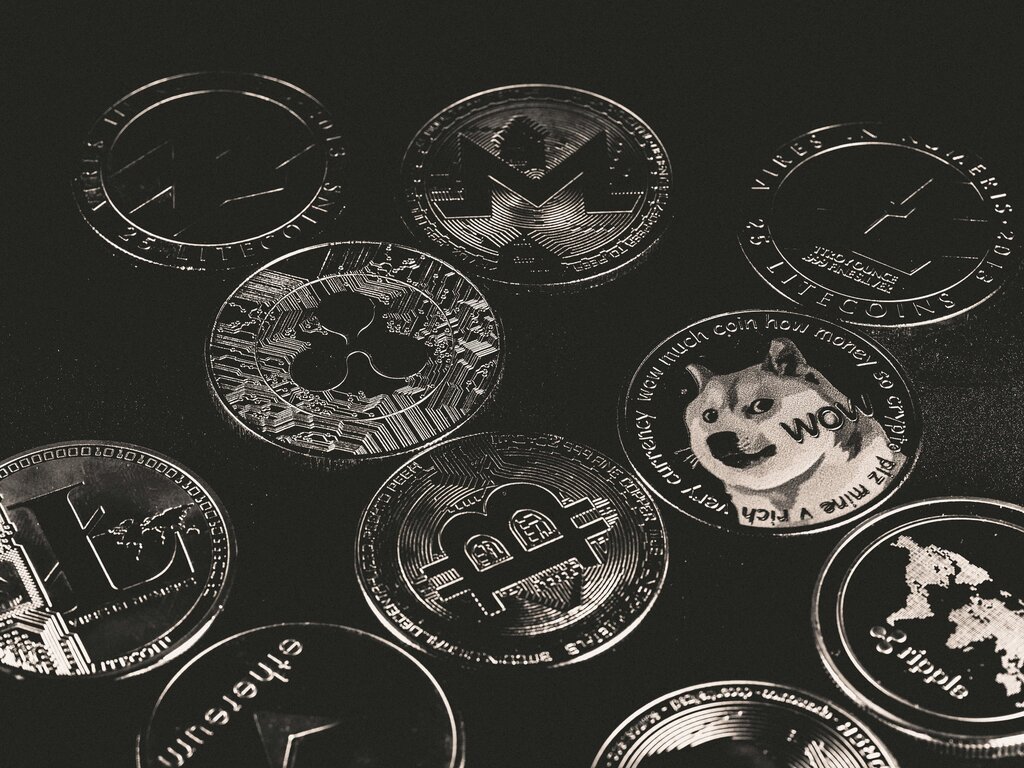
This structure opens up new possibilities, like sending money across borders quickly and with potentially lower fees. It also gives individuals full control over their own funds, without needing a traditional bank account.
The Technology Behind It All
So, how does it all work without a bank keeping track of everything? The answer is a technology called blockchain.
Imagine a shared digital notebook that everyone on the network can see. When someone sends cryptocurrency, the transaction is recorded as a new entry in this notebook. This entry is bundled with other recent transactions into a "block."
Each new block is then cryptographically linked to the previous one, forming a chain. This is why it's called a blockchain. Once a block is added to the chain, it's permanent and cannot be altered. Changing a past transaction would require changing every single block that came after it across the entire network, which is practically impossible. This makes the system incredibly secure.
This structure is also transparent. While your real identity is not attached to your transactions, the ledger itself is public. Anyone can view the record of transactions that have taken place on the network. This combination of security and transparency is what makes blockchain so powerful.
A Brief History
The idea of digital cash has been around for decades, but early attempts struggled with a key issue: the double-spending problem. How do you prevent someone from spending the same digital dollar twice without a central authority like a bank to verify it?
In 2008, a person or group using the pseudonym Satoshi Nakamoto published a paper outlining a solution. The paper was titled "Bitcoin: A Peer-to-Peer Electronic Cash System."
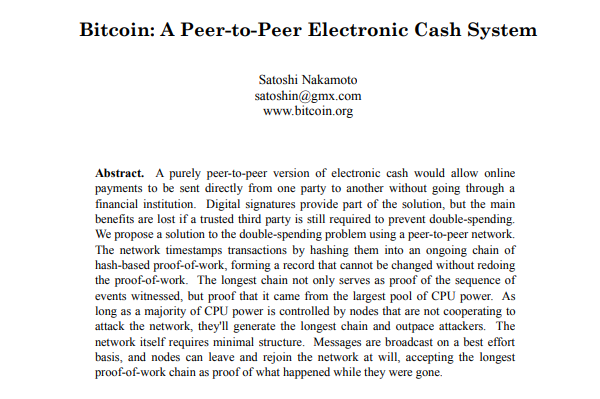
In 2009, Bitcoin was launched as the first decentralized cryptocurrency. It used blockchain technology to solve the double-spending problem by creating a permanent, public record of all transactions. Its success paved the way for thousands of other cryptocurrencies, often called "altcoins."
Crypto vs. Fiat Currency
Cryptocurrencies are fundamentally different from the traditional money, known as fiat currency, that we use every day. Here’s a quick comparison:
| Feature | Cryptocurrencies | Fiat Currencies |
|---|---|---|
| Control | Decentralized, run by a network of users | Centralized, controlled by governments and banks |
| Supply | Often has a fixed, limited supply (e.g., Bitcoin) | Unlimited supply, can be printed as needed |
| Transparency | Transactions are public on a distributed ledger | Transactions are private and recorded by banks |
| Accessibility | Global and accessible to anyone with internet | Generally tied to a specific country or region |
These differences give cryptocurrencies unique properties. The limited supply of some, like Bitcoin, makes them similar to precious metals like gold, while their digital nature allows for fast, global transfers.
By understanding these basics—what crypto is, the blockchain that powers it, and how it differs from traditional money—you have the foundation needed to explore this new financial landscape.
What is the primary characteristic that distinguishes cryptocurrencies from traditional, government-issued currencies?
In a cryptocurrency system, what is a 'blockchain'?
Now that you've got the basics down, you're ready to dig deeper into how the crypto world works.