Crypto Project Tech vs Hype
Introduction to Cryptocurrencies
What Is Cryptocurrency?
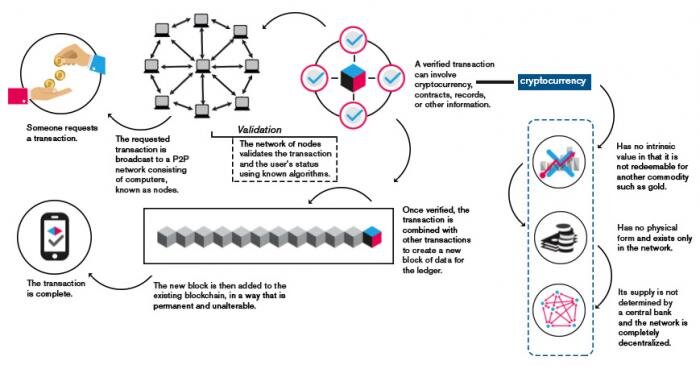
Cryptocurrency is a type of digital or virtual money. Unlike the dollars or euros in your bank account, it doesn't exist in a physical form like paper bills or metal coins. It lives entirely online.
The core idea is to create a secure way to exchange value without needing a middleman, like a bank or a credit card company. The "crypto" part comes from cryptography, the practice of using complex codes to secure information. This makes transactions incredibly difficult to fake or alter.
Think of it as digital cash you can send directly to another person, anywhere in the world, without going through a financial institution.
The Technology Behind the Coins
Cryptocurrencies run on a technology called blockchain. Imagine a shared, digital notebook that is duplicated and spread across a massive network of computers. This notebook is made of pages, or "blocks," and each block is filled with a list of transactions.
Once a block is full, it’s added to the end of the notebook, creating a chain of blocks. Here’s the clever part: each new block is cryptographically linked to the one before it. If someone tried to change a transaction in an old block, they would also have to change every single block that came after it, across thousands of computers, all at once. This makes the blockchain extremely secure and tamper-proof.
No One in Charge
One of the most important concepts in cryptocurrency is decentralization. Traditional currencies are centralized. Governments control them, and banks manage them. They have a central point of authority and control.
Cryptocurrencies are different. The network is maintained by a global community of volunteers or participants, not a single company or government. The rules of the system are coded into the software itself. This lack of a central authority means that no single person or group can shut down the network, freeze your account, or block a payment. It creates a system that is more open and resistant to censorship.
Key Crypto Terms
As you dive into cryptocurrency, you'll encounter some new vocabulary. Here are a few essential terms to get you started.
Wallet
noun
A digital wallet used to store, send, and receive cryptocurrencies. It doesn't hold your coins like a physical wallet, but instead stores your keys.
Every wallet has a set of cryptographic keys. The public key is like your bank account number. You can share it with anyone to receive funds. The private key is like your account password. It proves you own the funds and is used to authorize transactions. You must keep your private key secret; if someone gets it, they can access your crypto.
Rule #1 of crypto: Never, ever share your private key.
Mining
noun
The process by which new cryptocurrency coins are created and new transactions are verified and added to the blockchain.
Miners use high-powered computers to solve these complex puzzles. The first miner to solve the puzzle gets to add the next block of transactions to the blockchain and is rewarded with a small amount of new cryptocurrency. This process is what keeps the network secure and confirms transactions.
Now that you know the basics, let's test your knowledge.
What is the primary function of a private key in the context of cryptocurrency?
The core principle that distinguishes cryptocurrency from traditional banking is its decentralization.
These core ideas—digital money secured by cryptography, verified on a decentralized blockchain—form the foundation of the entire cryptocurrency world.