Crypto Project Evaluation Tech vs Hype
Introduction to Cryptocurrencies
Digital Money for a Digital Age
Most of us already use digital money every day. When you swipe a credit card or send money through an app, you're not handing over physical cash. You're just updating a digital ledger in a bank's database.
Cryptocurrency is another form of digital money, but it works in a fundamentally different way. It's a type of currency that exists only in digital form and uses cryptography to secure transactions.
cryptography
noun
The use of codes to secure information and communication, so that only those for whom the information is intended can read and process it.
Instead of being controlled by a central authority like a bank or government, cryptocurrencies are managed by a distributed network of computers. This network keeps track of who owns what and verifies every transaction.
The Technology Behind It
Blockchain is the foundational technology on which most cryptocurrencies are built.
The innovation that makes cryptocurrency possible is called blockchain. You can think of a blockchain as a special kind of digital notebook. This notebook is shared with everyone in the network, and it's constantly growing as new transactions are added.
Each page in the notebook is called a block. A block contains a list of recent transactions. Once a page is full, it's added to the end of the notebook, creating a chain of blocks. Each new block is cryptographically linked to the one before it, making the entire chain incredibly secure and difficult to alter. If someone tried to change a transaction on an old page, they would break the chain, and the network would immediately reject the change.
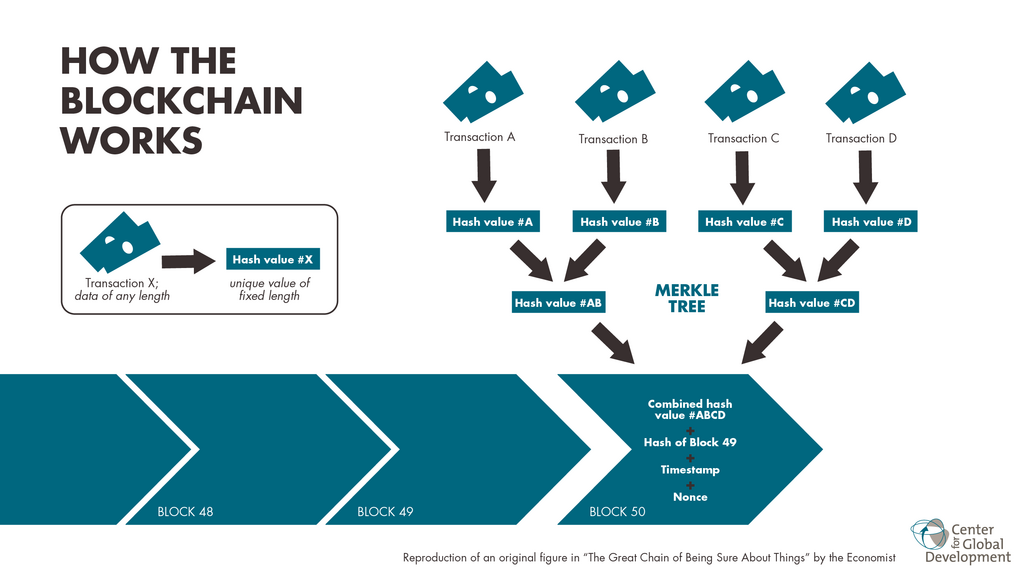
This structure creates a permanent and transparent record of all transactions. Everyone on the network can see the ledger, but no single person can change it.
The Power of Decentralization
Traditional financial systems are centralized. A bank, for example, sits in the middle of transactions, holding the ledger and having the final say on who owns what. If the bank's servers go down or if it decides to freeze your account, you lose access to your money.
Cryptocurrencies are decentralized. There is no central server or single entity in control. Instead, the ledger is copied and spread across thousands of computers worldwide. This design makes the system resilient and open.
This structure means no single person or group can control the currency, shut down the network, or reverse transactions. Power is distributed among the users, giving them more control over their own assets.
A New Kind of Asset
Beyond being a new form of money, cryptocurrencies have also emerged as a new type of digital asset. People buy and hold them for various reasons. Some use them for fast, international payments, while others see them as an investment, similar to stocks or gold, hoping their value will increase over time.
Their role in the global financial system is still evolving. They offer a new way to think about ownership and value, separate from traditional government-issued currencies.

Understanding these core ideas—digital money secured by cryptography, built on a decentralized blockchain—is the first step to making sense of any cryptocurrency project.
Now, let's test your knowledge of these foundational concepts.
What is the primary difference between cryptocurrency and the digital money used with a credit card?
In a blockchain, what is a "block"?