Crypto Project Evaluation
Introduction to Cryptocurrencies
What Is Cryptocurrency?
Cryptocurrency is a type of digital money. Unlike the dollars or euros in your bank account, it doesn't exist in any physical form. It's purely digital, secured by a technology called cryptography, which makes it nearly impossible to counterfeit or double-spend.
The story of cryptocurrency starts with Bitcoin, which was introduced in 2009 by an anonymous person or group known as Satoshi Nakamoto. Bitcoin was the first decentralized digital currency, meaning no single entity like a bank or government controls it. Since then, thousands of different cryptocurrencies have been created.
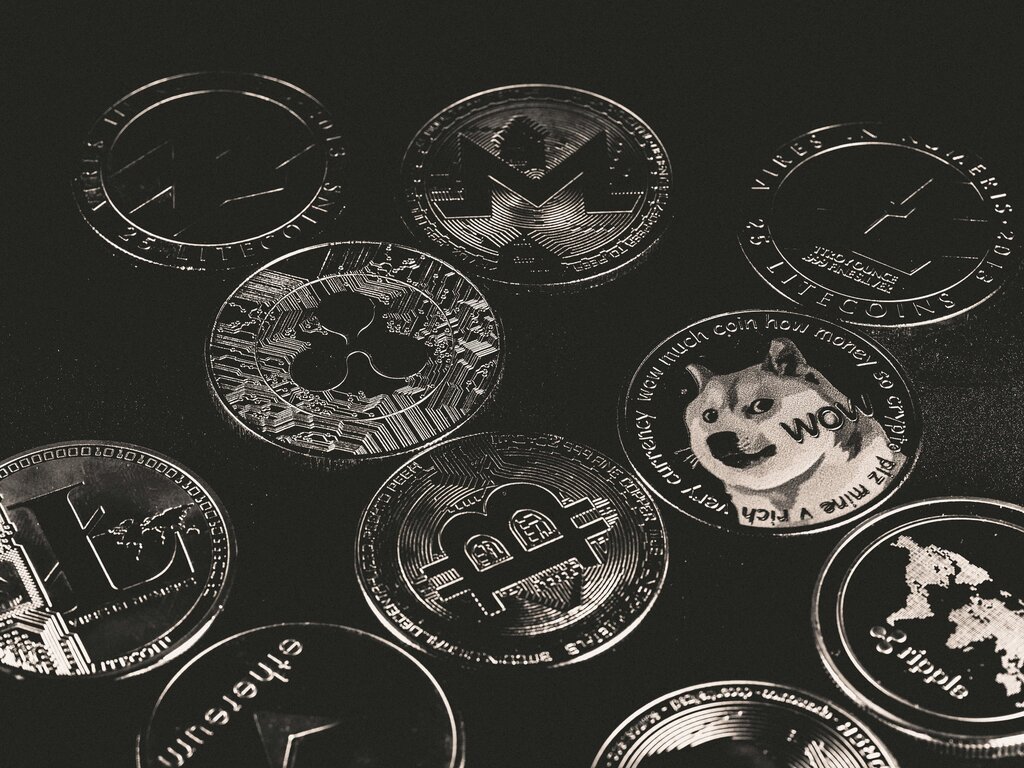
Think of it as digital cash that you can send directly to anyone, anywhere in the world, without needing a middleman. This opens up new possibilities for how we interact with money.
Cryptography
noun
The use of codes to secure information and communications, so that only those for whom the information is intended can read and process it.
The Technology Behind It
Cryptocurrencies run on a technology called blockchain. A blockchain is a distributed digital ledger, which is a fancy way of saying it’s a shared record book that’s duplicated and spread across a vast network of computers.
Imagine a public notebook that everyone can see but no one can change once something is written down. Every time a transaction happens, it's recorded as a "block" of data. This block is then linked to the previous block, forming a "chain." This structure makes the history of transactions permanent and transparent.
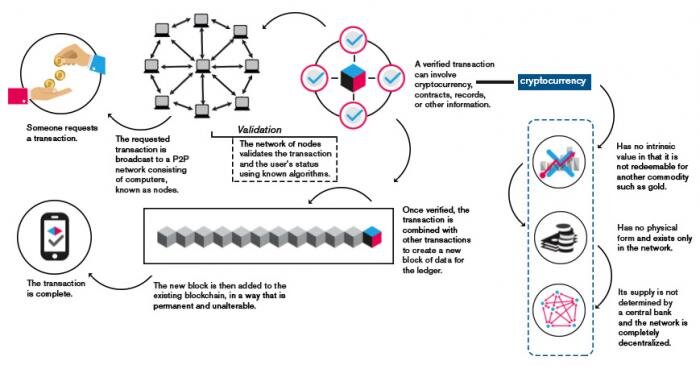
Because the ledger is shared across many computers, it's decentralized. No single person or group has control, which is what makes it so secure. To alter the blockchain, a hacker would need to control more than half of the computers in the network, which is practically impossible for large networks like Bitcoin's.
Two common ways this network is maintained are through mining and staking.
Mining: In cryptocurrencies like Bitcoin, powerful computers solve complex mathematical problems. The first one to find the solution gets to add the next block to the blockchain and is rewarded with new coins. This process is known as mining.
Staking: Other cryptocurrencies use a system called staking. In this model, participants lock up their coins to help validate transactions and secure the network. In return, they receive rewards, similar to earning interest in a savings account.
Coins vs. Tokens
Not all cryptocurrencies are the same. They generally fall into two categories: coins and tokens.
A coin operates on its own blockchain. Bitcoin () is a coin, and its transactions are recorded on the Bitcoin blockchain. Ethereum () is another example; it has its own native blockchain.
A token, on the other hand, is built on top of an existing blockchain. The Ethereum network is a popular platform for creating tokens. These tokens can represent anything from a share in a project to a concert ticket or loyalty points.
| Feature | Coin | Token |
|---|---|---|
| Blockchain | Has its own independent blockchain | Built on an existing blockchain (e.g., Ethereum) |
| Purpose | Primarily used as a form of money or store of value | Can represent assets, utility, or a share in a project |
| Example | Bitcoin (BTC), Litecoin (LTC) | Chainlink (LINK), Uniswap (UNI) |
Think of the Ethereum blockchain as a smartphone operating system, like iOS. Coins like Ether are the native currency needed to use the system. Tokens are like the apps you can build and run on that system.
How to Get Started
To interact with cryptocurrencies, you generally need two things: a wallet and access to an exchange.
Wallet
noun
A digital wallet that allows users to store and manage their cryptocurrencies. It holds the private keys needed to access and control the funds.
A crypto wallet doesn't actually store your coins. Instead, it holds your private keys, which are secret codes that prove ownership and allow you to make transactions. Wallets can be software-based (on your computer or phone) or hardware-based (a physical device like a USB drive).
An exchange is a marketplace where you can buy, sell, and trade cryptocurrencies. Think of it like a stock exchange, but for digital assets. You can use traditional money, like U.S. dollars, to buy cryptocurrencies like Bitcoin or Ethereum on these platforms.
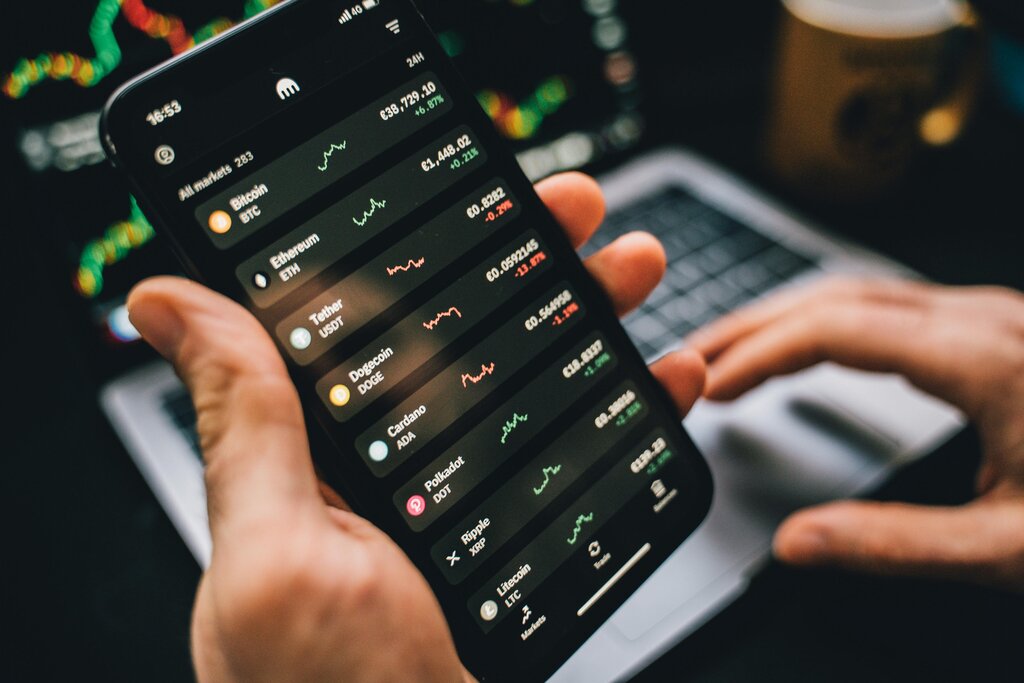
Now that you understand the basic building blocks, let's test your knowledge.
What is the primary technology that secures cryptocurrency and makes it difficult to counterfeit?
Bitcoin () has its own native blockchain, whereas a token like Shiba Inu () is built on the existing Ethereum blockchain. This means Bitcoin is a ______, and Shiba Inu is a ______.