Crypto Mastery for Young Explorers
Blockchain Ledger Mechanics
The Shared Ledger
Think about how a bank works. It keeps a private record, a centralized ledger, of every transaction. You trust the bank to maintain that ledger accurately. If the bank's records are wiped out, the financial history is gone.
A blockchain operates on a fundamentally different principle: a distributed ledger. Instead of one private book, there are thousands of identical copies of a public book. This ledger is shared across a network of computers, known as nodes. Every participant, or node, has a full copy of the entire ledger. When a new transaction occurs, it's broadcast to the network, and every node updates its copy.
This isn't just a backup system. It's a system of shared consensus. The ledger is only updated when the majority of nodes agree that a transaction is valid.

Anatomy of a Block
This shared ledger is built from individual records called blocks. Each block is like a page in the ledger, containing a bundle of recent transactions. But a block holds more than just transaction data. It has three essential components.
- Transaction Data: This is the core content. It's a list of all the transactions that have been verified and bundled into this block.
- Hash: A unique, fixed-length string of characters that serves as the block's digital fingerprint. It's generated from all the data inside the block. If even a single character in the transaction data changes, the hash changes completely.
- Previous Hash: This is the hash of the block that came immediately before it in the chain. This is the crucial link that connects everything.
Forging the Chain
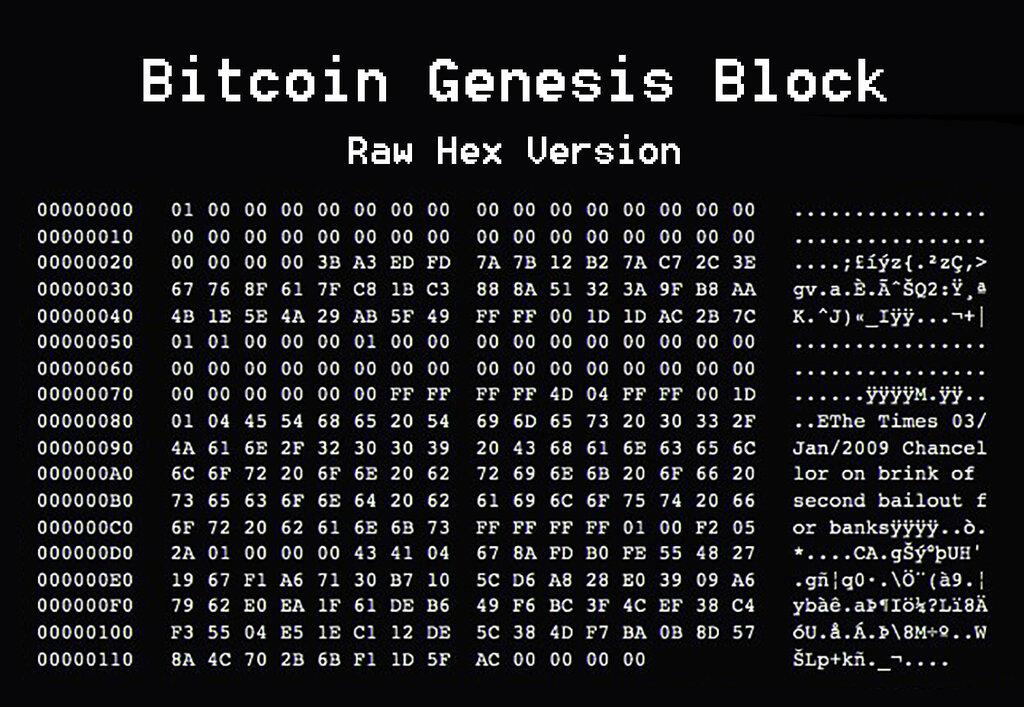
The 'Previous Hash' is what turns a list of blocks into a blockchain. Each new block points back to the one before it by including its hash. This creates a chronological and unbreakable chain stretching back to the very first block, known as the Genesis Block.
This structure makes the ledger immutable, or unchangeable. Imagine someone tries to alter a transaction in an old block, say Block 10. The moment they change the data, the hash for Block 10 changes. But Block 11 contains the original hash for Block 10. The new, altered hash of Block 10 no longer matches the 'Previous Hash' stored in Block 11. The chain is broken.
To make the change stick, the attacker would have to recalculate the hash for Block 10, then Block 11, then Block 12, and so on, all the way to the present, faster than the rest of the network is adding new blocks. This is computationally almost impossible. The ledger is not tamper-proof, but it is tamper-evident. Any change is immediately obvious to everyone on the network.
Because the ledger is distributed, all nodes can see this discrepancy. They would simply reject the altered chain and continue working from the last valid version. This consensus mechanism, combined with the cryptographic chain of hashes, is what secures the network without needing a central authority.
At its most basic level, a blockchain is a digital ledger maintained by a decentralized network of computers.
Let's check your understanding of these core mechanics.
How does a blockchain's distributed ledger fundamentally differ from a traditional bank's centralized ledger?
What is the primary role of the 'Previous Hash' component within a block?
Understanding how the ledger is built and secured is the foundation for everything else in the world of cryptocurrency.