Crypto Landscape Deep Dive
Crypto Categories Defined
Not All Crypto is the Same
You already know that not all traditional currencies are equal. A dollar is different from a yen, which is different from a peso. They have different values, backing, and uses. Digital assets are even more diverse. Beyond Bitcoin, thousands of other cryptocurrencies exist, each designed with a specific purpose in mind. Understanding these categories is key to seeing the bigger picture of the crypto ecosystem.
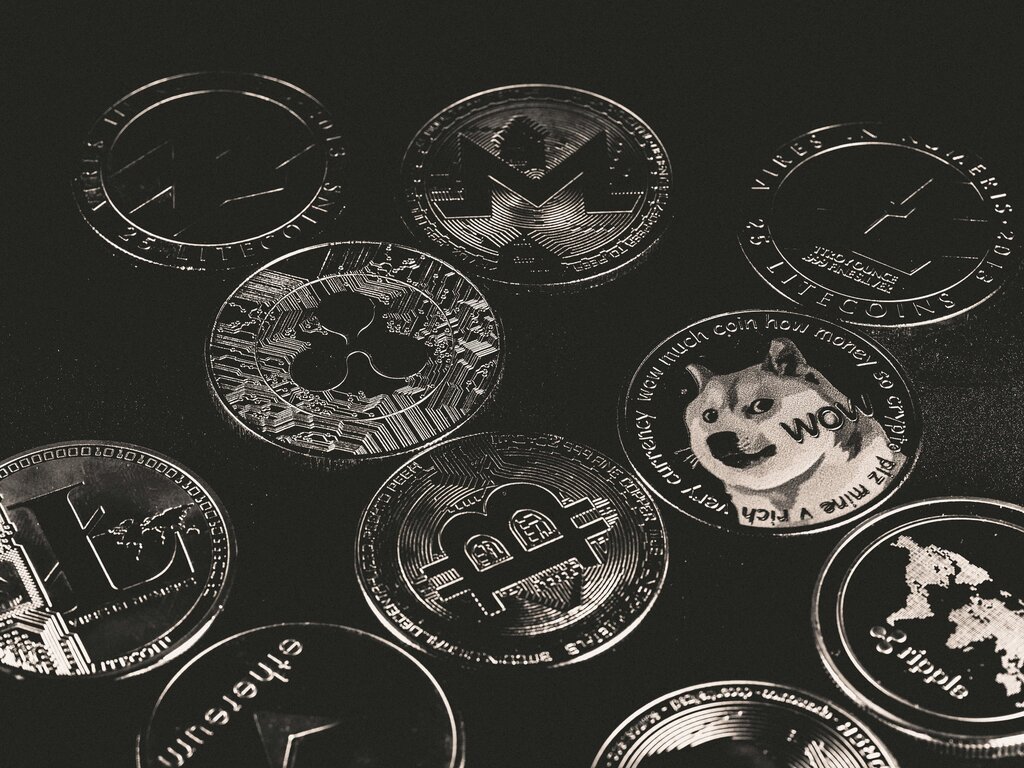
The term for any cryptocurrency that isn't Bitcoin is an . It's a simple, catch-all term, but the assets it describes are anything but simple. Some altcoins aim to be a better version of Bitcoin, perhaps by offering faster transaction speeds or lower fees. Litecoin is a classic example of this, often called the "silver to Bitcoin's gold."
Other altcoins introduce entirely new capabilities. Ethereum, for instance, wasn't created to be just a digital currency. It was designed as a global computing platform that allows developers to build and run decentralized applications, or "dapps," using smart contracts. This programmability is what sets it apart and has made it the foundation for thousands of other crypto projects.
Tokens with a Job to Do
Many assets built on platforms like Ethereum aren't trying to be currencies at all. They're called tokens, and they often function more like digital keys or access passes than money. These fall into a few key categories.
Utility tokens give users access to a specific product or service within a particular ecosystem. Think of them like arcade tokens or in-game credits. You buy them not as an investment, but to use them for their intended function, like paying for cloud storage on a decentralized network or voting on proposals in a project.
Then there are . These are entirely different. A security token is a digital representation of ownership in an asset, like company stock, real estate, or a piece of art. Because they represent an investment in an enterprise with the expectation of profit, they are subject to federal securities regulations. This brings a level of investor protection and legal clarity not typically found with other types of crypto.
To ensure all these different tokens can work together on a single blockchain, developers use token standards. A standard is a set of rules that governs how a token is created and how it functions. The most famous is on the Ethereum blockchain. By following the ERC-20 standard, a new token is instantly compatible with dozens of existing wallets, exchanges, and applications, which greatly simplifies its adoption.
Specialized Coins
Beyond the broad categories of altcoins and tokens, some cryptocurrencies are designed for very specific purposes, like stability or privacy.
Stablecoin
noun
A type of cryptocurrency whose value is pegged to another asset, like a fiat currency (e.g., the U.S. dollar) or a commodity (e.g., gold), to maintain a stable price.
Volatility is a major characteristic of most cryptocurrencies. Prices can swing dramatically in a short period. Stablecoins like Tether (USDT) and USD Coin (USDC) were created to solve this problem. They aim to hold a steady value, typically $1, by holding an equivalent amount of real-world assets in reserve. This makes them useful for trading, lending, and as a reliable medium of exchange within the crypto world.
On the other end of the spectrum are privacy coins. While many believe blockchains like Bitcoin are anonymous, they are actually pseudonymous. All transactions are public, and with enough analysis, they can often be traced back to real-world identities. Privacy coins like Monero and Zcash use advanced cryptography to obscure transaction details, including the sender, receiver, and amount. This provides a level of financial privacy that is not possible on more transparent blockchains.
| Category | Primary Goal | Example(s) |
|---|---|---|
| Altcoin | Improve on or offer an alternative to Bitcoin | Ethereum, Litecoin |
| Stablecoin | Maintain a stable price by pegging to an asset | USDT, USDC |
| Privacy Coin | Conceal transaction data for user privacy | Monero, Zcash |
| Utility Token | Provide access to a specific product or service | Basic Attention Token (BAT) |
| Security Token | Represent ownership of a real-world asset | tZERO, Polymath |
Knowing whether you're looking at a coin or a token helps you figure out what exactly you’re investing in – are you backing infrastructure (coins) or services and applications (tokens)? It’s kind of like investing in roads vs the cars that drive on them.
Now that you can distinguish between the different types of digital assets, let's test your knowledge.
What is the general term for any cryptocurrency that is not Bitcoin?
A digital asset that represents ownership of a real-world asset, like a piece of real estate or company stock, is best classified as a:
Each category of digital asset, from platform-powering altcoins to rule-bound security tokens, plays a distinct role. Understanding their purpose is the first step to navigating the complex and fascinating world of crypto.