Crypto Fundamentals Explained
Introduction to Cryptocurrencies
What Is Cryptocurrency?
At its heart, a cryptocurrency is digital money. Think of it as cash that exists only on the internet. Its main purpose is to allow people to send payments directly to each other online, securely and without needing a bank or financial institution to approve the transaction.
This security comes from cryptography, the practice of using advanced math to protect information. It's what puts the "crypto" in cryptocurrency. Every transaction is scrambled into a complex code, making it extremely difficult to tamper with.
cryptocurrency
noun
A digital or virtual currency that uses cryptography for security and operates independently of a central bank.
No Banks, No Problem
The traditional financial system is centralized. When you send money to a friend using a banking app, the bank acts as a trusted middleman. It verifies you have the funds, deducts the amount from your account, and credits it to your friend's account. The bank is the central authority in charge.
Cryptocurrencies are decentralized. There is no central authority like a bank or government. Instead, transactions are verified by a network of computers around the world. This allows for peer-to-peer transactions, where you can send funds directly to anyone, anywhere, as easily as sending an email. It removes the need for a middleman to process and approve the transfer.
Decentralization means control is spread out among many participants, not concentrated in one single entity.
The First of Its Kind
The idea of digital cash had been around for a while, but it always hit a major snag: the "double-spending problem." How could you stop someone from spending the same digital dollar twice? In 2008, a person or group using the name Satoshi Nakamoto solved this problem.
Nakamoto published a paper outlining a system for a new kind of electronic cash called Bitcoin. It was the first decentralized cryptocurrency, and it laid the groundwork for the thousands that have followed.
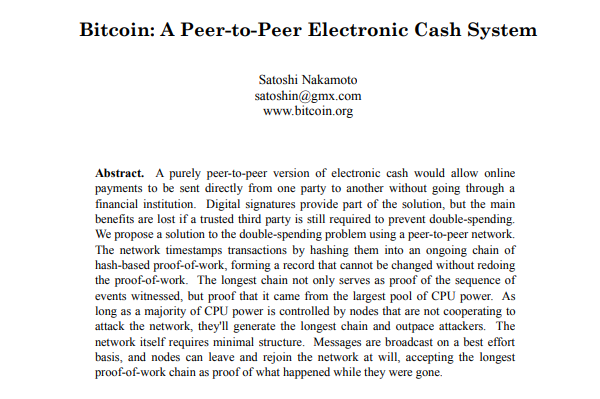
This breakthrough allowed for a secure, peer-to-peer currency that didn't need a central server or company to keep track of everything.
Your Digital Keys
To use cryptocurrency, you need two things: a public key and a private key.
Think of your public key like your bank account number. It’s an address that you can share with others so they can send you funds. It’s generated from your private key, but it's impossible to reverse-engineer your private key from it.
Your private key is like your account password or PIN. It's a secret code that proves you are the owner of the funds associated with your public key. You use it to "sign" or authorize transactions you send to others.
Never share your private key with anyone. If someone gets your private key, they have full control of your cryptocurrency.
This key system is what makes cryptocurrency transactions secure. Only the person with the private key can access and spend the funds.
A Place for Your Coins
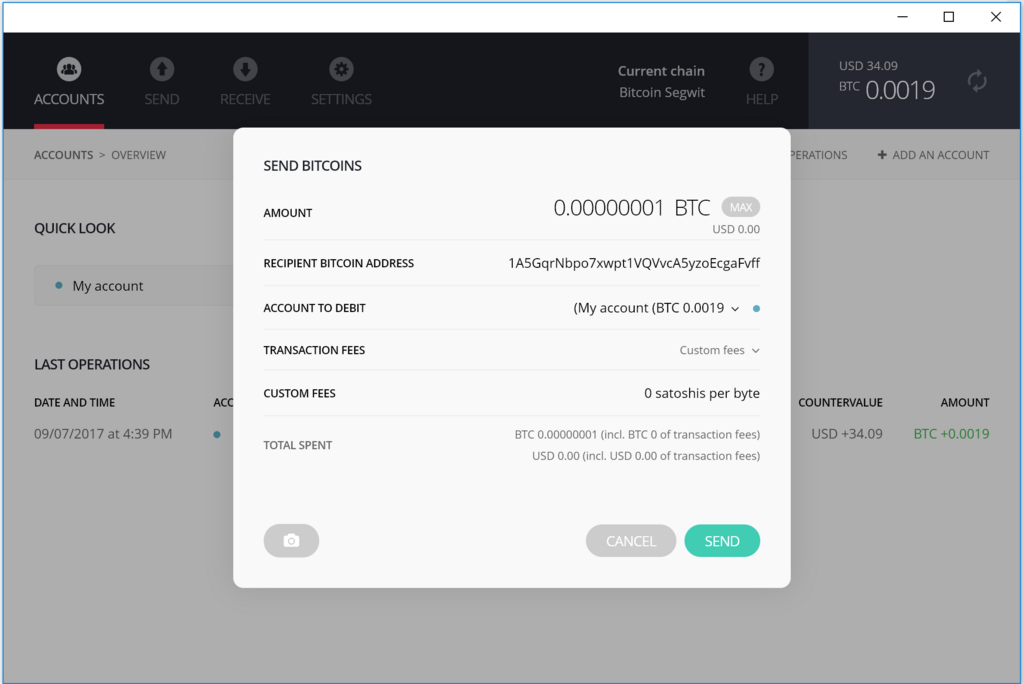
So, where do you keep these keys? In a cryptocurrency wallet. A wallet is a digital tool—it can be software on your computer or phone, or a physical hardware device—that interacts with the cryptocurrency network.
It’s a common misconception that wallets "store" your coins. Your cryptocurrency always exists on its public network. A wallet's main job is to securely store your private keys and make it easy for you to send and receive digital currency.
Now that you understand the basics, let's test your knowledge.
What is the primary purpose of a cryptocurrency?
What does it mean for a cryptocurrency to be "decentralized"?