Crypto for the Digital Generation
Decentralized Ledger Mechanics
The World's Shared Notebook
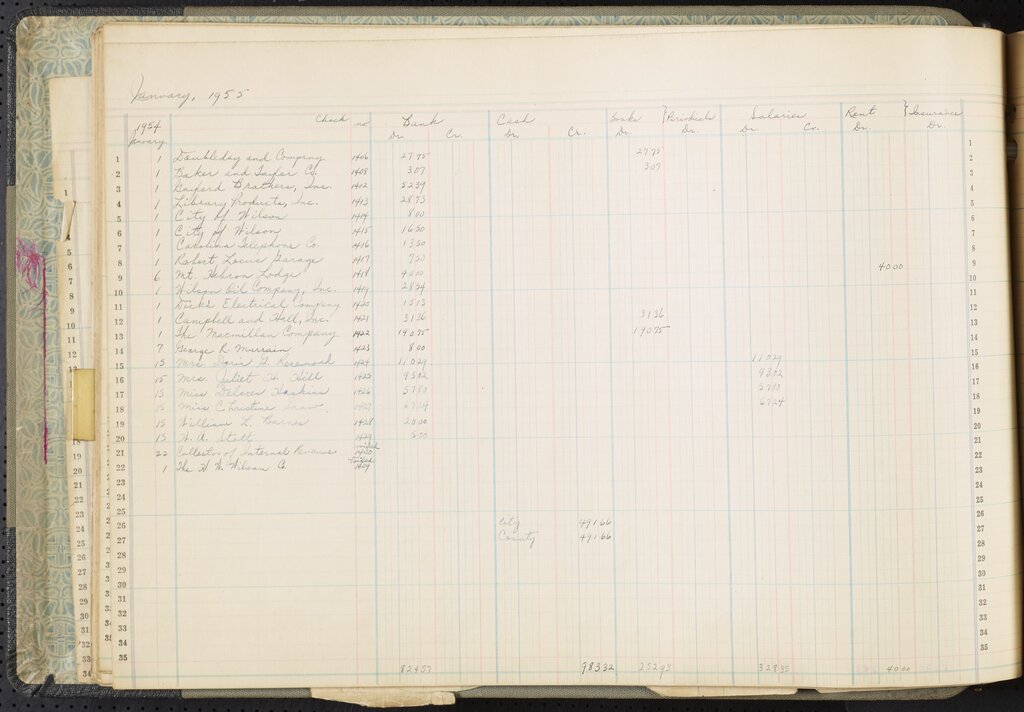
Think about how a bank keeps track of your money. They have a central ledger, which is like a single, master notebook that records every transaction. Only the bank can write in it, and everyone has to trust that they're keeping it accurately. If that one notebook gets lost or someone makes a mistake, it can cause big problems.
Blockchain flips this idea on its head. Instead of one private notebook, it uses a distributed ledger. Imagine a notebook that is automatically copied and shared with thousands of people around the world. Every time a new transaction happens, everyone's copy is updated at the same time.
This network of computers, called peers, all work together to maintain the ledger. There's no single person or company in charge. This is decentralization. Everyone has a copy, and everyone can see what's going on. It’s like a group chat where every message is seen by everyone, and no one can secretly delete what's been said.
Blocks in the Chain
So how does this shared notebook actually get written? Transactions aren't added one by one. Instead, they are bundled together into a 'block'. Think of a block as a single page in our digital notebook.
Each block contains a list of recent transactions, a timestamp showing exactly when it was created, and a special piece of data that links it to the previous block. This link is the key to what makes a blockchain so secure.
Hash
noun
A unique, fixed-length string of characters generated from a piece of digital data. A tiny change in the data creates a completely different hash.
The link between blocks is a cryptographic hash. You can think of a hash as a unique digital fingerprint for the data inside a block. If you change even one tiny detail in the block, its hash changes completely.
Each new block contains the hash of the block that came before it. This creates a chain of blocks, linking all the way back to the very first one. This structure is what gives blockchain its name.
Permanent and Public
This chain structure makes the ledger incredibly secure and trustworthy. It achieves two important properties: immutability and transparency.
Immutability means that once a block is added to the chain, it's practically impossible to change or remove. If a hacker wanted to alter a transaction in an old block, they would have to change that block's hash. But since that hash is part of the next block, they'd have to change that one too. And the next one, and so on, all the way to the end of the chain. They would have to do this faster than new blocks are being added, and convince more than half of the entire network that their fake chain is the real one. It's an almost impossible task.
A blockchain is a decentralized digital ledger that records transactions across many computers so that the record cannot be altered retroactively without the alteration of all subsequent blocks and the consensus of the network.
Transparency means that (on most public blockchains) anyone can view the entire ledger. You can see every transaction that has ever happened. While the real identities of the people are usually hidden behind anonymous addresses, the flow of funds is open for all to see. This complete history, verified by the entire network, builds trust without needing a central authority like a bank.
Ready to check your understanding of how this all works?
How does a blockchain ledger fundamentally differ from a traditional bank's ledger?
What is a 'block' in a blockchain?
The core of blockchain is this simple but powerful idea: a shared, linked, and permanent record that an entire community maintains together. It creates a system where trust is built into the technology itself.