Crypto Day Trading with High Probability
Introduction to Cryptocurrency Markets
What Is Cryptocurrency?
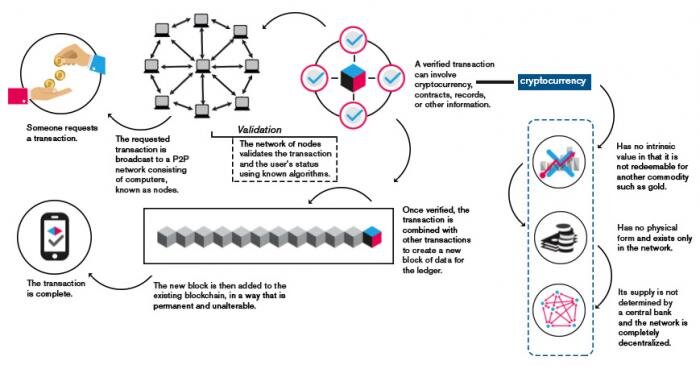
At its core, a cryptocurrency is a digital or virtual token that uses cryptography for security. Unlike traditional currencies issued by governments (like the U.S. dollar), most cryptocurrencies are decentralized. This means they aren't controlled by any single entity, like a bank or government.
This is possible because of a technology called blockchain, which is a distributed ledger maintained by a network of computers. Think of it as a shared digital checkbook that everyone can see but no one can alter without agreement from the network. Every transaction is a "block" that gets added to the "chain," creating a permanent and transparent record.
The first and most famous cryptocurrency, Bitcoin, was created in 2009. It introduced the world to the idea of a secure, peer-to-peer electronic cash system. Since then, thousands of other cryptocurrencies, often called altcoins, have emerged, each with different features and purposes.
Where Trading Happens
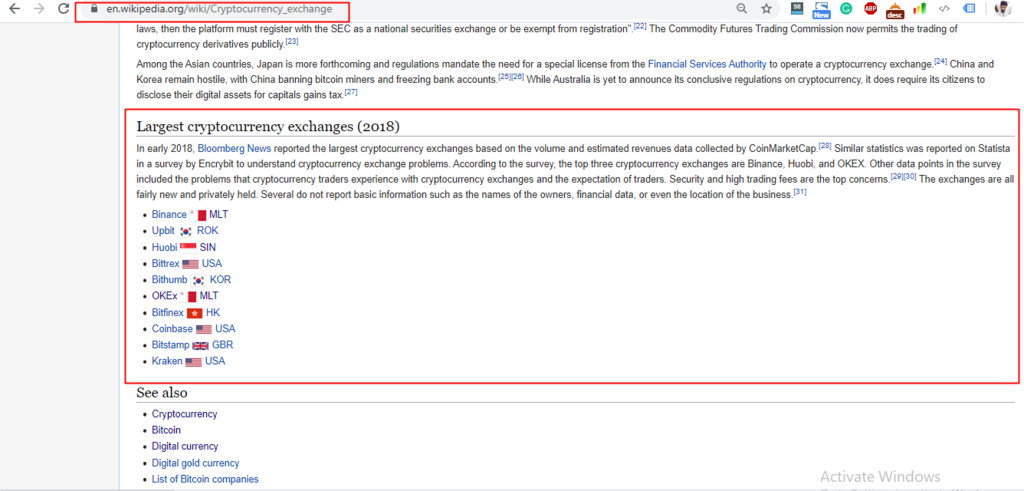
Cryptocurrencies are bought and sold on specialized platforms called exchanges. These are digital marketplaces where you can trade one cryptocurrency for another, or for traditional currencies like dollars or euros. Exchanges act as intermediaries, connecting buyers with sellers and facilitating transactions.
They function much like traditional stock exchanges, providing the infrastructure for trading. You can see real-time price charts, place orders to buy or sell, and store your digital assets in a wallet provided by the exchange. Some of the largest and most well-known exchanges include Coinbase, Binance, and Kraken. These platforms serve millions of users around the world, creating a global market that operates 24/7.
The Players in the Game
The cryptocurrency market is made up of a diverse group of participants, but they can generally be sorted into two main categories: retail and institutional investors.
Retail investors are individuals like you and me. They typically invest their own money and trade in smaller amounts. Their motivations can range from a belief in the long-term potential of a technology to short-term speculation on price movements. The rise of user-friendly trading apps has made it easier than ever for retail investors to participate in the market.
Institutional investors are large organizations that manage money on behalf of others. This includes hedge funds, investment banks, pension funds, and large corporations. They trade in much larger volumes, and their decisions can have a significant impact on the market. The growing involvement of institutional investors is often seen as a sign of the crypto market's increasing maturity.
What Moves the Market
Cryptocurrency prices are notoriously volatile. They can swing dramatically in short periods. These price movements are driven by a variety of factors.
Supply and Demand This is the most basic economic principle at play. If demand for a cryptocurrency increases faster than its supply, the price will go up. Many cryptocurrencies, like Bitcoin, have a limited total supply. This scarcity can drive up value if demand continues to grow.
Regulatory News Because the crypto world is still relatively new, it's sensitive to news about government regulations. A country announcing a ban on crypto trading can cause prices to fall. On the other hand, positive news, like the approval of a new crypto-based financial product, can send prices soaring.
Technological Developments Innovations and updates to a cryptocurrency's underlying technology can also affect its price. A successful network upgrade that makes a cryptocurrency faster or more secure can increase investor confidence and drive up its value. Conversely, news of a security flaw or a failed update can have the opposite effect.
Understanding these fundamentals helps traders differentiate between promising projects and speculative “pump-and-dump” schemes.
Ready to check your understanding of the crypto market's basics?
What is the underlying technology that allows most cryptocurrencies to be decentralized, creating a shared and immutable public ledger?
A large pension fund decides to allocate a portion of its capital to Bitcoin. This action would classify the fund as which type of market participant?
Grasping these core concepts—what cryptocurrencies are, where they're traded, who is involved, and what influences their price—provides a solid foundation for navigating this dynamic market.