Crypto and Tokenization Your Financial Future
Introduction to Cryptocurrency
What Is Cryptocurrency?
At its heart, a cryptocurrency is digital money. Think of it like the cash in your bank account, which you mostly see as numbers on a screen, but with a few key differences. It exists only in digital form and uses cryptography to secure transactions.
Cryptography is the practice of secure communication, using codes so that only the intended recipients can read and process the information. This makes crypto transactions very hard to fake or alter.
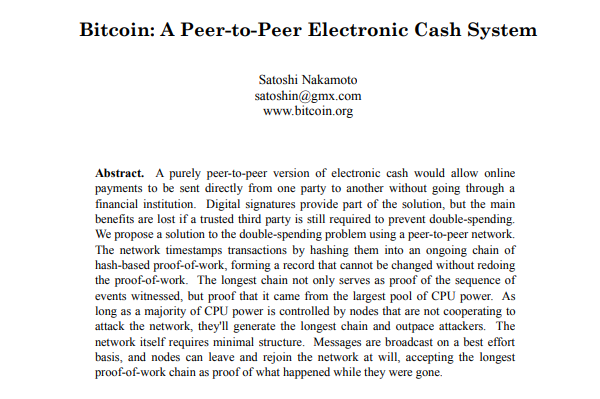
The main goal of most cryptocurrencies is to create a secure, decentralized way to exchange value without needing a middleman like a bank or a government. This idea of a peer-to-peer electronic cash system was the original vision for Bitcoin, the first and most well-known cryptocurrency.
A Quick History
The idea of digital cash isn't new. In the 1980s and 90s, computer scientists experimented with concepts like DigiCash, but these early attempts were centralized, meaning they still relied on a single company to manage them. They never truly caught on.
Everything changed in 2008 when a person or group using the name Satoshi Nakamoto published the Bitcoin white paper. In early 2009, the Bitcoin network came online, creating the first truly decentralized digital currency. It solved a tricky problem called "double-spending" without needing a central authority, which was a major breakthrough.
Double-spending is like trying to spend the same dollar bill twice. It's easy to prevent with physical cash, but it's a challenge for digital money. Bitcoin's design was the first to solve it in a decentralized way.
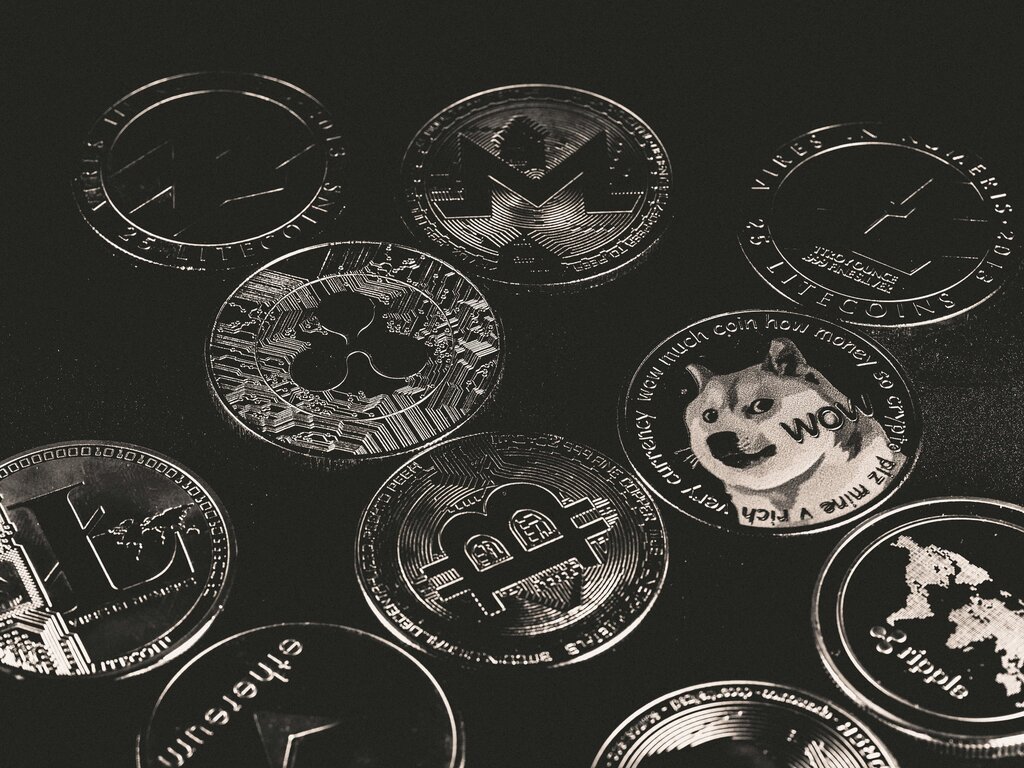
After Bitcoin's success, thousands of other cryptocurrencies, often called "altcoins," were created. Some, like Litecoin, aimed to be a faster, "lighter" version of Bitcoin. Others, like Ethereum, introduced new capabilities, such as running self-executing contracts called "smart contracts."
Crypto vs. Fiat Currency
So how is something like Bitcoin different from traditional money, like the U.S. dollar or the Euro? These government-issued currencies are called "fiat" currencies. The key differences come down to control, supply, and form.
| Feature | Cryptocurrency | Fiat Currency |
|---|---|---|
| Issuer | Decentralized (no single issuer) | Government & Central Bank |
| Form | Purely Digital | Physical (coins/notes) & Digital |
| Control | Governed by code and consensus | Central authorities (banks) |
| Supply | Often finite (e.g., 21M Bitcoin) | Unlimited (can be printed) |
| Verification | Peer-to-peer network | Banks and payment processors |
Decentralization is the biggest distinction. With fiat money, a central bank can print more money or freeze accounts. With most cryptocurrencies, these decisions are made by the community of users or are baked into the code itself. This gives users more control but also comes with its own set of risks and responsibilities.
The Good and the Bad
Like any technology, cryptocurrencies have both benefits and challenges. Understanding both sides is key.
On the plus side, decentralization means no single entity can control your funds or censor transactions. This can be powerful for people in countries with unstable governments or financial systems. Transactions can also be faster and cheaper, especially across borders, as they cut out the usual banking intermediaries.
However, this freedom comes with challenges. The value of cryptocurrencies can be extremely volatile, with prices swinging wildly in short periods. This makes them risky as a stable store of value.
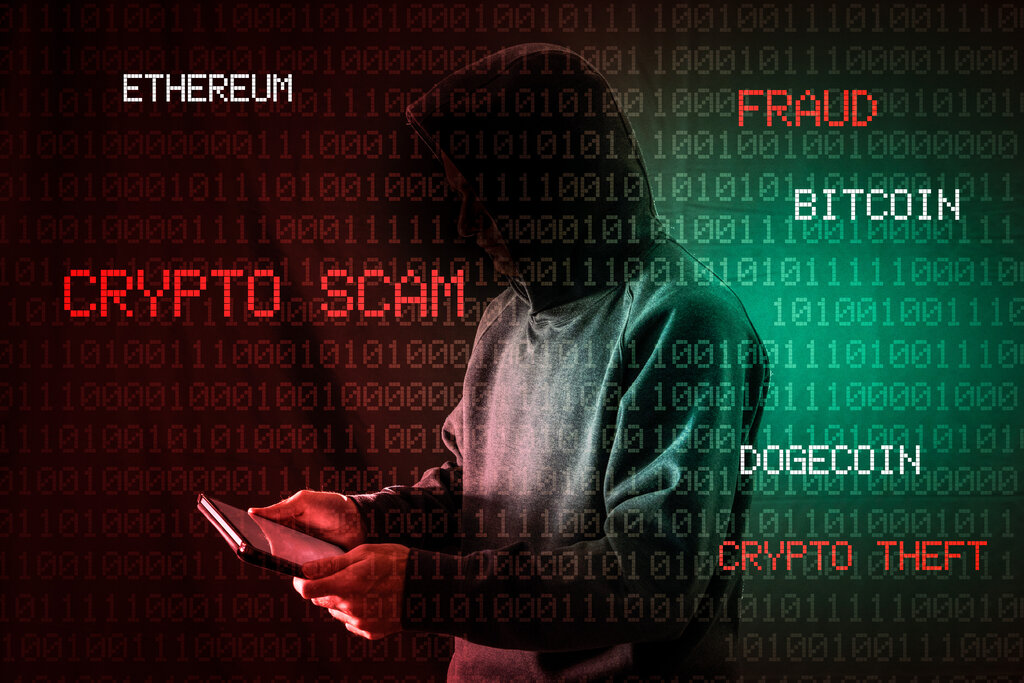
Security is another double-edged sword. While the networks themselves are very secure, you are your own bank. If you lose the secret password (your "private key") to your crypto, your funds are gone forever. There's no customer service line to call. Finally, governments around the world are still figuring out how to regulate cryptocurrencies, creating an uncertain legal landscape.
What is the primary goal of most cryptocurrencies, as exemplified by Bitcoin's original vision?
Who is the pseudonymous creator (or creators) of Bitcoin, responsible for publishing the white paper in 2008?
Cryptocurrency presents a new way of thinking about money, one that is digital, global, and not controlled by any single entity. While it offers exciting possibilities, it's also a complex and evolving field with significant risks.