Crude Oil to Gas Pump Pricing Dynamics
Asymmetric Price Transmission
Rockets and Feathers
You’ve probably noticed it at the pump. When the price of crude oil spikes, the price of gasoline seems to shoot up overnight. But when crude oil prices fall, the price at the pump drifts down slowly, like a feather in the wind. This isn't just your imagination; it's a well-documented economic phenomenon known as asymmetric price transmission, or more vividly, the "rockets and feathers" effect.
The data confirms this asymmetry. A sudden increase in crude oil costs can take just 1-4 weeks to fully reflect in retail gasoline prices. In contrast, a decrease of the same magnitude often takes 6-8 weeks to pass through to consumers. This lag means that for a period of time, gas stations are enjoying wider profit margins. But why does this happen? The reasons are a mix of business strategy and consumer psychology.
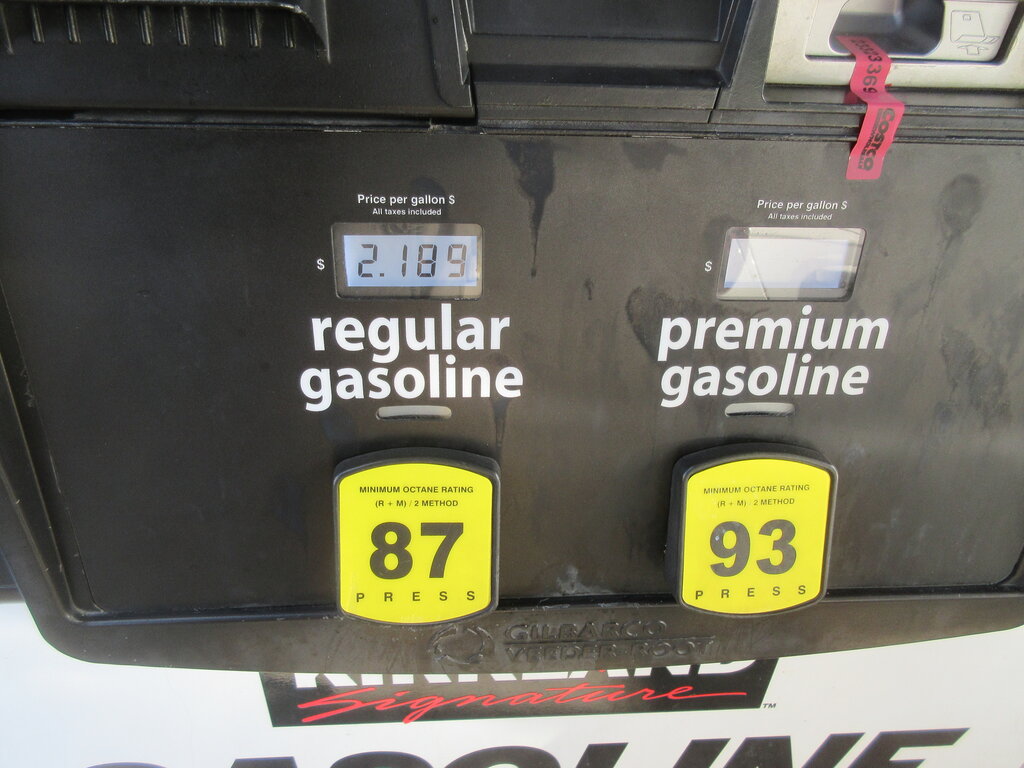
What Goes Up, Stays Up
One of the primary drivers is consumer behavior, specifically something economists call search costs The idea is simple: it takes time and effort to find the best price. When gas prices are rocketing up, you're highly motivated to drive an extra block or use an app to find the cheapest station. This increased searching puts pressure on retailers to keep their prices competitive. Any station that raises prices too quickly risks losing customers to a cheaper rival down the street.
When prices are falling, however, that urgency evaporates. Consumers feel relief, not pressure. We're less likely to invest the effort to find the absolute lowest price when all prices are trending down. Retailers know this. With less competitive pressure from shoppers, they have less incentive to quickly pass on their own cost savings. They can let prices drift down slowly, enjoying healthier margins on the way.
Essentially, falling prices reduce our motivation to shop around, giving sellers the power to slow the descent.
A Coordinated Slowdown
The structure of the retail fuel market also plays a huge role. In many areas, a handful of large companies own most of the gas stations. This type of market is an While outright price-fixing is illegal, these firms are highly aware of each other's actions. This can lead to a form of unspoken, or tacit, collusion.
When crude prices fall, no single retailer has a strong incentive to be the first to slash prices. Doing so would trigger a price war, eroding the wider profit margins everyone is enjoying. It's safer for each firm to watch its competitors and lower prices gradually and in tandem. This informal coordination helps maintain higher prices for longer. The opposite is true when costs rise; the first station to raise its price signals to others that the period of high margins is over, and the rest quickly follow suit to avoid selling at a loss.
Finally, there are inventory costs to consider. A gas station's storage tanks hold fuel that was bought at a previous price. When wholesale prices shoot up, retailers quickly raise pump prices to what it will cost to replace their inventory, protecting their future margins. When wholesale prices fall, however, they are more reluctant to drop pump prices below the cost of the more expensive fuel they still have in their tanks. They prefer to sell off the older, pricier inventory first before lowering prices, further contributing to the lag.
Energy prices matter because they impact the price of many goods and services.
The rockets-and-feathers phenomenon is a clear example of how market structure and consumer psychology create pricing patterns that don't always seem straightforward. It's a system where the incentives are aligned for rapid increases and slow declines, leaving consumers to feel the pinch at the pump.
Ready to test your understanding?
The "rockets and feathers" phenomenon in gasoline pricing refers to which observation?
According to economic theory, why are consumers more likely to actively search for lower gas prices when prices are rising compared to when they are falling?