Cromer Norfolk Fishing Heritage
Introduction to Cromer
Gem of the Norfolk Coast
Perched on the edge of the North Sea in Norfolk, England, is the coastal town of Cromer. It's a place defined by its dramatic cliffs, a famous Victorian pier, and streets lined with traditional flint buildings. For centuries, the town has looked to the sea, its fortunes rising and falling with the tides.
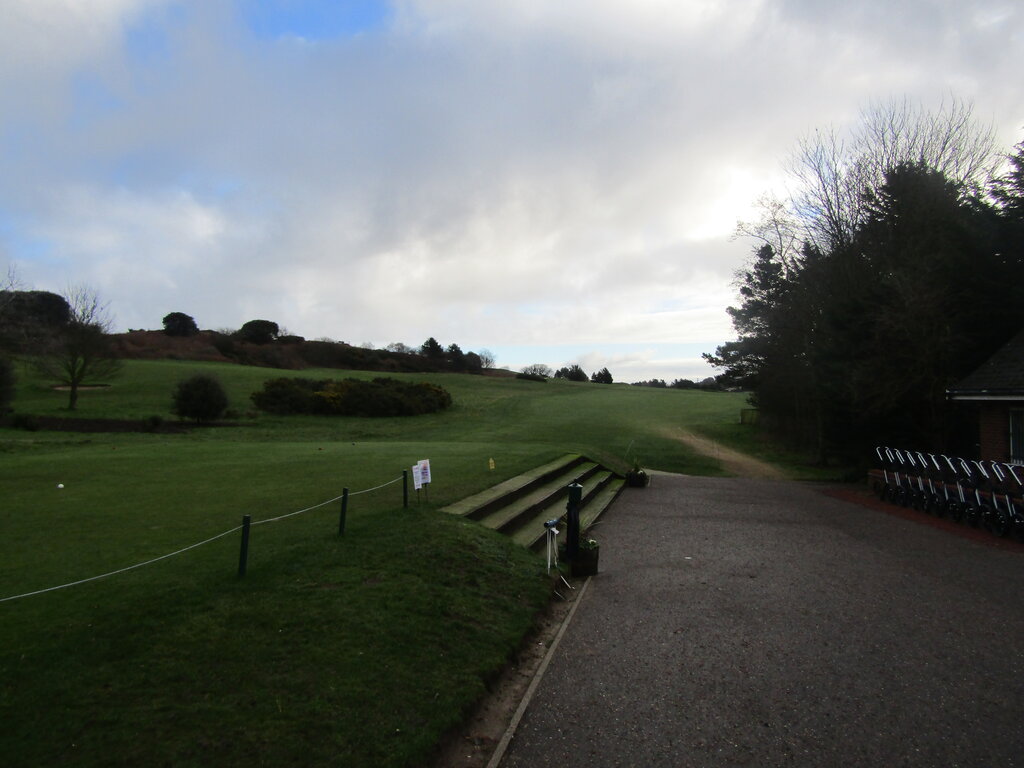
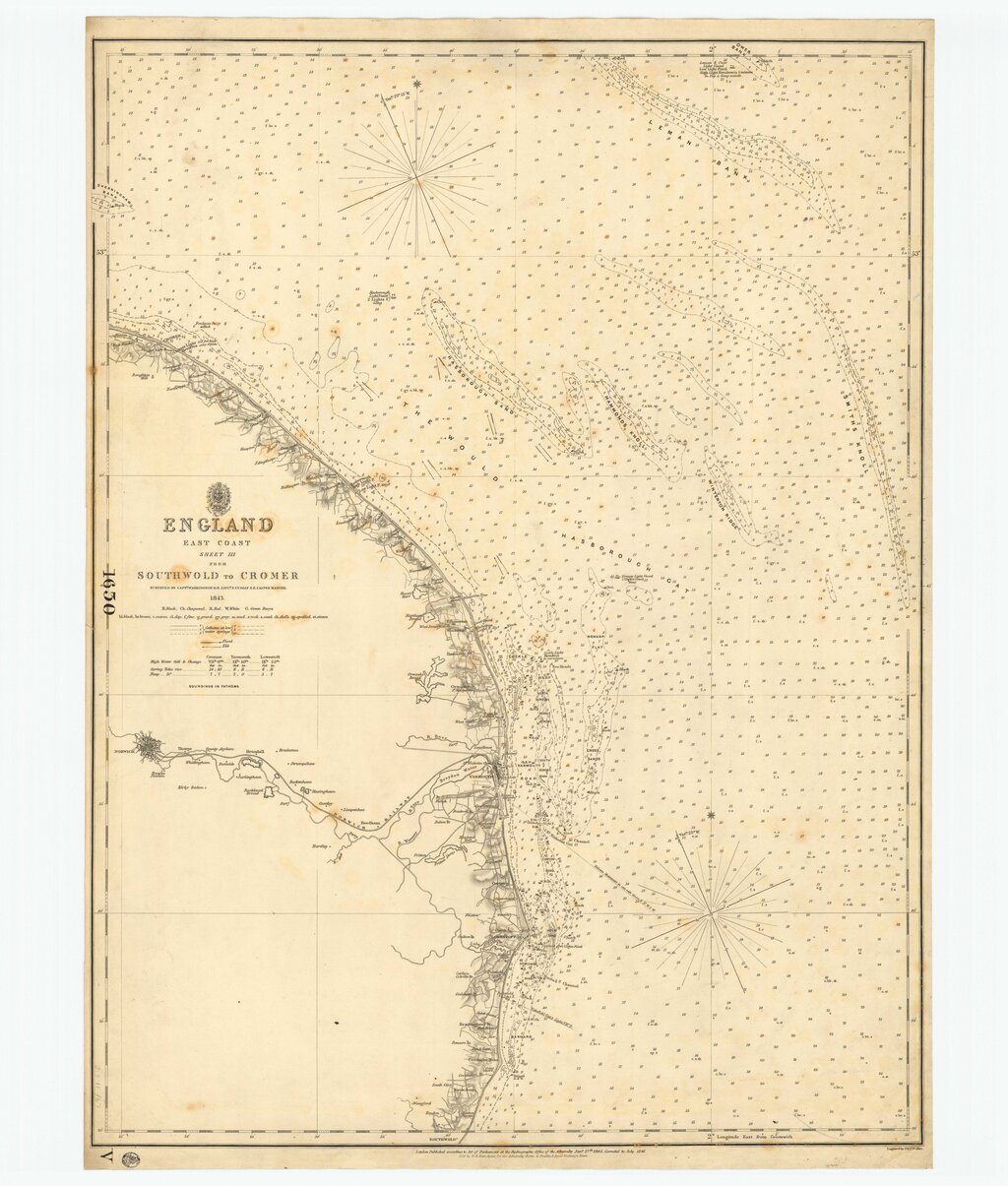
Cromer's story begins as a small fishing settlement, one of several villages clustered along this stretch of coast. For much of its early history, it was a quiet, hardworking community, relatively isolated and shaped by the challenging coastal environment. Historical records show a town battling coastal erosion, with an earlier settlement known as Shipden lost to the sea centuries ago.
A Victorian Transformation
Everything changed in the 19th century with the arrival of the railway. Suddenly, Cromer was connected to the rest of the country, and it quickly became a fashionable destination for wealthy Victorians seeking fresh sea air and refined leisure. They were drawn by the town's reputation for healthy, bracing air, a concept promoted by London doctors at the time.
This influx of tourism sparked a building boom. Grand hotels were erected along the clifftops, and elegant villas appeared throughout the town. The iconic pier, first built in 1822 and later reconstructed, became the centerpiece of this new resort culture, hosting promenades and entertainment.
A Lasting Fishing Heritage
Despite its success as a resort, Cromer never lost its identity as a fishing town. The two industries grew side-by-side. The town's lifeblood has always been its connection to the sea, most famously through its fishing fleet and its prized catch: the Cromer crab.
flint
noun
A hard, sedimentary form of the mineral quartz, found in chalk or limestone deposits. It is often used as a building material in the Norfolk region.
The Cromer crab is celebrated for its tender, sweet meat, a quality attributed to the crab's slow growth in the nutrient-rich waters of the local chalk reef. This unique geological feature, the longest of its kind in Europe, provides an ideal habitat. Fishing for these crabs is a tradition passed down through generations, and the small, colorful boats of the Cromer fleet are a common sight on its beaches.
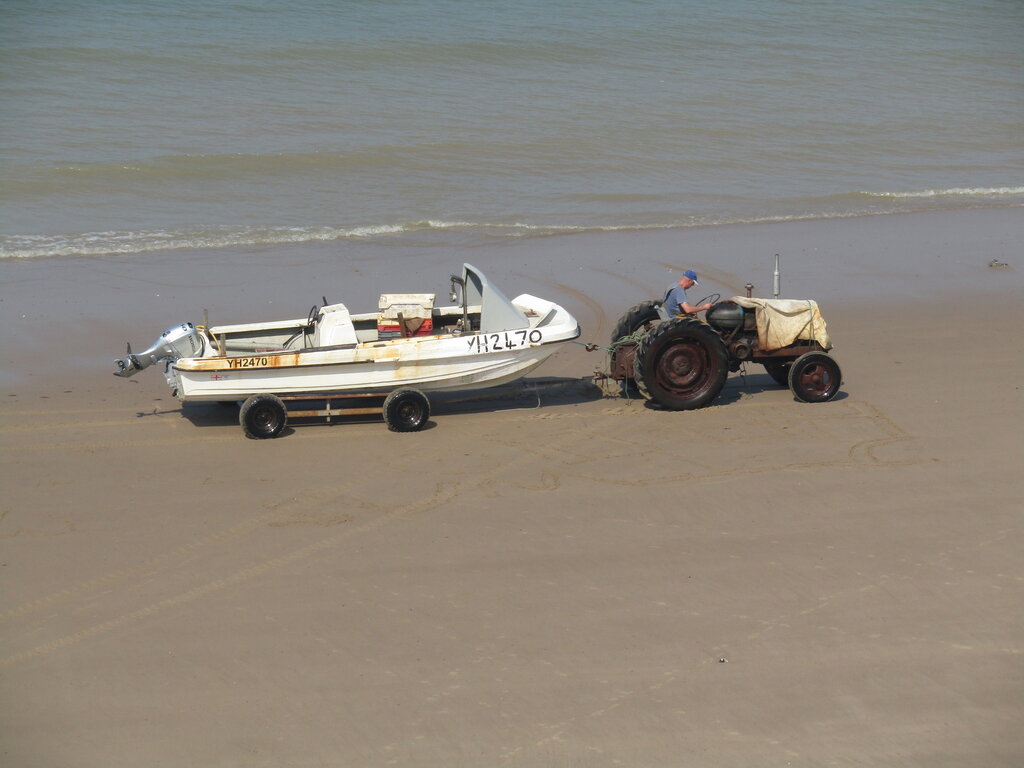
Today, Cromer balances its roles as a popular holiday spot and a working fishing town. Visitors come for the sandy beaches, the pier's variety show, and the coastal walks, but they also come for a taste of its most famous export, a direct link to the town's enduring maritime soul.
What major 19th-century development was most responsible for transforming Cromer into a fashionable seaside resort?
The prized Cromer crab gets its celebrated sweet and tender meat primarily from its slow growth in what unique local environment?