Crohn's Disease Management in Japan
Japanese CD Characteristics
A Different Picture of Crohn's
Crohn's disease (CD) was once considered rare in Japan. However, its incidence and prevalence have been rising steadily over the past few decades, mirroring trends seen earlier in Western countries. While the overall numbers are still lower than in North America and Europe, the rapid increase points to significant environmental shifts interacting with a distinct genetic background.
This unique interplay of genes and environment shapes how the disease manifests in Japanese patients. The clinical picture often differs from what's typically seen in Western populations, which has led to specialized diagnostic and therapeutic strategies in Japan.
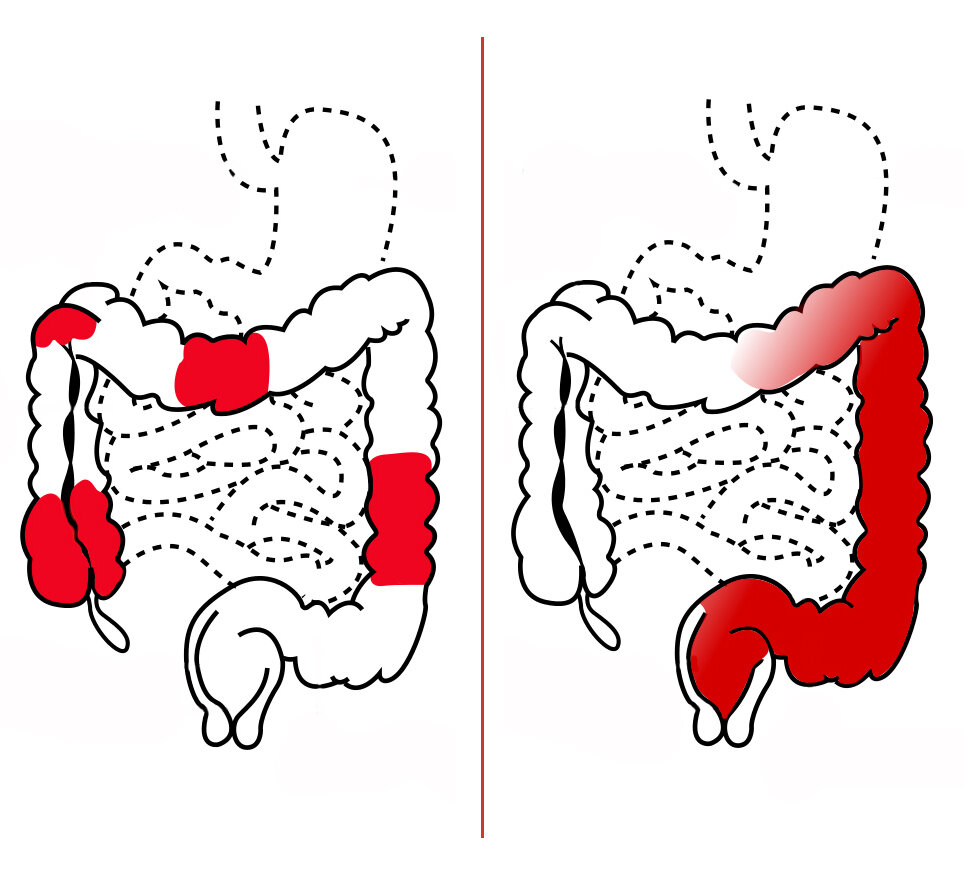
One of the most notable differences is in the location and behavior of the disease. In Japan, there is a higher prevalence of disease confined to the colon (colonic CD) and a lower prevalence of ileal (small bowel) involvement compared to Western cohorts. Additionally, while stricturing (fibrostenotic) and penetrating (fistulizing) complications do occur, their patterns and frequency can vary, influencing treatment decisions from the outset.
Genetic and Environmental Clues
Genetics plays a crucial role in these differences. The most well-known genetic risk factor for CD in Caucasians, mutations in the NOD2 gene, are remarkably rare in Japanese patients. This single fact points to a different genetic architecture for the disease. Instead, genome-wide association studies in Japan have identified other susceptibility loci, including several genes related to autophagy—the body's cellular recycling process.
Genes don't tell the whole story. The rapid rise in CD incidence strongly suggests environmental triggers are at play. The "hygiene hypothesis" posits that reduced exposure to microbes in early childhood in developed countries may lead to an improperly trained immune system. This, combined with the Westernization of the Japanese diet—characterized by higher fat and lower fiber intake—is thought to alter the gut microbiome and promote inflammation.
These diseases are characterized by chronic inflammation of the gastrointestinal tract, where an impaired mucosal barrier, dysbiosis, and disrupted communication between the innate immune system and commensal microflora can lead to painful symptoms.
Understanding these distinct epidemiological, clinical, genetic, and environmental factors is the foundation for appreciating Japan's unique approach to managing Crohn's disease.
Let's check your understanding of these key concepts.
What has been the trend of Crohn's disease incidence in Japan over the last few decades?
Compared to patients in Western countries, where is Crohn's disease more commonly located in Japanese patients?
These foundational differences set the stage for the specific diagnostic and treatment protocols developed in Japan.