Crochet Fundamentals
Introduction to Crochet
What Is Crochet?
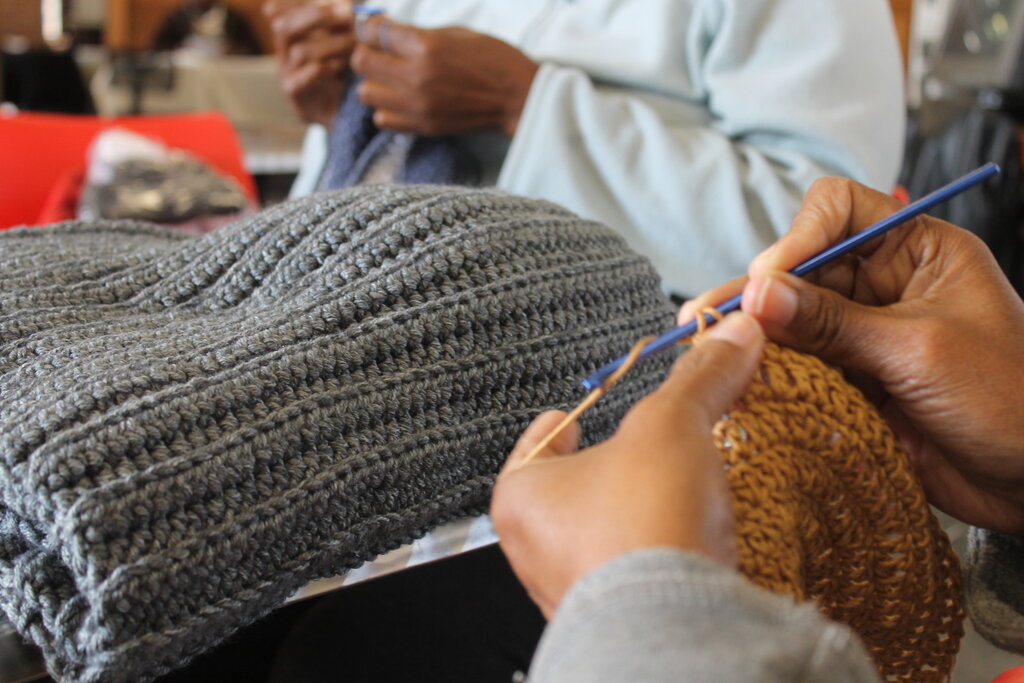
Crochet is a way to create fabric by interlocking loops of yarn with a single hook. Think of it as tying a series of very specific, organized knots. With just a hook and some yarn, you can make everything from warm blankets and cozy sweaters to stuffed animals and delicate lace.
Unlike knitting, which uses two needles to hold many stitches at once, crochet involves working with just one active loop at a time. This makes it relatively simple to pick up and easy to fix mistakes. If you drop your hook, your whole project won't unravel.
Your First Tools
To get started, you only need two things: a crochet hook and some yarn. Everything else can wait.
The crochet hook is your main tool. Hooks come in different materials like aluminum, plastic, or wood, but they all have the same basic parts: a handle for grip and a hook at the end to grab the yarn.
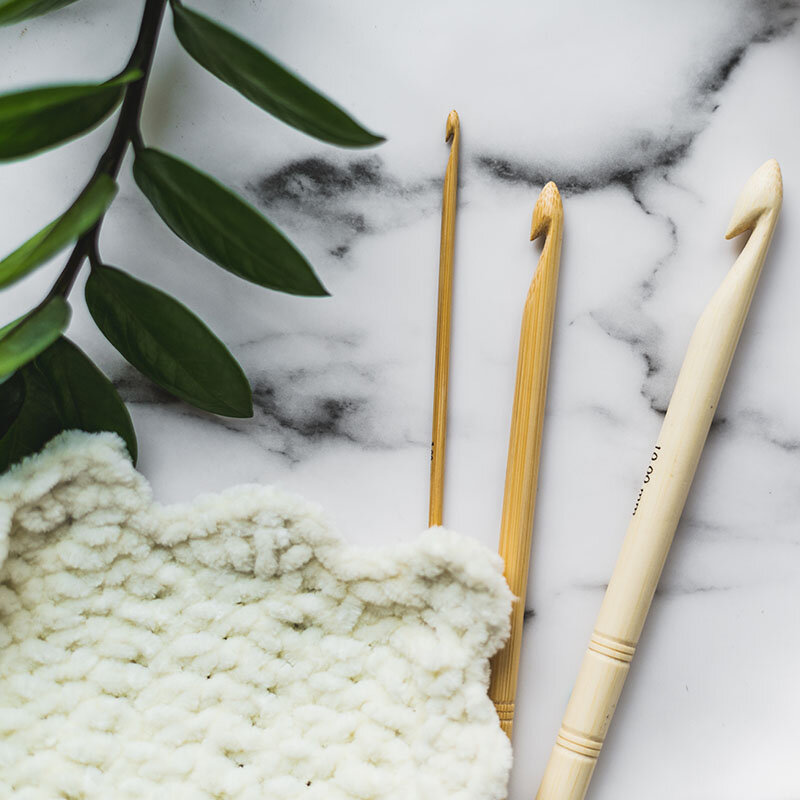
Hooks are also sized, usually with a letter and a millimeter measurement (e.g., H/5mm). The size of the hook determines the size of your stitches. A bigger hook makes bigger stitches, creating a looser fabric. A smaller hook makes tighter stitches. The yarn label will usually suggest a hook size to use.
Yarn is your raw material. It comes in a huge variety of colors, fibers, and thicknesses, called weights. Common fibers include cotton, wool, and acrylic. Cotton is sturdy and great for things like dishcloths. Wool is warm and elastic, perfect for hats and scarves. Acrylic is a versatile and affordable synthetic fiber that's great for beginners.
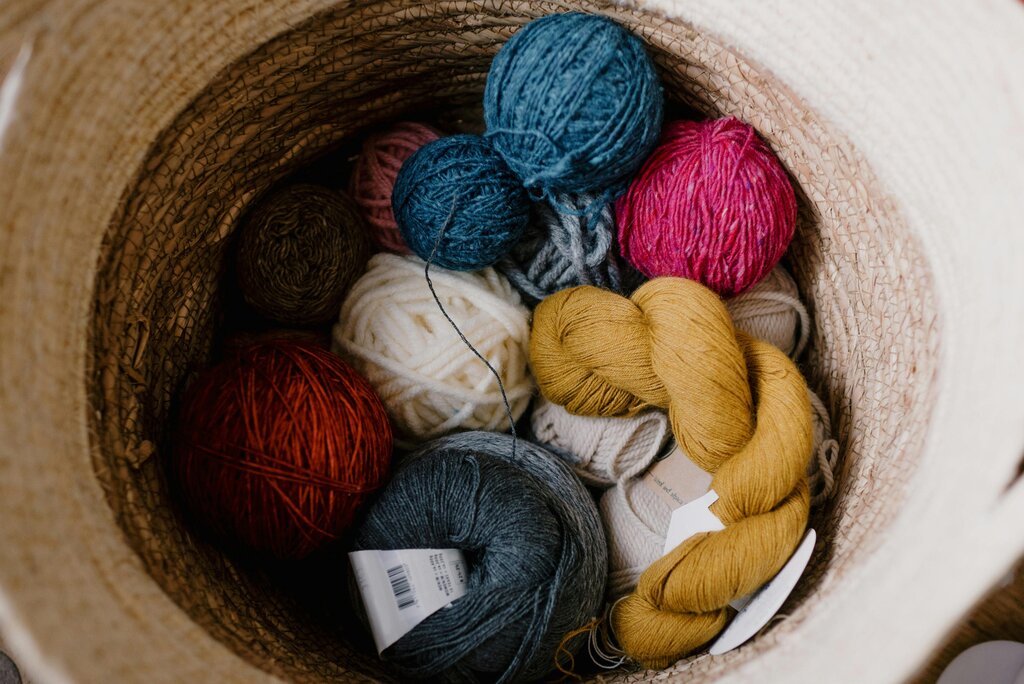
Yarn weight ranges from very thin lace weight to super chunky jumbo weight. For your first project, it’s best to choose a medium-weight yarn, often called “worsted weight” (look for a number 4 on the label). Pick a smooth yarn in a light color. This will make it much easier to see your stitches and learn where to place your hook.
Start simple. A medium-sized hook (like an H/5mm) and a smooth, light-colored worsted-weight yarn is the easiest combination for learning.
A Few More Helpers
Besides your hook and yarn, a few other tools, called notions, will make your life easier. You don't need them on day one, but they are incredibly useful to have on hand.
| Tool | Purpose |
|---|---|
| Scissors | A small, sharp pair for snipping yarn. |
| Stitch Markers | Plastic clips that mark important spots, like the beginning of a round. |
| Tapestry Needle | A large, blunt needle for weaving in the loose ends of yarn when you're finished. |
| Measuring Tape | A flexible tape to check if your project is the right size. |
Stitch markers are especially helpful for beginners. It's easy to lose track of where your rows or rounds start and end. A simple clip can save you a lot of confusion. Likewise, a tapestry needle is essential for giving your projects a clean, professional finish by hiding the leftover yarn tails within your stitches.
What is the primary difference between crochet and knitting?
If you want to make a fabric with large, loose stitches, what should you do?
That's all you need to know about the basic supplies. With a hook, some yarn, and a few simple notions, you're ready to make your first stitch.