CRM in Digital Marketing
Introduction to CRM
What Is a CRM?
At its heart, Customer Relationship Management (CRM) is a strategy for managing all your company’s relationships and interactions with customers and potential customers. When people talk about CRM, they usually mean a CRM system, which is the technology that makes this strategy possible.
CRM
noun
A technology for managing all of a company's relationships and interactions with its customers and potential customers. The goal is simple: improve business relationships to grow the business.
Think of it as a central hub for all your customer information. Instead of having customer data scattered across spreadsheets, email inboxes, and sticky notes, a CRM system brings it all together in one place. This gives everyone in your company, from sales to marketing to customer service, a complete view of each customer.
A CRM system is a tool designed to help businesses manage interactions with current and potential customers.
From Rolodex to the Cloud
Managing customer relationships isn't a new idea. For decades, businesses relied on Rolodexes, file cabinets, and personal address books. Salespeople kept their own notes, and if they left the company, that valuable information often walked out the door with them.
These traditional methods were manual, siloed, and inefficient. Sharing information was difficult, and getting a big-picture view of customer interactions was nearly impossible. The arrival of digital technology changed everything, leading to the sophisticated, cloud-based platforms we use today.
| Feature | Traditional Methods | Modern CRM Platforms |
|---|---|---|
| Data Storage | Physical (Rolodex, paper files) | Digital (Cloud-based database) |
| Accessibility | Limited to one person/location | Accessible anywhere, anytime |
| Collaboration | Difficult; info is siloed | Easy; shared view for all teams |
| Automation | None; all tasks are manual | High; automates repetitive tasks |
| Insights | Relies on memory and manual analysis | Provides real-time data and reports |
Modern CRMs are powerful systems that centralize data, automate tasks, and provide insights that were unimaginable with older methods. They create a single source of truth for every customer.
The Core Components
While CRM platforms can have hundreds of features, they are typically built around three core functionalities that form the foundation of managing customer relationships.
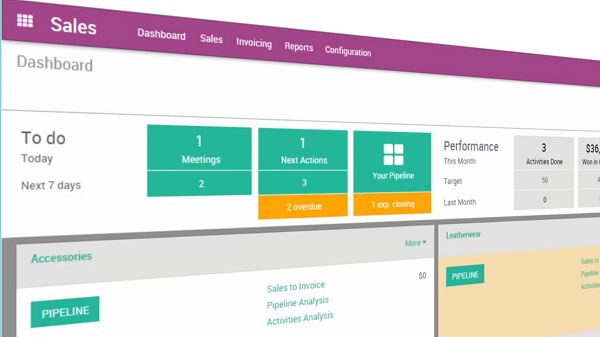
1. Contact Management This is the most basic function. A CRM stores key customer information, including names, email addresses, phone numbers, and social media accounts. But it goes further by tracking all interactions, like phone calls, emails, and meetings. Every touchpoint is recorded, creating a rich history of the relationship.
2. Sales Automation This component helps streamline the sales process. It automates repetitive tasks that salespeople do every day, such as sending follow-up emails, scheduling appointments, and tracking leads as they move through the sales pipeline. This frees up salespeople to focus on what they do best: selling.
3. Customer Service and Support After a sale is made, the relationship continues. CRMs provide tools for managing customer service. They can track customer issues, manage support tickets, and provide a knowledge base for common questions. This ensures that customers receive timely and effective support, which is key to building long-term loyalty.
Why Bother with a CRM?
Implementing a CRM is more than just adopting a new piece of software. It’s a shift toward a more customer-centric way of doing business. The benefits are significant and impact nearly every part of an organization.
By centralizing data, automating key processes, and enabling personalized engagement, CRM empowers teams to work smarter and deliver better experiences.
First, it leads to improved customer satisfaction. With a complete view of a customer's history and preferences, your team can provide personalized and consistent service. Customers feel understood and valued, which builds stronger relationships.
Second, it can lead to increased sales. By automating tasks and providing deep insights into the sales pipeline, CRMs help sales teams identify opportunities, prioritize leads, and close deals faster. Nothing falls through the cracks.
Finally, it drives operational efficiency. A CRM breaks down information silos between departments. Sales, marketing, and customer service teams can all work from the same data, leading to better collaboration and smoother workflows. This reduces duplicate work and ensures everyone is on the same page.
Ready to test your knowledge? This quiz will cover the fundamental ideas behind Customer Relationship Management.
What is the primary goal of a Customer Relationship Management (CRM) strategy?
A sales team is struggling to keep track of follow-up emails and schedule appointments efficiently. Which core CRM functionality would most directly solve this problem?
Understanding these core concepts is the first step. A CRM isn't just a database; it's a powerful tool for building and maintaining the relationships that fuel business growth.