CRM Experimentation with Braze and Data Tools
Introduction to CRM Experimentation
Why Guess When You Can Know?
Every business wants to connect with its customers. You send emails, offer promotions, and create new features, hoping they’ll land well. But hope isn't a strategy. CRM experimentation is the process of turning those guesses into certainties. It’s a method for testing your ideas with real customers to see what truly works.
Think of it like a scientist in a lab. Instead of mixing chemicals, you're mixing marketing ideas—different headlines, images, or offers. You run small, controlled tests to gather data on what your customers prefer. This approach lets you make decisions based on evidence, not just intuition. The goal is simple: learn what customers want and give them more of it.
By leveraging CRM software and tools, businesses can efficiently manage customer data, automate processes, track customer interactions, and analyze customer behaviors.
A Tale of Two Buttons
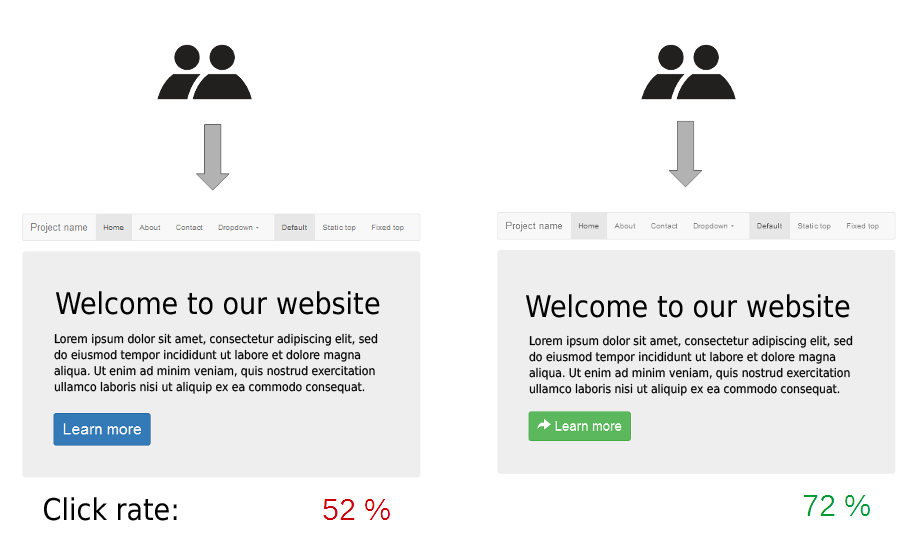
The most common type of experiment is an A/B test. It’s a straightforward way to compare two versions of the same thing to see which one performs better. Imagine you run an online store. Your website has a green "Buy Now" button, but you wonder if a blue button would get more clicks.
In an A/B test, you'd show the original green button to one group of visitors (Group A) and the new blue button to another group (Group B). Both groups are chosen randomly. After a while, you compare the results. If the blue button received significantly more clicks, you have a data-backed reason to make the change permanent.
This method isn't limited to buttons. You can A/B test almost anything: email subject lines, headlines on a landing page, different promotional offers, or the layout of your mobile app. It's a powerful tool for making incremental improvements that add up over time.
Testing More Than One Thing
Sometimes, you want to test more than just one change at a time. Let's go back to your website. You want to test a new headline and a new main image and a new button color. Testing each one with a separate A/B test would take a long time.
This is where multivariate testing comes in. It lets you test multiple changes and their combinations simultaneously. The system shows different combinations of the new headline, image, and button to various users. For example, one user might see the old headline with the new image and the new button, while another sees the new headline with the old image.
Multivariate testing is more complex than A/B testing, but it can reveal which combination of elements works best together. It helps you understand not just which headline is better, but how that headline interacts with a specific image to drive conversions.
The key difference: A/B testing compares two versions of a single change. Multivariate testing compares many combinations of multiple changes.
The Power of Doing Nothing
How do you know if your new marketing campaign is actually effective? Maybe sales would have increased anyway due to a holiday or a market trend. To truly measure the impact of your actions, you need a baseline for comparison. This is the job of a control group.
A control group is a segment of your audience that is excluded from the experiment. While Group A and Group B see different versions of your campaign, the control group sees nothing new. They continue to get the standard experience.
By comparing the results of your test groups to the control group, you can measure the true lift or impact of your campaign. If your new promotion resulted in a 10% conversion rate, but the control group had a 3% conversion rate, you know your campaign drove a 7% increase. Without a control group, you're just measuring activity, not impact.
Setting Your Sights
An experiment without a clear goal is just noise. Before you launch any test, you need to define what success looks like. This starts with setting a clear objective and identifying the key performance indicators (KPIs) you will use to measure it.
An objective is the high-level goal you want to achieve. For example:
- Increase email engagement.
- Improve conversion rates on the checkout page.
- Boost user retention in the first week.
KPIs are the specific, measurable metrics that tell you if you're achieving your objective. They are the numbers you'll be watching during the experiment.
| Objective | Primary KPI |
|---|---|
| Increase email engagement | Email open rate or click-through rate (CTR) |
| Improve checkout conversions | Percentage of users who complete a purchase |
| Boost user retention | Percentage of users who return after 7 days |
Defining your objective and KPIs beforehand keeps you honest. It prevents you from changing your definition of success halfway through the test or cherry-picking metrics that make your experiment look good. Clear goals ensure that your results are meaningful and lead to real business improvements.
What is the primary purpose of CRM experimentation?
An e-commerce company wants to test a new headline, a different product image, and a new button color on its product page all at once to see which combination performs best. Which testing method is most appropriate?
By running thoughtful experiments, you can move from guesswork to a data-driven strategy that deepens your connection with customers.