CRM Essentials for Trades and Solopreneurs
Introduction to CRM
What Is a CRM?
If you're running your own business, you're juggling a lot. Clients, jobs, quotes, invoices—it's easy for details to fall through the cracks. This is where a Customer Relationship Management (CRM) system comes in. Think of it as a central hub for every interaction you have with your clients.
CRM
noun
Stands for Customer Relationship Management. It's a technology for managing all your company's relationships and interactions with customers and potential customers.
At its simplest, a CRM is a digital address book with superpowers. It doesn't just store names and numbers. It tracks emails, phone calls, meeting notes, project details, and even customer preferences. The goal is to have a complete picture of every client relationship, all in one organized place.
A CRM system is a tool designed to help businesses manage interactions with current and potential customers.
Why Bother with a CRM?
For a solopreneur or a tradesperson, time is money. You might think a CRM is just for big sales teams, but it’s a powerful tool for small operations, too. It helps you work smarter, not harder.
Here’s how:
Stay Organized: Forget sticky notes and messy spreadsheets. A CRM keeps every piece of client information—from the first call to the final invoice—in one secure spot. You'll always know where a project stands and what the next step is.
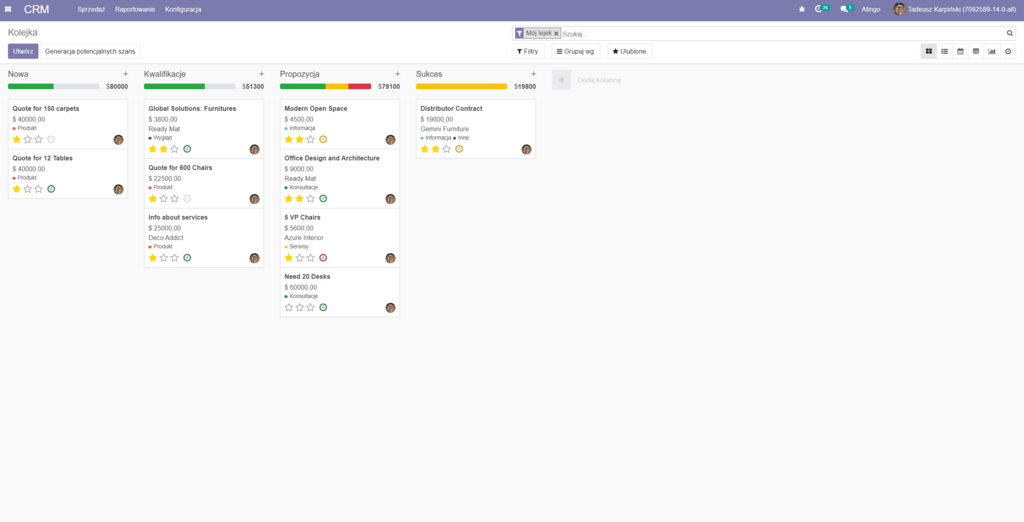
Communicate Better: Have you ever forgotten a specific detail a client told you? A CRM logs your conversations, so you can pick up right where you left off. This personal touch builds trust and shows clients you're paying attention. It helps you follow up consistently, turning potential leads into loyal customers.
Increase Efficiency: Many CRMs can automate repetitive tasks. They can send follow-up reminders, generate quotes, and track payments. By streamlining these administrative chores, you free up more time to focus on what you do best—your actual work.
Ultimately, a good CRM helps you build stronger, more profitable relationships. By staying organized and attentive, you can provide the kind of reliable service that keeps clients coming back.
Ready to see what you've learned?
What is the primary function of a Customer Relationship Management (CRM) system for a small business owner?
A tradesperson forgets a specific detail a client mentioned in a previous phone call. How could a CRM have helped prevent this?
Using a CRM is about making your life easier and your business stronger. It's a small investment that pays off in organization, efficiency, and happier clients.