Critical Research Appraisal Mastery
Introduction to Research Design
The Blueprint for Discovery
Before building a house, you need a blueprint. It shows how everything fits together, what materials to use, and how to create a sturdy, functional structure. Research design is the blueprint for a research study. It's the overall strategy you choose to logically and coherently integrate the different components of your study, ensuring you can effectively address your research question.
A good research design is the difference between finding a clear answer and ending up with a jumble of confusing information. Its purpose is to provide a framework for collecting and analyzing evidence that is both relevant to your question and as free from bias as possible.
Think of it this way: your research question is the destination, and the research design is the map you'll use to get there.
Three Core Approaches
While there are many specific types of study designs, they generally fall into three broad categories: experimental, observational, and qualitative. Each has a different goal and a unique set of tools.
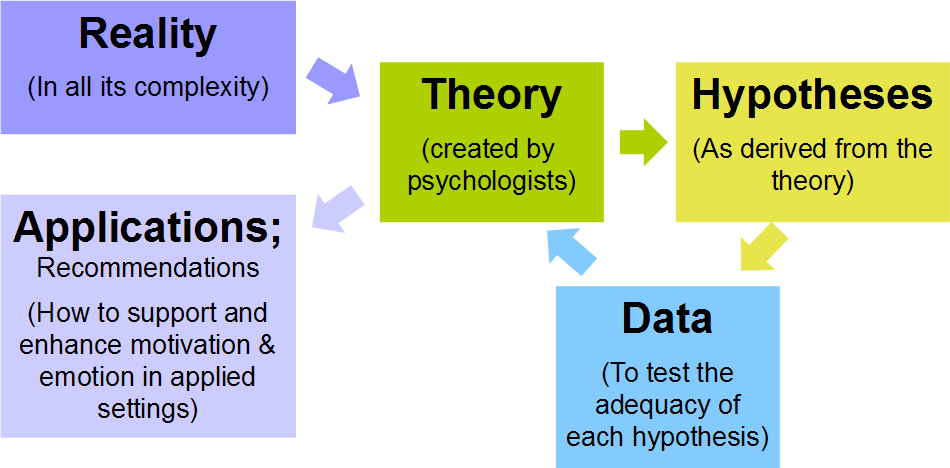
First, we have experimental designs. The defining feature here is intervention. The researcher actively manipulates one variable to see what effect it has on another. This is the classic scientific experiment, like testing a new drug. One group gets the drug, another gets a placebo, and you compare the outcomes. This approach is the gold standard for determining cause and effect.
| Strengths | Limitations |
|---|---|
| Can establish cause-and-effect. | Can be artificial; may not reflect the real world. |
| High level of control over variables. | Ethical or practical constraints limit what can be studied. |
| Easily replicable. | Can be expensive and time-consuming. |
Next are observational designs. As the name suggests, the researcher here is a spectator. They measure characteristics and look for associations in a group without interfering. For example, a study might track the diets of thousands of people over many years to see if there's a link between eating fish and a lower risk of heart disease. The researchers aren't telling anyone what to eat; they're just observing what happens naturally.
| Strengths | Limitations |
|---|---|
| Can study things in their natural setting. | Difficult to establish cause-and-effect. |
| Useful when experiments are unethical or impossible. | Prone to influence from unmeasured variables (confounding). |
| Often less expensive than experiments. | Relies on the accuracy of existing records or self-reporting. |
Finally, we have qualitative designs. This approach isn't about numbers or measuring things. It's about understanding the 'why' and 'how' behind human experiences. Researchers might conduct in-depth interviews, run focus groups, or observe social interactions to gather rich, descriptive data. An example would be a study that explores how first-generation college students navigate the challenges of university life, focusing on their personal stories and perspectives.
| Strengths | Limitations |
|---|---|
| Provides rich, in-depth understanding. | Findings are not generalizable to the broader population. |
| Flexible and can adapt as the study progresses. | Highly dependent on the researcher's interpretations. |
| Explores complex phenomena in detail. | Data analysis can be very time-consuming. |
Choosing the Right Path
So, how do you pick the right design? The choice always comes back to your research question. The question dictates the method, not the other way around. You need to match the strengths of a design to the kind of answer you're looking for.
If your question is about causation, like "Does this new teaching method cause better test scores?", you'll lean toward an experimental design. If it's about association, like "Is there a link between screen time and sleep quality in teenagers?", an observational study is more appropriate. And if your question is about understanding an experience, like "What is the experience of caregivers for dementia patients?", a qualitative approach is the way to go.
Understanding these foundational designs is the first step toward critically evaluating research. When you read a study, you can now ask: Was this the right blueprint for the question they were trying to answer? This simple check is crucial for sorting strong evidence from weak claims.
What is the primary role of a research design?
A study that tracks a group of people for 20 years to see if there is a link between daily coffee consumption and the development of high blood pressure is an example of what type of research design?