Crisis Management Planning
Understanding Crisis Management
What is Crisis Management?
A crisis is any unexpected event that threatens to harm an organization. It could be a factory fire, a data breach, or a damaging rumor that spreads online. These events demand urgent action to limit damage.
Crisis management is the process organizations use to deal with these disruptive and unexpected situations. It's about having a plan to respond effectively, protect stakeholders, and preserve the organization's reputation and operations. The goal isn't just to survive the crisis, but to emerge from it stronger and more resilient.
Crisis
noun
An event or period of intense difficulty or danger that can have a significant negative impact on an organization's operations, reputation, or financial stability.
Types of Crises
Crises don't all look the same. They can stem from internal mistakes or external forces far beyond anyone's control. Understanding the different types helps organizations prepare for a wider range of potential threats. Broadly, they fall into a few key categories.
Some crises can be a combination of these types. For example, a hurricane (natural disaster) could cause a power outage (technological failure), which could then disrupt services and lead to customer complaints (reputational threat).
The Goals of Crisis Management
When a crisis hits, the response team isn't just trying to make the problem go away. They have specific objectives that guide their actions. The ultimate aim is to navigate the turmoil with as little harm as possible.
The primary objective is always to protect people. This means ensuring the safety and well-being of employees, customers, and the public. Once people are safe, the focus shifts to other key goals: ensuring the business can continue to operate, limiting financial damage, and protecting the organization's reputation from long-term harm.
The core objectives of crisis management are to protect people, preserve the organization's assets and reputation, and restore normal operations as quickly as possible.
The Ripple Effect of a Crisis
A crisis rarely affects just one part of a business. The impacts can be far-reaching and interconnected, often causing damage that isn't immediately obvious.
- Operational Disruption: The most immediate impact is often on day-to-day operations. A supply chain breakdown can halt production, or a network outage can stop employees from working.
- Financial Loss: Crises cost money. This can come from lost sales, repair costs, legal fees, or regulatory fines. The financial fallout can affect a company's stability for years.
- Reputational Damage: This is often the most lasting and difficult impact to manage. A damaged reputation can erode customer trust, drive away employees, and make it harder to do business. Rebuilding that trust can take a very long time.
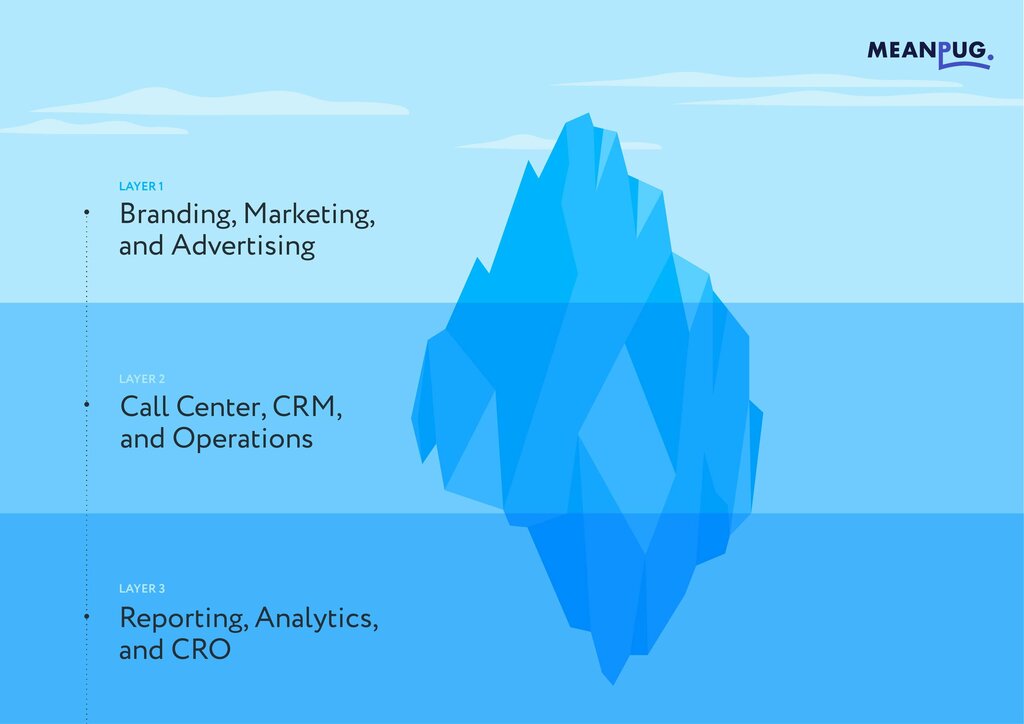
Thinking about these potential impacts ahead of time is crucial. It highlights why having a plan is so important. A well-managed response can significantly reduce the damage across all these areas.
You may not be able to control the crisis—whether it’s a life- or environment-threatening disaster (like an oil spill) or a reputational risk (like accusations of fiduciary mismanagement)—but you can control your response.
Now, let's test your understanding of these core concepts.
What is the best definition of a crisis in an organizational context?
The primary objective of crisis management is always to protect people, such as employees, customers, and the public.
Grasping these fundamentals—what a crisis is, its different forms, and its potential impact—is the first step toward building resilience. With this foundation, we can begin to explore how to prepare for and respond to them.