Crisis Communication Strategy
Understanding Crisis Communication
What Is Crisis Communication?
At its core, crisis communication is the strategy an organization uses to deal with a sudden, negative event. It’s about managing the message when things go wrong to protect the company's reputation and maintain the trust of its customers, employees, and the public. Think of it as a specialized form of public relations that springs into action when the stakes are highest.
The main goal isn't to hide the problem, but to control the narrative. This means providing timely, accurate, and consistent information to everyone involved. A good crisis communication plan aims to minimize damage, demonstrate that the organization is in control, and show a clear path forward.
Communication stands as the linchpin in Crisis Management.
Types of Crises
Not all crises are the same. They can come from anywhere and take many forms. Understanding the different types helps organizations prepare for a wider range of potential problems.
| Crisis Type | Description | Example |
|---|---|---|
| Natural Disasters | Events caused by nature that disrupt operations. | A hurricane forces a factory to shut down. |
| Technological Failures | Problems with technology, software, or equipment. | A major website crashes due to a server failure. |
| Human Error | Mistakes made by employees that cause significant issues. | An employee accidentally leaks sensitive customer data. |
| Reputational Threats | Attacks on an organization's character or credibility. | False rumors spread on social media about a company's products. |
| Malevolence | Intentional acts designed to harm the organization. | A disgruntled former employee sabotages the company's computer network. |
| Organizational Misdeeds | Management actions that are illegal or unethical. | A company is caught knowingly violating environmental regulations. |
The Cost of a Poor Response
Failing to communicate effectively during a crisis can be disastrous. When an organization is slow to respond, provides inaccurate information, or seems to be hiding something, the public and media will often fill the silence with their own stories, which are rarely favorable.
The consequences can be severe and long-lasting. Customers may lose trust and take their business elsewhere. Employee morale can plummet, leading to high turnover. The company's stock price could fall, and it might face legal action or hefty fines. A damaged reputation can take years to rebuild, if it can be rebuilt at all.
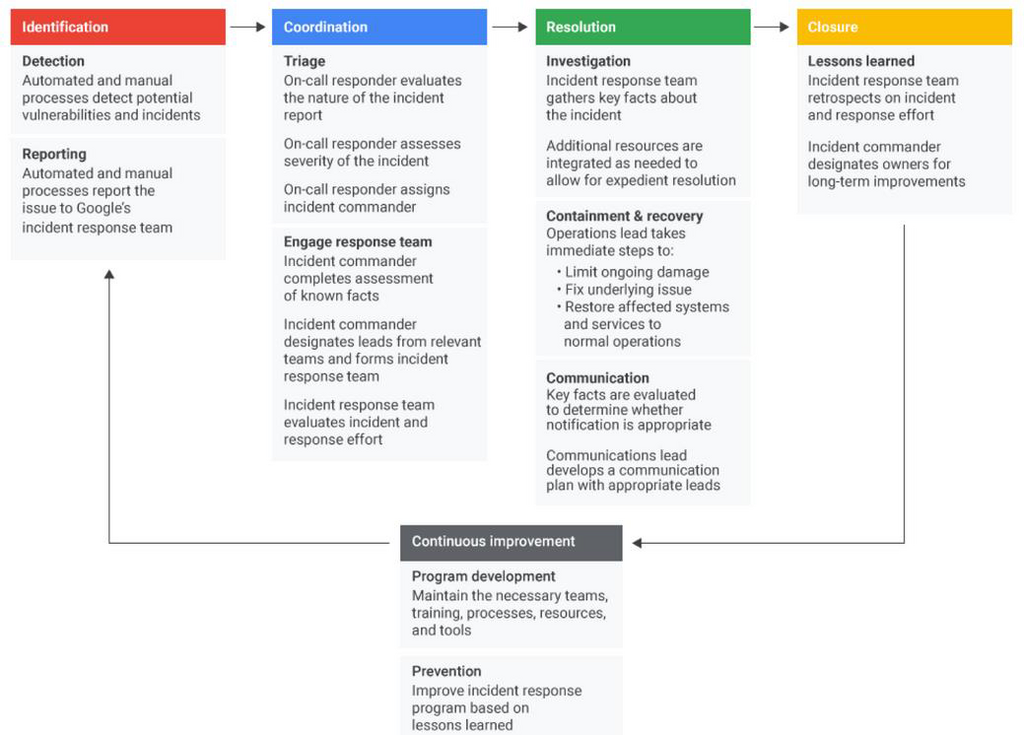
The Crisis Communication Plan
A crisis communication plan is a roadmap for navigating a crisis. It's prepared in advance so that when a crisis hits, the team doesn't have to make crucial decisions from scratch under immense pressure. It ensures a response that is quick, consistent, and effective.
Think of it like a fire drill. You practice the steps when there's no fire, so everyone knows exactly what to do when there's smoke.
While every plan is different, most include a few essential components:
- Crisis Communication Team: A list of key people who will manage the crisis, along with their specific roles and contact information.
- Spokesperson Identification: Designating one or two official spokespeople to ensure a consistent message. This prevents mixed signals from different sources.
- Pre-approved Messages: Drafted statements, social media posts, and press releases for various potential crisis scenarios. These can be quickly adapted when a real crisis occurs.
- Internal Communication Plan: A strategy for keeping employees informed. They should hear important news from the company first, not from the media.
- Contact Lists: A comprehensive list of key media contacts, stakeholders, and industry influencers.
Having these elements in place allows an organization to respond with confidence and control, rather than reacting with panic. It's the foundation of resilience in the face of the unexpected.
Now, let's test your understanding of these fundamental concepts.
What is the primary goal of crisis communication?
True or False: A well-structured crisis communication plan should designate one or two official spokespeople to ensure a consistent message.
With a solid grasp of what crisis communication is and why it matters, you're ready to explore how to build and execute these plans effectively.