Crisis Communication Plan Development
Understanding Crisis Communication
What is Crisis Communication?
A crisis isn't just a bad day at the office. It's a significant, unexpected event that threatens to harm an organization, its stakeholders, or the public. Think of it as a fire alarm for the entire company. It could be a product recall, a data breach, a natural disaster hitting a key facility, or a damaging rumor spreading online.
Crisis communication is the strategic effort to manage the flow of information during these events. The goal is simple but critical: protect the organization's reputation and maintain trust with the people who matter most—customers, employees, investors, and the community. It's about taking control of the narrative before it controls you.
Communication stands as the linchpin in Crisis Management.
Without a clear communication strategy, a crisis can quickly spiral. Misinformation fills the vacuum left by silence. Customers lose faith, employees become anxious, and the company's financial health can suffer. Poor communication can turn a manageable problem into a long-term disaster, eroding years of goodwill in a matter of hours.
The consequences can be severe. A mishandled response can lead to boycotts, plummeting stock prices, legal trouble, and difficulty attracting talent. The way an organization communicates under pressure says everything about its values and competence.
Types of Crises
Crises come in many forms, but they generally fall into a few key categories. Understanding them helps an organization prepare for different scenarios.
| Crisis Type | Description | Example |
|---|---|---|
| Natural Disasters | Events caused by nature that disrupt operations. | An earthquake damages a company's main warehouse, halting shipments. |
| Technological Failures | Breakdowns in technology, from servers to machinery. | A major airline's booking system crashes, grounding flights worldwide. |
| Reputational Threats | Attacks on a company's character, often related to ethics or leadership. | A video emerges showing an executive behaving unethically, sparking public outrage. |
| Malevolence | Hostile actions taken to harm the organization. | A hacker steals and releases sensitive customer data. |
| Workplace Violence | An act of violence on company property, creating a safety crisis. | An altercation between employees escalates, requiring a lockdown and police response. |
Communication in Action
Let's consider a real-world scenario. Imagine a popular food company discovers a batch of its packaged salads is contaminated with bacteria. This is a technological crisis—a failure in their production process—that quickly becomes a reputational one.
A poor response would be to stay silent, hoping no one notices. This approach almost always backfires. News leaks, customers get sick, and the company is seen as negligent.
A strong response involves immediate, transparent communication. The company issues a voluntary recall, clearly stating which products are affected. They use social media, press releases, and their website to inform the public. They explain what happened, what they're doing to fix it, and how they will prevent it from happening again. They are honest, empathetic, and accountable.
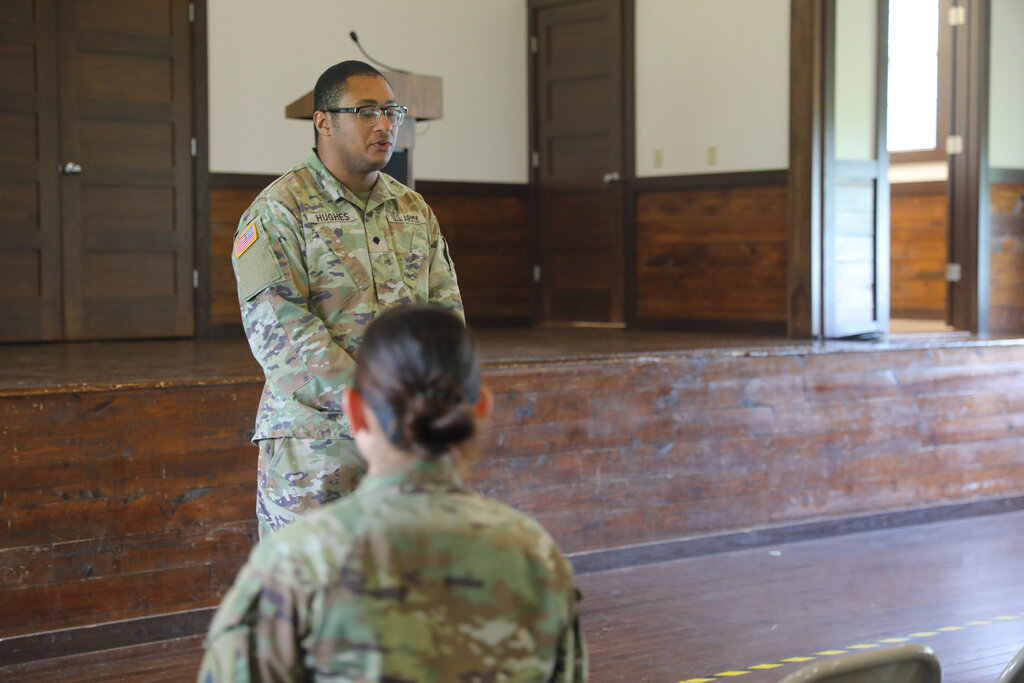
In the second scenario, the company still faced a serious problem, but their communication strategy controlled the damage. By being proactive and transparent, they demonstrated responsibility and concern for their customers. This approach helps rebuild trust and shows that the organization is competent even when things go wrong.
Ultimately, crisis communication isn't about spinning a story or avoiding blame. It's about managing reality through clear, honest, and timely information to protect the organization's most valuable asset: its reputation.