Crisis Communication for PR Disasters
Understanding Crisis Communication
What Is Crisis Communication?
At its core, crisis communication is the process organizations use to manage events that threaten to harm their reputation, stakeholders, or the public. A crisis isn't just a bad day at the office. It's an unexpected, high-impact event that can disrupt operations and create negative attention. Think of it as a strategic conversation during a chaotic time.
The goal is to protect the organization and its stakeholders by providing accurate, timely information. Good crisis communication helps maintain trust and control the narrative. Without it, rumors and misinformation can quickly fill the void, making a bad situation much worse.
When dealing with a crisis communications situation, all businesses should have a plan in place ahead of time so they can react and respond immediately, thus preventing the situation from getting out of hand.
Types of Crises
Crises come in many forms, and they can arise from internal mistakes or external forces completely outside an organization's control. Understanding the different types helps in preparing for them.
Some crises, like a natural disaster, are sudden and unavoidable. Others, like a scandal or financial mismanagement, can simmer for a while before exploding into public view. Regardless of the origin, the way an organization communicates during the event is what often defines the outcome.
The Cost of Mismanagement
Failing to communicate effectively during a crisis can be catastrophic. The immediate aftermath might be chaotic, but the long-term consequences of poor communication are often more severe.
When an organization is slow to respond, appears dishonest, or fails to show empathy, it erodes trust with everyone it depends on: customers, employees, investors, and the general public. This loss of trust can lead directly to financial losses, from plummeting sales to a drop in stock value. A damaged reputation can take years to rebuild, if it can be rebuilt at all.
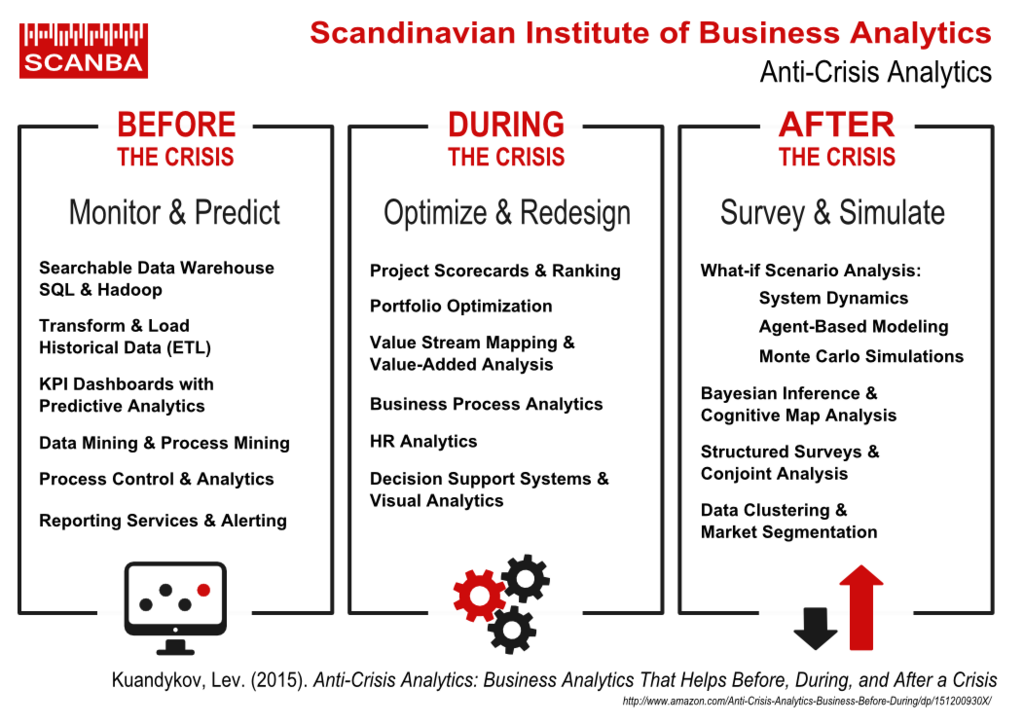
On the other hand, the benefits of proactive planning are immense. Having a crisis communication plan ready means you're not starting from scratch when disaster strikes. It allows your team to respond quickly, consistently, and with a clear voice. This preparedness demonstrates competence and respect for your stakeholders, helping to preserve the trust you've worked so hard to build.
Ready to check your understanding of these core concepts?
What is the primary goal of crisis communication?
A crisis is best defined as a high-impact, unexpected event that threatens to harm an organization's reputation or stakeholders.
By understanding what a crisis is and the importance of communicating through it, you've taken the first step toward effective crisis management.