Crisis Communication for Bad PR
Understanding Crisis Communication
What Is Crisis Communication?
A crisis is any event that threatens to harm an organization, its stakeholders, or the public. Crisis communication is the strategic process of managing the flow of information during these difficult times. It's how a company talks to its employees, customers, investors, and the general public when things go wrong.
The primary goal isn't just to talk, but to protect the organization's reputation and maintain the trust it has built. This involves providing timely, accurate, and consistent information. It's about taking control of the narrative before it spirals out of control.
Communication stands as the linchpin in Crisis Management.
Effective crisis communication aims to reduce uncertainty and provide a clear path forward. It answers the critical questions: What happened? What is being done about it? What should people do?
A Strategic Imperative
Many people think of crisis communication as a purely reactive measure, something you only do after disaster strikes. But it's a vital part of an organization's overall strategy. A solid plan isn't just a list of phone numbers; it's a framework for decision-making under pressure.
Being prepared involves identifying potential risks long before they become problems. This proactive approach allows an organization to develop messaging, train spokespeople, and establish communication channels ahead of time. When a crisis does hit, the team isn't starting from scratch. They're executing a well-rehearsed plan.
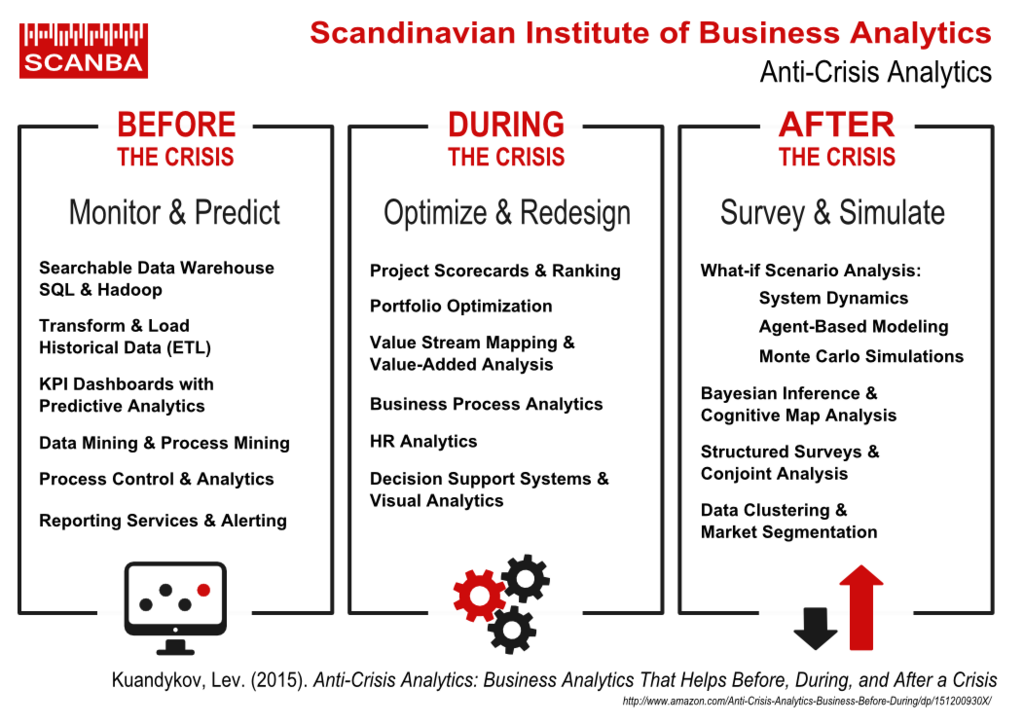
Integrating crisis communication into the core strategy ensures that leadership understands its importance and allocates the necessary resources. It shifts the mindset from damage control to resilience management.
The High Cost of a Poor Response
The consequences of poor crisis communication can be severe and long-lasting. When an organization is slow to respond, provides inaccurate information, or appears to be hiding something, it quickly loses credibility. Trust, which can take years to build, can evaporate in hours.
Financially, the impact can be devastating. Customers may take their business elsewhere, and investors might lose confidence, leading to a drop in stock value. Internally, employee morale can plummet, affecting productivity and loyalty. A mishandled crisis can tarnish a brand's reputation for years, making it difficult to attract talent and customers in the future.
Effective communication strategies ensure transparency, timeliness, and consistency, thereby managing perceptions and mitigating the impact of crises.
The PR Connection
Crisis communication is a specialized function within the broader field of public relations (PR). Think of PR as the ongoing effort to build and maintain a positive relationship between an organization and its public. PR professionals work daily to build a reservoir of goodwill through storytelling, community engagement, and positive media coverage.
When a crisis occurs, crisis communication takes the lead. It draws upon the goodwill established by PR efforts and focuses intensely on protecting the organization's reputation during a specific, negative event. While general PR is a marathon of positive messaging, crisis communication is a sprint to manage a threat with clarity and honesty.
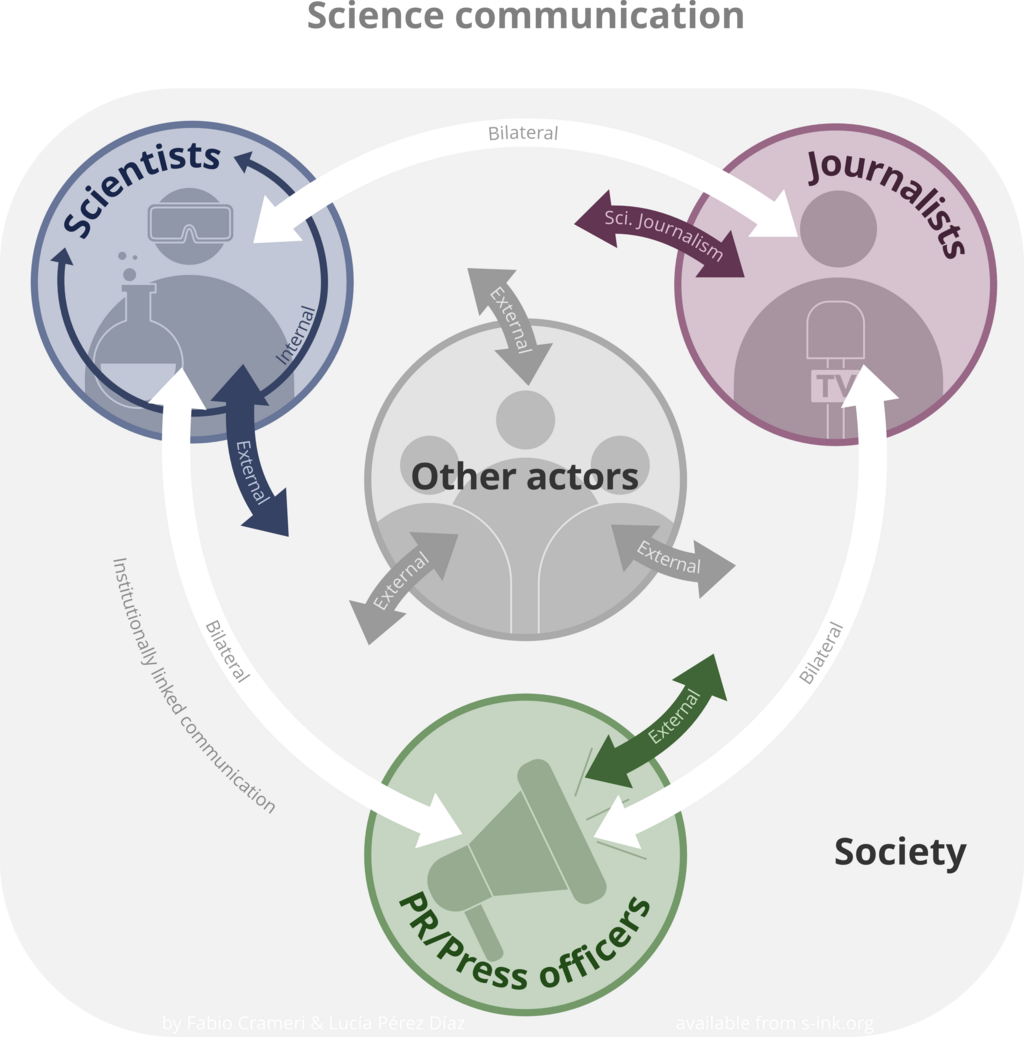
After the immediate threat has passed, the role shifts back to general PR, which is then tasked with repairing any damage to the organization's reputation and rebuilding trust over the long term. The two functions are deeply intertwined, with successful PR laying the foundation for effective crisis management.
Now, let's test your understanding of these core concepts.
What is the primary goal of crisis communication?
Effective crisis communication is best described as a purely reactive measure, only implemented after a disaster strikes.
Understanding these fundamentals is the first step toward building a resilient organization that can navigate challenges with confidence.