Crisis Communication for Bad PR
Understanding Crisis Communication
What Is Crisis Communication?
Crisis communication is the way an organization speaks with the public, its employees, and its partners during a difficult situation. It’s not just about putting out fires; it’s a strategic approach to managing information when something unexpected and potentially damaging occurs. The goal is to control the narrative, limit the harm, and guide the organization through the turmoil.
The primary objective is to protect the organization's reputation. A crisis can erode years of trust in a matter of hours. Good communication helps preserve it.
Key objectives include:
- Providing Timely and Accurate Information: In a crisis, silence creates a vacuum that rumors and misinformation will rush to fill. Getting the right facts out quickly is essential.
- Demonstrating Control and Competence: Stakeholders need to see that the organization has a handle on the situation and is taking steps to resolve it.
- Maintaining Stakeholder Trust: Honest, transparent communication builds confidence. This includes talking to employees, customers, investors, and the general public.
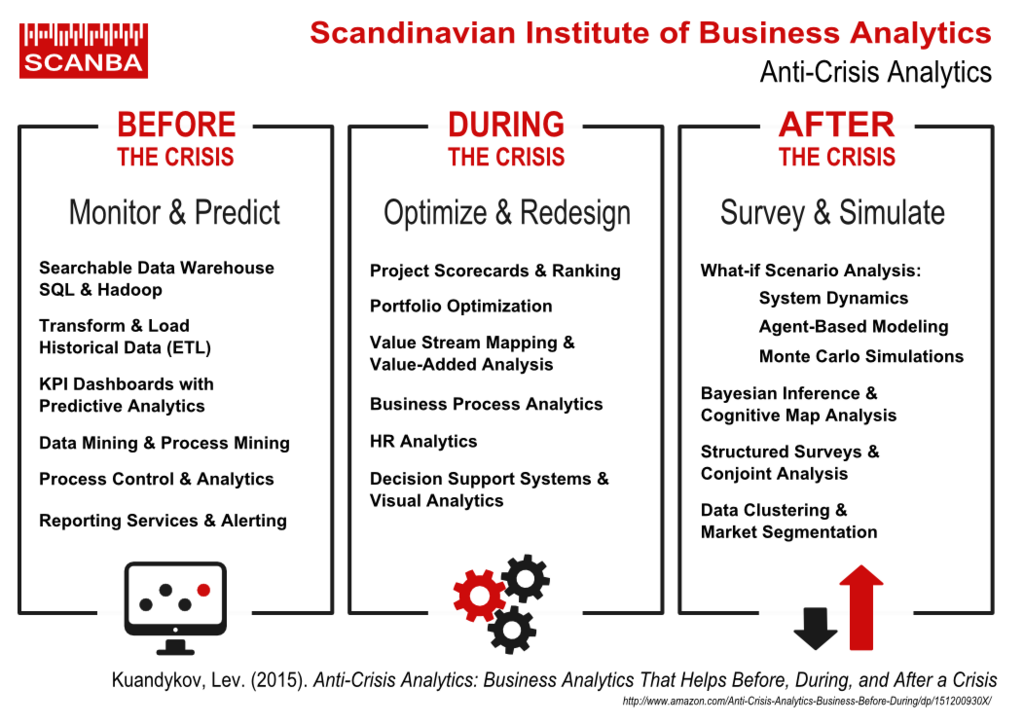
Think of it as the emergency response plan for an organization's public image. When an alarm sounds, everyone needs to know their roles, what to say, and how to say it. Without a plan, the response is often chaotic, which only makes a bad situation worse. Effective communication can be the difference between a bump in the road and a complete derailment.
Communication stands as the linchpin in Crisis Management.
Types of Crises
Crises come in many forms, but they can generally be sorted into a few key categories. Understanding the type of crisis helps tailor the communication response. Some crises are external and unavoidable, while others are self-inflicted.
Here are some of the most common types:
-
Natural Disasters: These are events like hurricanes, earthquakes, floods, and wildfires. The organization is often seen as a victim, but its response is judged critically. Communication focuses on employee safety, operational status, and community support.
-
Technological Failures: This category includes data breaches, product recalls, industrial accidents, and major system outages. The organization is responsible for the failure, so communication must address the cause, the solution, and the steps being taken to prevent it from happening again.
-
Organizational Misdeeds: These are crises caused by unethical or illegal actions. Examples include fraud, executive misconduct, and discrimination scandals. These are often the most damaging to a reputation because they break public trust on a fundamental level. Communication must be sincere, take accountability, and outline decisive actions to correct the wrongdoing.
While the causes vary, the outcome is the same: every crisis threatens an organization's relationship with the people who matter most to its success.
Recognizing the nature of the crisis is the first step. It dictates the tone, the message, and the strategy needed to navigate the challenge and begin the process of rebuilding trust.