Cricket Umpiring Essentials
Introduction to Cricket Umpiring
The Heart of the Game
In any cricket match, from a village green to a packed international stadium, two figures stand out. They don't bat or bowl, yet they control the flow and fairness of the entire contest. These are the umpires, the impartial judges of the game.
An umpire’s main job is to apply the Laws of Cricket, ensuring a level playing field for both teams. Think of them as the guardians of the game's integrity. Their decisions on everything from whether a batter is out to whether a delivery is legal are final. This authority requires deep knowledge, unwavering concentration, and absolute fairness.

The umpire's role is built on trust. Players and spectators must believe that every decision is made without bias, based only on the laws and the evidence of their own eyes and ears.
A Match Day in Action
An umpire's responsibilities start long before the first ball is bowled and continue after the last run is scored.
| Phase | Key Duties |
|---|---|
| Before the Match | Arrive early to inspect the pitch, boundaries, and creases. Check that the bails and stumps are correct. Meet with the captains and scorers. Supervise the coin toss. |
| During the Match | Rule on appeals for dismissals. Call and signal wides and no-balls. Signal boundaries (fours and sixes). Keep count of the balls in each over. Manage player conduct and ensure fair play. |
| After the Match | Agree on the final score with the scorers. Collect the match balls. Submit any required reports on the match conditions or player conduct. |
Each phase requires a different focus. Before the game, it's all about preparation and ensuring the conditions are right. During the game, it's about sharp focus and decisive action. Afterward, it’s about administration and ensuring the official record is accurate.
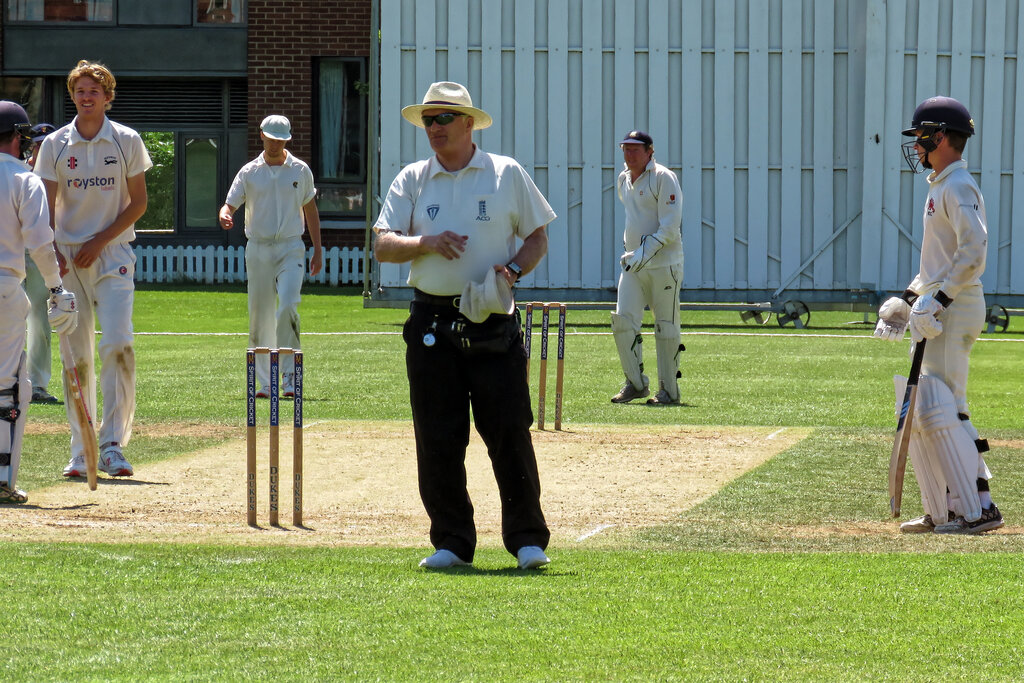
The Language of the Game
Umpires communicate constantly, but not always with words. A sophisticated system of hand signals conveys their decisions to players, scorers, and the crowd instantly. A raised index finger means the batter is out. An arm outstretched horizontally signals a four. These gestures are the universal language of cricket.
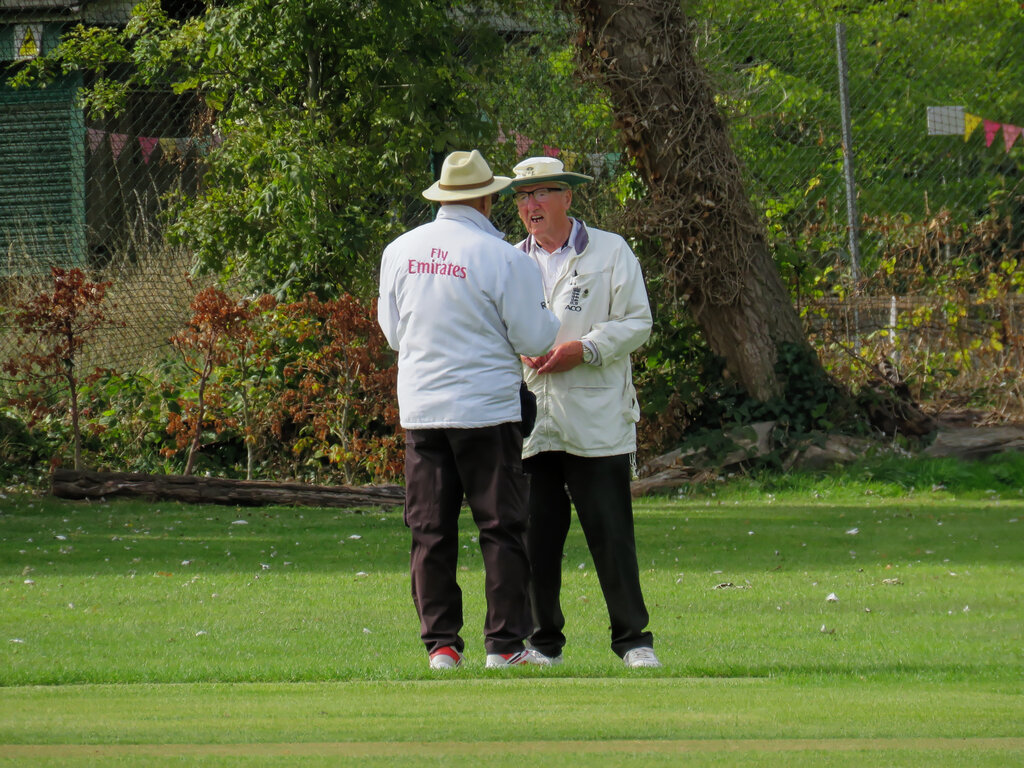
Verbal communication is just as vital. An umpire needs to speak clearly and calmly with players, especially in tense situations. They confer with their colleague at the other end of the pitch to discuss decisions or manage difficult moments. They also liaise with the official scorers to ensure the score is always correct. This combination of silent signals and clear speech keeps the game moving smoothly and fairly.
What is the primary responsibility of a cricket umpire?
An umpire's duties are limited to the time the match is actively being played.
Being an umpire is a challenging but rewarding role that offers the best view in the house. It's a position of great responsibility, essential to the spirit and function of cricket.