Credit Report Repair
Understanding Credit Reports
Your Financial Report Card
Think of a credit report as your financial report card. It's a detailed history of how you've managed credit and debt over time. Lenders, landlords, and even some employers use it to get a sense of your financial responsibility. It doesn't say if you're a good or bad person, but it does show how reliably you've handled financial obligations in the past.
A credit report is a statement that details how you use credit. It's compiled by credit bureaus based on information they receive from your lenders.
Your report contains several key pieces of information.
| Category | What it Includes |
|---|---|
| Personal Information | Your name, current and past addresses, Social Security number, and date of birth. |
| Credit Accounts | Details on your credit cards, loans (auto, mortgage, student), and other lines of credit. It lists when you opened the account, your credit limit or loan amount, the current balance, and your payment history. |
| Public Records | Information from public court records, such as bankruptcies or foreclosures. |
| Credit Inquiries | A list of companies that have recently requested a copy of your report. This happens when you apply for a new loan or credit card. |
The Three Major Bureaus
In the United States, three major companies, known as credit bureaus, are responsible for collecting and maintaining this information: Equifax, Experian, and TransUnion. These are private, for-profit companies, not government agencies.
Lenders, like banks and credit card companies, voluntarily report your payment history and account status to these bureaus. However, a lender might not report to all three. Because of this, your credit report from Equifax might look slightly different from your report from Experian or TransUnion.
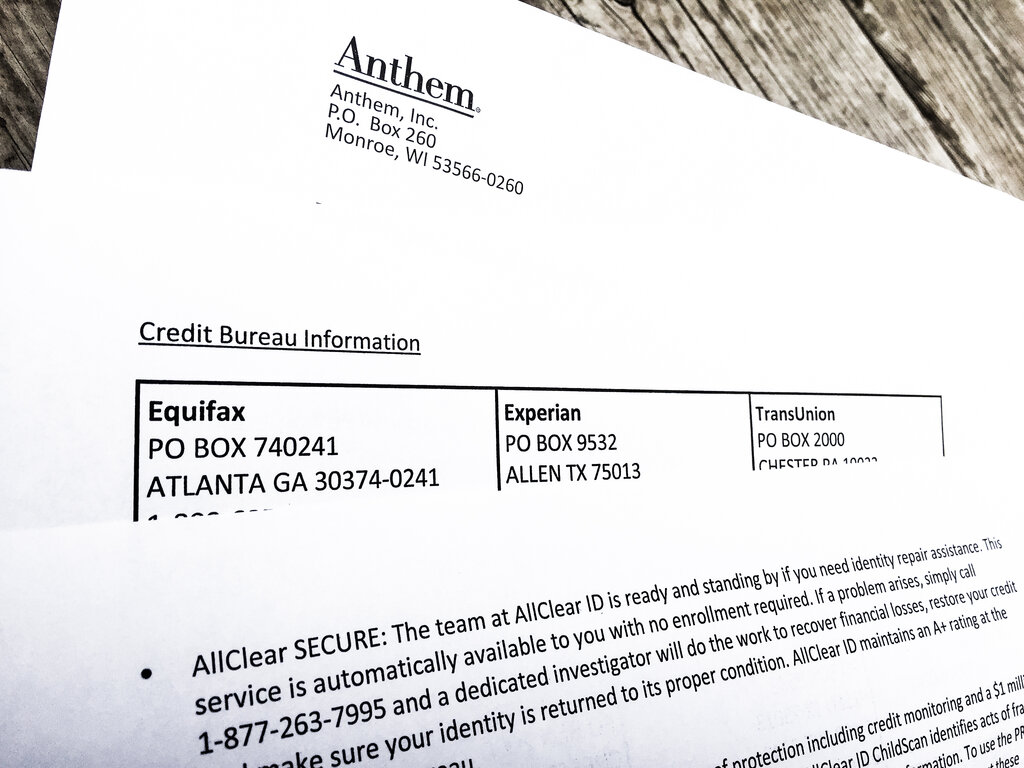
It’s a good idea to check your reports from all three bureaus to get a complete picture of your credit history.
How to Get Your Report
You are entitled by federal law to a free copy of your credit report from each of the three major bureaus every 12 months. The official, government-authorized website to request these reports is AnnualCreditReport.com.
Be wary of other websites that promise free reports but may have hidden fees or are trying to sell you something. Stick to the official site to ensure your information is secure and the report is truly free.
Why Regular Reviews Matter
Checking your credit report regularly is a crucial financial habit. It's not just for when you're about to apply for a big loan; it's for ongoing financial health.
First, it allows you to check for errors. Mistakes can and do happen. You might find an account listed that doesn't belong to you, or a payment that was reported as late when it was actually on time. Catching these errors early can save you a lot of trouble later.
Second, it's a key tool for spotting identity theft. If a thief opens a new credit card in your name, it will show up on your credit report. By reviewing your report, you can identify fraudulent activity quickly and take steps to resolve it.
Regularly review your credit report for inaccuracies, such as incorrect account details or fraudulent activities, and promptly dispute errors.
Making a habit of checking your reports once or twice a year can help you stay in control of your financial narrative.
Let's review what we've covered.
What is the primary purpose of a credit report?
Which of the following are the three major, for-profit credit bureaus in the United States?
Now you know what a credit report is, who creates it, and why it's so important to keep an eye on. This is the foundation of managing your credit.