Credit Repair Essentials
Understanding Credit Basics
What Is Credit?
Credit is essentially a financial agreement. It allows you to borrow money to buy something now, with the promise that you'll pay it back later. This simple concept is a huge part of modern life. It’s how people buy cars, homes, and pay for education. It can even affect your ability to get a cell phone plan or rent an apartment.
Think of it as a measure of trust. When a lender extends you credit, they are trusting you to repay the loan. Building and maintaining good credit shows lenders that you're a reliable borrower, which opens up more financial opportunities, often with better terms and lower interest rates.
Credit
noun
The ability to borrow money or access goods or services with the understanding that you'll pay later.
Types of Credit
Not all credit is the same. The two most common types you'll encounter are revolving credit and installment credit. Understanding the difference is key to managing your finances well.
Revolving credit gives you a line of credit you can borrow from and pay back repeatedly. A credit card is the perfect example. You have a set credit limit, say 💲5,000. You can spend up to that amount, pay it all back, and then spend it again. You're required to make at least a minimum payment each month, and interest is charged on any unpaid balance.
Installment credit is a loan for a specific amount of money that you repay in equal, regular payments over a set period. Car loans, mortgages, and student loans are common examples. Once you pay off the loan in full, the account is closed.
| Feature | Revolving Credit | Installment Credit |
|---|---|---|
| Example | Credit Card, Line of Credit | Car Loan, Mortgage |
| Credit Access | Reusable up to a limit | One-time lump sum |
| Payments | Varies; minimum required | Fixed payments |
| Account Status | Open-ended | Closes after full payment |
The Record Keepers
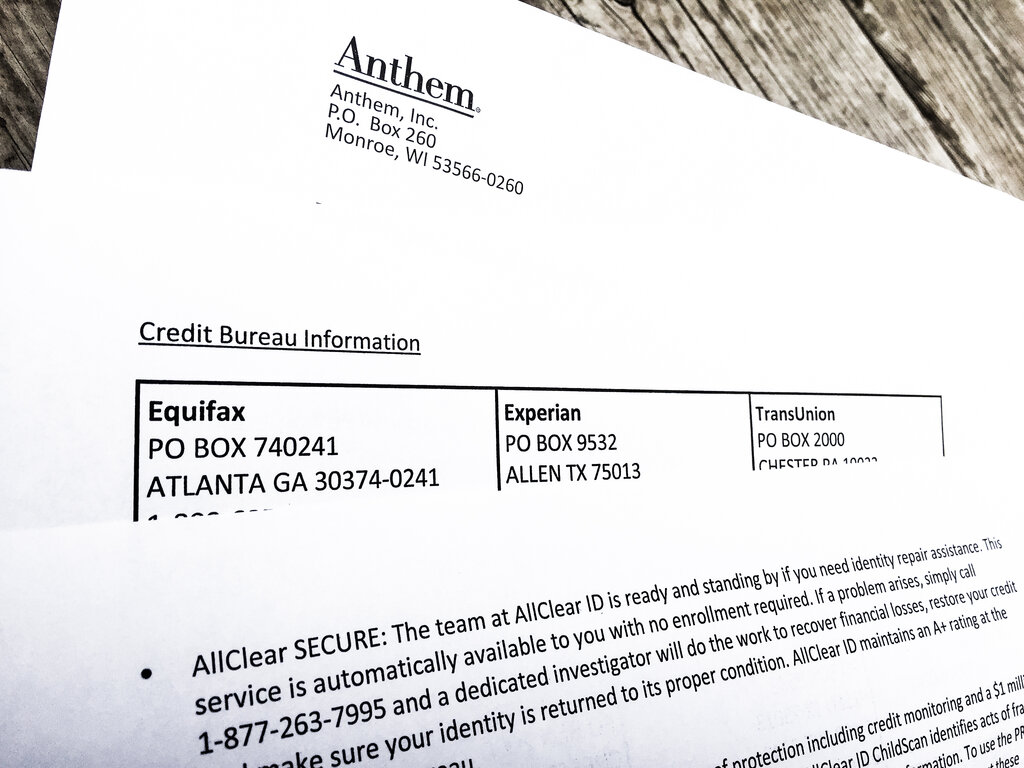
So, who keeps track of all this borrowing and repaying? In the United States, three major companies called credit bureaus do this job: Experian, Equifax, and TransUnion. These are private companies, not government agencies.
Lenders, like banks and credit card companies, report your account activity to these bureaus. This includes when you open an account, how much you owe, and whether you pay your bills on time. The credit bureaus then compile this data into your credit report.
Your Financial Report Card
Your credit report is like a detailed report card of your financial history. It provides a comprehensive look at how you've managed credit over time. It's what lenders review when they're deciding whether to approve you for a loan or credit card.
A typical credit report has four main sections:
- Personal Information: Your name, addresses, Social Security number, and employment history.
- Credit Accounts: A list of all your credit cards and loans. It details the lender, your payment history, account balance, and credit limit.
- Public Records: Information from public records, such as bankruptcies or liens.
- Inquiries: A list of who has recently requested a copy of your credit report. This happens when you apply for new credit.
From all this data, a credit score is calculated. This three-digit number, typically ranging from 300 to 850, is a snapshot of your credit health at a specific moment. A higher score indicates lower risk to lenders.
While the exact formulas are secret, scoring models like FICO and VantageScore primarily weigh these five factors:
- Payment History (35%): The most important factor. Making payments on time has the biggest positive impact.
- Amounts Owed (30%): How much you owe across all accounts, especially your credit utilization ratio—the amount of credit you're using compared to your total limit.
- Length of Credit History (15%): The age of your oldest account and the average age of all your accounts.
- Credit Mix (10%): Having a mix of credit types (revolving and installment) can be a positive.
- New Credit (10%): Opening several new accounts in a short time can be seen as a risk.
Understanding these basic building blocks is the first step toward building a strong financial future. With this knowledge, you can start to take control of your credit and make it work for you.