Credit Cards in Canada Explained
Introduction to Credit Cards
What Is a Credit Card?
A credit card is a tool that lets you borrow money from a financial institution to pay for goods and services. Instead of using cash or debit, where the money comes directly from your bank account, a credit card allows you to buy now and pay later.
Think of it as a flexible, pre-approved loan. Every time you make a purchase, you're borrowing against a set amount of money. At the end of a billing cycle, typically a month, you receive a statement listing all your purchases. You then have the option to pay the full amount back or pay a portion of it over time.
Essentially, a credit card provides a convenient way to make purchases without carrying cash, while also offering a short-term line of credit.
The Key Players
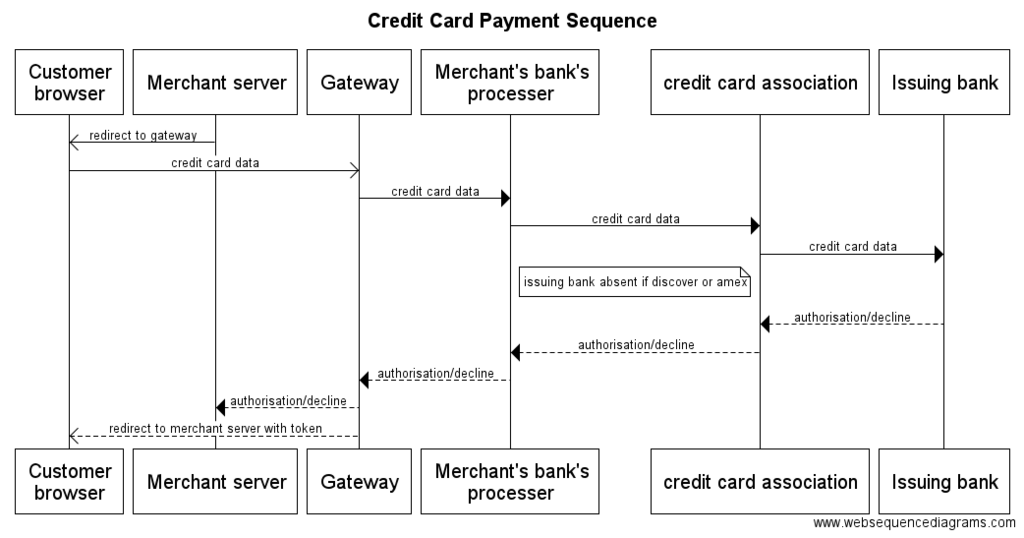
Every credit card transaction involves a few key parties working together behind the scenes. Understanding their roles helps clarify how the system works.
First, there's you, the cardholder. You own the card and are responsible for paying back the money you borrow.
The issuer is the financial institution, like a bank or credit union, that provides you with the credit card. They set your borrowing limit, send you bills, and process your payments. Examples include RBC, TD Bank, and Scotiabank.
Then there are the card networks, such as Visa, Mastercard, and American Express. These companies don't issue cards themselves but operate the networks that process payments between your bank and the merchant's bank.
Understanding the Terms
When you get a credit card, it comes with a set of terms you need to understand. These rules govern how you use the card and how you pay back the money.
Credit Limit
noun
The maximum amount of money the issuer will let you borrow. Your total balance, including purchases, fees, and interest, cannot exceed this amount.
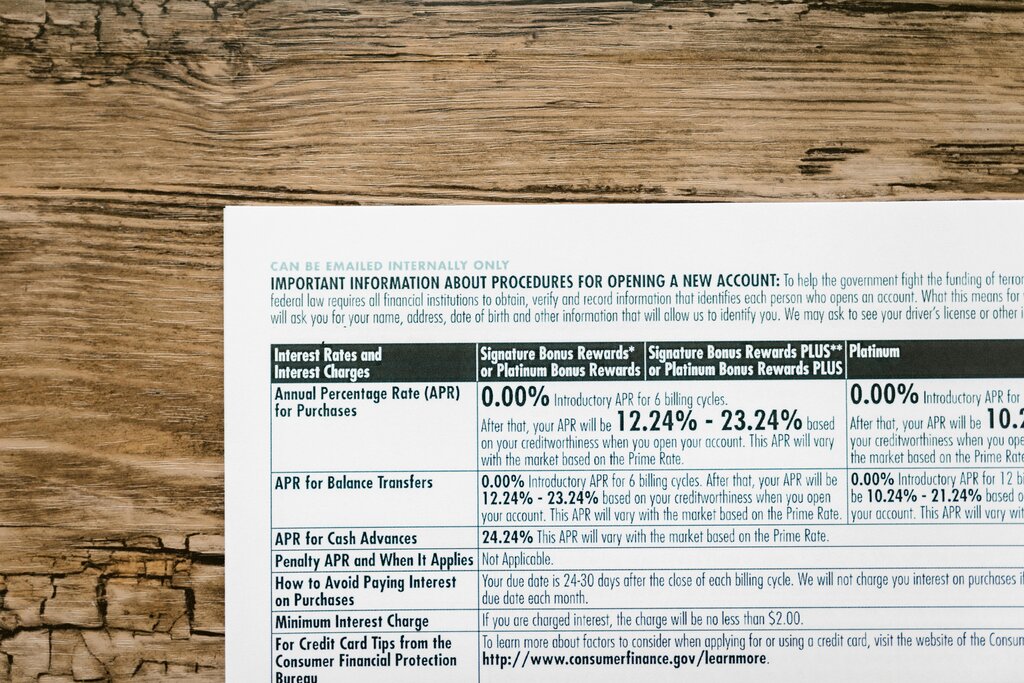
Another crucial term is the Annual Percentage Rate (APR), which is the interest charged on your balance if you don't pay it off in full by the due date. This is how credit card companies make money on the money they lend you.
Finally, your statement will show a minimum payment. This is the smallest amount you're required to pay each month to keep your account in good standing. Paying only the minimum is costly in the long run, as interest will be charged on the remaining balance, causing your debt to grow.
Benefits and Risks
Using a credit card comes with significant advantages. They offer convenience and are widely accepted, making them useful for everything from online shopping to booking travel. Many cards also come with perks like cash back, travel points, or purchase protection, which insures your items against theft or damage for a short period.
Credit cards can also be a valuable tool in an emergency when you don't have immediate cash on hand.
Responsible use is key. Paying your bill on time and in full is the best way to take advantage of the benefits without falling into debt.
However, the risks are just as real. The biggest drawback is the potential for debt. High interest rates can cause a small balance to balloon over time if you only make minimum payments. It's easy to overspend when you're not handing over physical cash, which can lead to a cycle of debt that is difficult to break.
There are also potential fees to watch out for, such as annual fees for holding the card, late payment fees, or fees for exceeding your credit limit.
What is the primary function of a credit card?
In the context of credit cards, which entity is the 'issuer'?
Now that you understand the fundamentals, you're better equipped to think about how credit cards might fit into your financial life.