Credit Card Travel Hacking Mastery
Understanding Credit Card Rewards
Your Spending, Reimagined
Every time you buy groceries, pay for gas, or stream a movie, you could be getting a little closer to your next vacation. That's the basic idea behind credit card rewards. Instead of just being a way to pay, your credit card can become a tool that earns you free flights, hotel stays, or cash back on your purchases.
Think of it as a thank-you from the credit card company for using their service. They partner with airlines, hotels, and retailers to offer you incentives. For you, it's a way to make your everyday spending work toward something you want, like a trip to the beach or a visit to family.
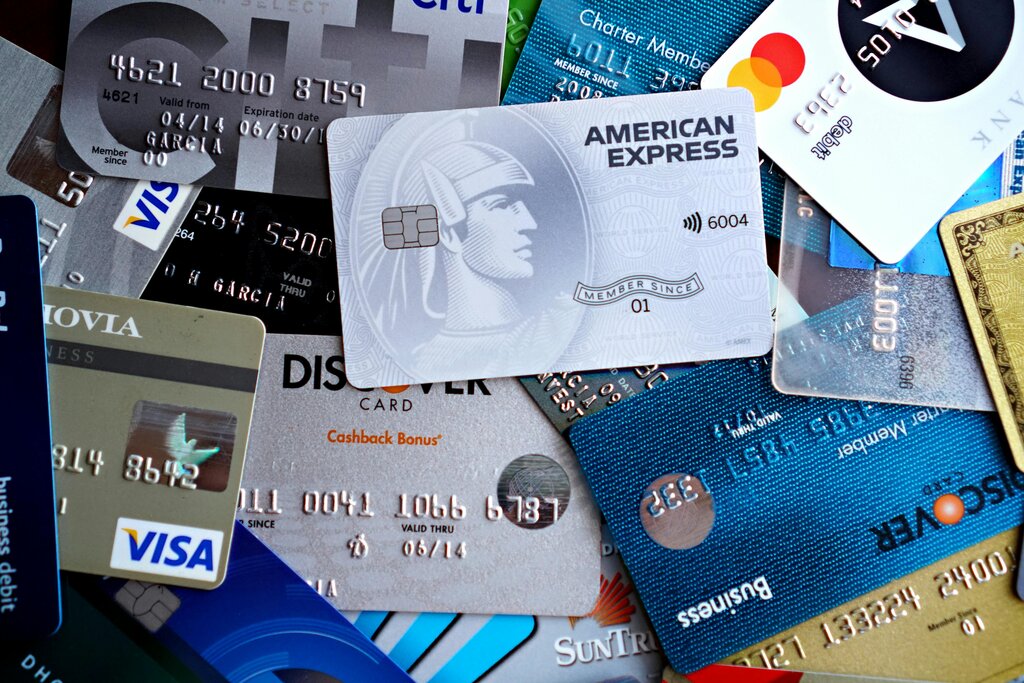
The Three Flavors of Rewards
Most credit card rewards fall into three main categories: points, miles, and cash back. While they all provide value, they work in slightly different ways.
| Reward Type | How It Works | Best For |
|---|---|---|
| Points | A flexible currency you can redeem for travel, merchandise, or gift cards. | Travelers who want multiple redemption options. |
| Miles | Usually tied to a specific airline's frequent flyer program. | People loyal to one airline or airline alliance. |
| Cash Back | You receive a percentage of your spending back as a statement credit or direct deposit. | Simplicity and flexibility; the money can be used for anything. |
Points are often the most versatile. You might redeem 50,000 points for a round-trip flight or a few nights in a hotel. Miles are more specific, typically used for booking flights with a particular airline. Cash back is the most straightforward—spend $100 and get $2 back, for example.
Earning and Redeeming
You don't earn rewards at the same rate on everything you buy. Credit cards offer higher rewards on certain spending categories. A card might give you 3 points for every dollar spent on dining but only 1 point per dollar on everything else. Another card could offer 5% cash back on groceries and gas.
The key is to pick a card that rewards you most for what you already spend money on. If you eat out a lot, a card with dining rewards makes sense. If you're a home cook, a grocery rewards card is a better fit.
This is where understanding a card's reward structure is crucial. The earning rate tells you how many points or miles you get per dollar. For example, you might see rates like:
- 5x points on travel booked through their portal
- 3x points on dining and streaming services
- 1x point on all other purchases
When it's time to use your rewards, you'll have redemption options. You could get a simple statement credit, which lowers your bill. But for travel, you often get more value by transferring your points to an airline or hotel partner. A point might be worth 1 cent as a statement credit but 2 cents or more when used for a first-class flight.
Transferring credit card points to airline and hotel loyalty programs can unlock up to 50% more value compared to redeeming them directly for statement credits or cash back.
The best strategy is the one that fits your life. By understanding these basics, you can choose a card that aligns with your spending and turns your everyday purchases into your next great trip.
Time to check what you've learned.
What is the primary purpose of credit card rewards from the consumer's perspective?
A card offers 5x points on groceries, 3x on dining, and 1x on all other purchases. This system of different earning rates for different types of purchases is known as the card's...